
Quick Read
- Queensland authorities are culling dingoes on K’gari Island after a 19-year-old tourist died, citing an “unacceptable public safety risk.”
- Preliminary autopsy results indicated the teenager’s death was consistent with drowning, with dingo bites occurring both pre and post-mortem.
- South Korea is facing a fourth African Swine Fever (ASF) outbreak this year, leading to the culling of over 21,000 pigs in Yeonggwang County.
- Previous ASF outbreaks in South Korea this month resulted in the culling of approximately 30,000 pigs, raising concerns about pork supply and prices ahead of the Lunar New Year.
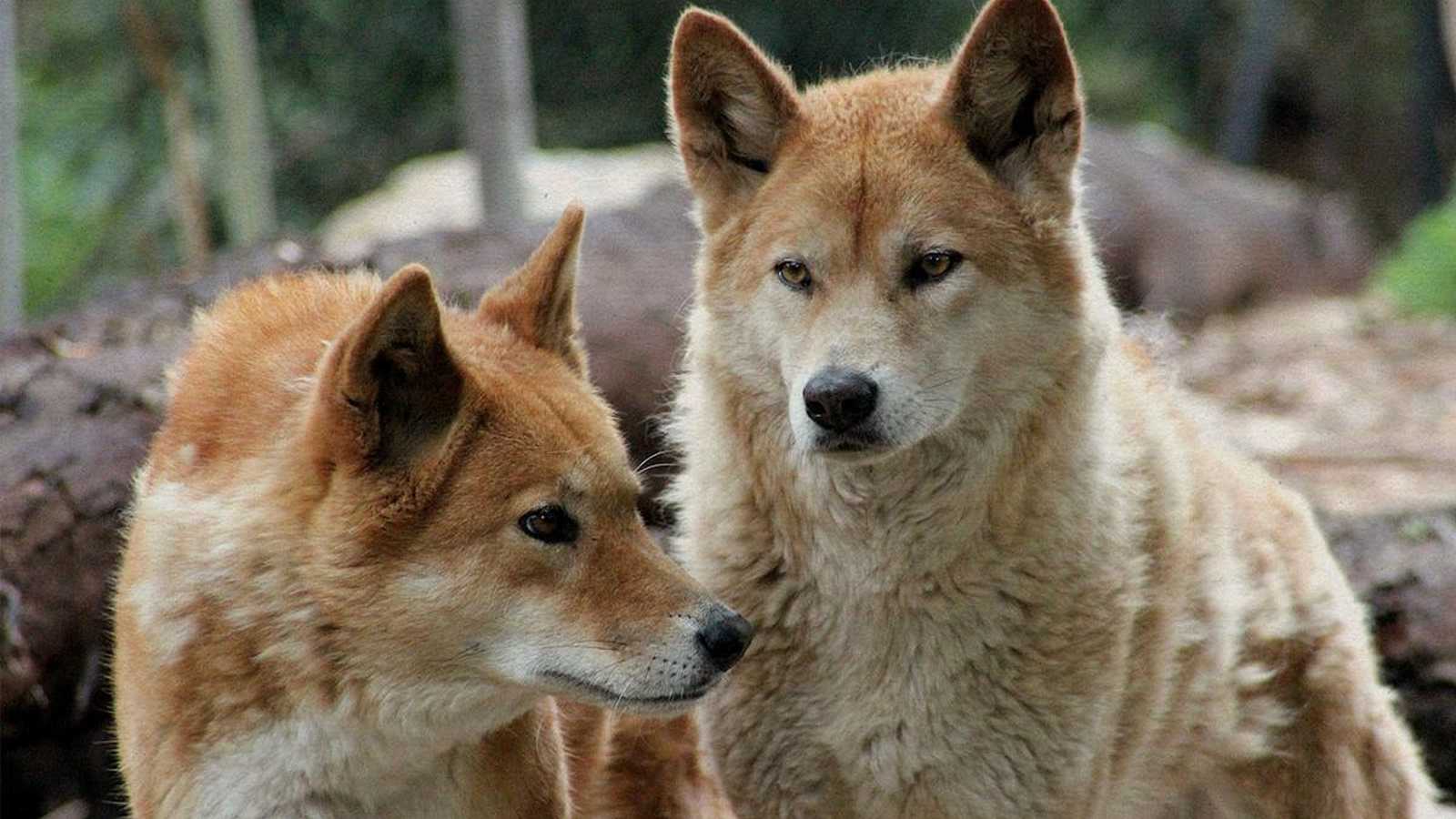
Authorities in Australia and South Korea are undertaking significant animal culling operations this week, addressing distinct but urgent public safety and economic threats. In Queensland, Australia, a pack of dingoes involved in the death of 19-year-old Canadian tourist Piper James on K’gari Island is being euthanized due to deemed public safety risks. Simultaneously, South Korea is battling a resurgence of African Swine Fever (ASF), leading to the culling of tens of thousands of pigs across several provinces, raising concerns about the nation’s pork supply ahead of the Lunar New Year holiday.
The K’gari Tragedy and Dingo Cull
The decision to cull dingoes on K’gari Island, also known as Fraser Island, follows the discovery of Piper James’s body on January 19, surrounded by a pack of 10 wild dingoes. James, from Campbell River, British Columbia, had been traveling Australia since October 2025 and secured a job on the World Heritage-listed island, renowned for its dingo population and attracting backpackers and tourists.
Preliminary autopsy results indicated that James’s death was consistent with drowning, with both ‘pre-mortem’ and extensive ‘post-mortem’ dingo bite marks present. While the bites were not immediately deemed the cause of death, Queensland’s Ministry of Environment and Tourism stated on Saturday that the dingo pack, which rangers had been monitoring for aggressive behavior, posed an ‘unacceptable public safety risk.’ Six members of the pack were reportedly culled by Sunday, January 25.
Queensland Environment and Tourism Minister Andrew Powell described the decision to euthanize the animals as difficult but necessary. “This tragedy has deeply affected Queenslanders and touched the hearts of people around the world,” Powell stated on Saturday. Piper James’s father, Todd James, confirmed on social media that Australian police had informed him of the planned cull, expressing it as ‘simply sad, heart-wrenching information’ while noting the final autopsy report was still pending.
K’gari, the world’s largest sand island, has long issued warnings to visitors about its dingo population, urging them to be ‘dingo safe.’ In the wake of James’s death, authorities have closed two beach camping sites until the end of February and increased ranger patrols across the island to enhance visitor safety. A GoFundMe campaign has been established to support a smoke ceremony for Piper James in Australia and assist with bringing her remains home.
African Swine Fever Resurgence in South Korea
Meanwhile, in South Korea, quarantine authorities are on high alert as African Swine Fever (ASF) continues to spread, marking the fourth confirmed outbreak this year. On January 26, the African Swine Fever Central Disaster and Safety Countermeasures Headquarters announced that ASF was confirmed at a pig farm in Yeonggwang County, South Jeolla Province, following a death report. All 21,000 pigs at the affected farm are slated for culling.
This latest incident adds to a series of outbreaks this month. On January 24, ASF was confirmed at a farm in Pocheon, Gyeonggi Province, leading to the culling of 7,945 pigs. Earlier, on January 17, 20,150 pigs were culled in Gangneung, Gangwon Province, and on January 23, an additional 2,600 pigs were culled in Anseong, Gyeonggi Province. Cumulatively, approximately 30,000 pigs had been culled from the first three confirmed cases alone, representing less than 0.3% of the nation’s total herd size of 11.9 million pigs.
The spread of ASF is particularly concerning as the Lunar New Year holiday approaches, a period of high demand for pork products. The retail price of samgyeopsal pork belly (100g) had already seen a 10.56% increase from the annual average, reaching 2,648 won as of January 20. Despite the rising prices and ongoing outbreaks, the South Korean government maintains that the overall impact of ASF on the nation’s pork supply remains limited for now, though monitoring continues.
Balancing Public Safety and Animal Welfare
These two distinct events highlight the complex challenges authorities face in managing animal populations, whether wild or domesticated, when they pose threats to human life, public health, or economic stability. In both cases, the decisions to cull animals are presented as difficult but necessary measures to mitigate immediate risks.
The dingo cull on K’gari underscores the ongoing tension between wildlife conservation and human safety in shared natural environments, especially in areas popular with tourists. For South Korea, the persistent ASF outbreaks represent a critical agricultural and economic challenge, requiring rapid and decisive action to contain the disease and protect the wider livestock industry and food security.
The simultaneous culling operations in Australia and South Korea, though for vastly different reasons, reflect a global reality where human encroachment and disease transmission necessitate difficult decisions regarding animal populations, often balancing ethical considerations with urgent societal needs.