


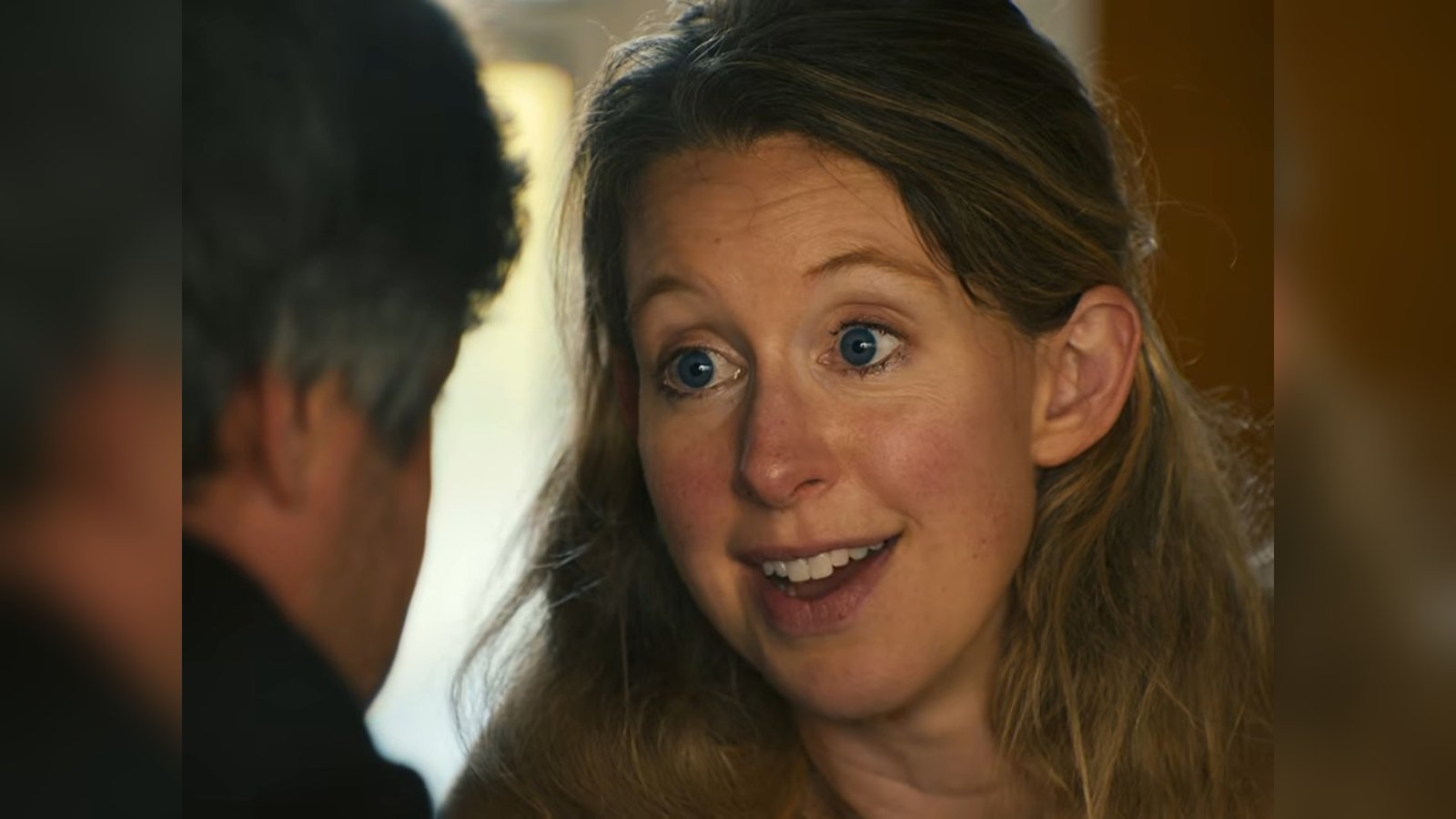
NEW YORK (Azat TV) – Sources close to the production of the hit A24 documentary “You Can See Everything” revealed that co-director Nathan Fielder appeared to develop a deep fondness for disgraced Theranos founder Elizabeth Holmes during their 34 days of filming together, according to a report published by Page Six on November 1, 2026. The dynamic between the filmmaker and his subject has drawn intense scrutiny as the documentary garners critical acclaim and Oscar buzz following its release.
Fielder and co-director Lance Oppenheim moved into a small rental home in Del Mar, California, that Holmes shared with her partner Billy Evans and their two young children for 34 days leading up to Holmes’s surrender to federal prison in May 2023. According to production sources, Fielder’s reported attachment to Holmes created a complex behind-the-scenes atmosphere that heavily influenced the film’s narrative framing.
Filming Dynamics and Billy Evans’s Frustration
The reported closeness between Fielder and Holmes contrasted sharply with a strained relationship between the filmmakers and Billy Evans. Sources speaking to Page Six noted that Evans expressed frustration with how he and his family were portrayed in the project. Evans, who was not granted edit approval, told the All-In Podcast that he had not seen the documentary before its release and feared it might be “the dumbest thing I have ever done.”
Fielder himself acknowledged the growing tension during the production. Following a screening in October 2026, Fielder addressed the unconventional documentary techniques used in the project, noting that Evans attempted to exert a level of control over the process that eventually led to a breakdown in communication between the filmmakers and the family, as reported by The Hollywood Reporter.
The Broader Context of the Theranos Saga
The documentary arrives years after a federal jury convicted Holmes in January 2022 on one count of conspiracy to commit wire fraud and three counts of wire fraud involving more than $140 million in investor funds related to Theranos. Holmes and former COO Ramesh “Sunny” Balwani had falsely claimed that the company’s proprietary Edison machine could run comprehensive medical tests using a few drops of blood. Holmes was subsequently sentenced to more than 10 years in prison, with her release currently anticipated around February 2030, alongside pending transfers to a halfway house or home confinement.
During the 34-day filming window prior to her surrender, Holmes was also undergoing IVF treatment with the goal of expanding her family after completing her sentence. The intimate nature of the documentary captures these private milestones alongside public controversies, testing the boundaries of traditional investigative journalism and participant access.
Stakes and Industry Reception
The documentary has sparked wide-ranging industry debate regarding the ethics of immersive documentary filmmaking and the psychological boundaries between subjects and directors. While critics praise the film’s cinematic triumph and unconventional access, legal and personal fallout for the subjects underscores the risks involved when production crews integrate deeply into the daily lives of individuals facing acute legal crises. As Fielder and Oppenheim navigate the fallout of communication breakdowns with Evans, the film remains a landmark study in modern non-fiction storytelling.