


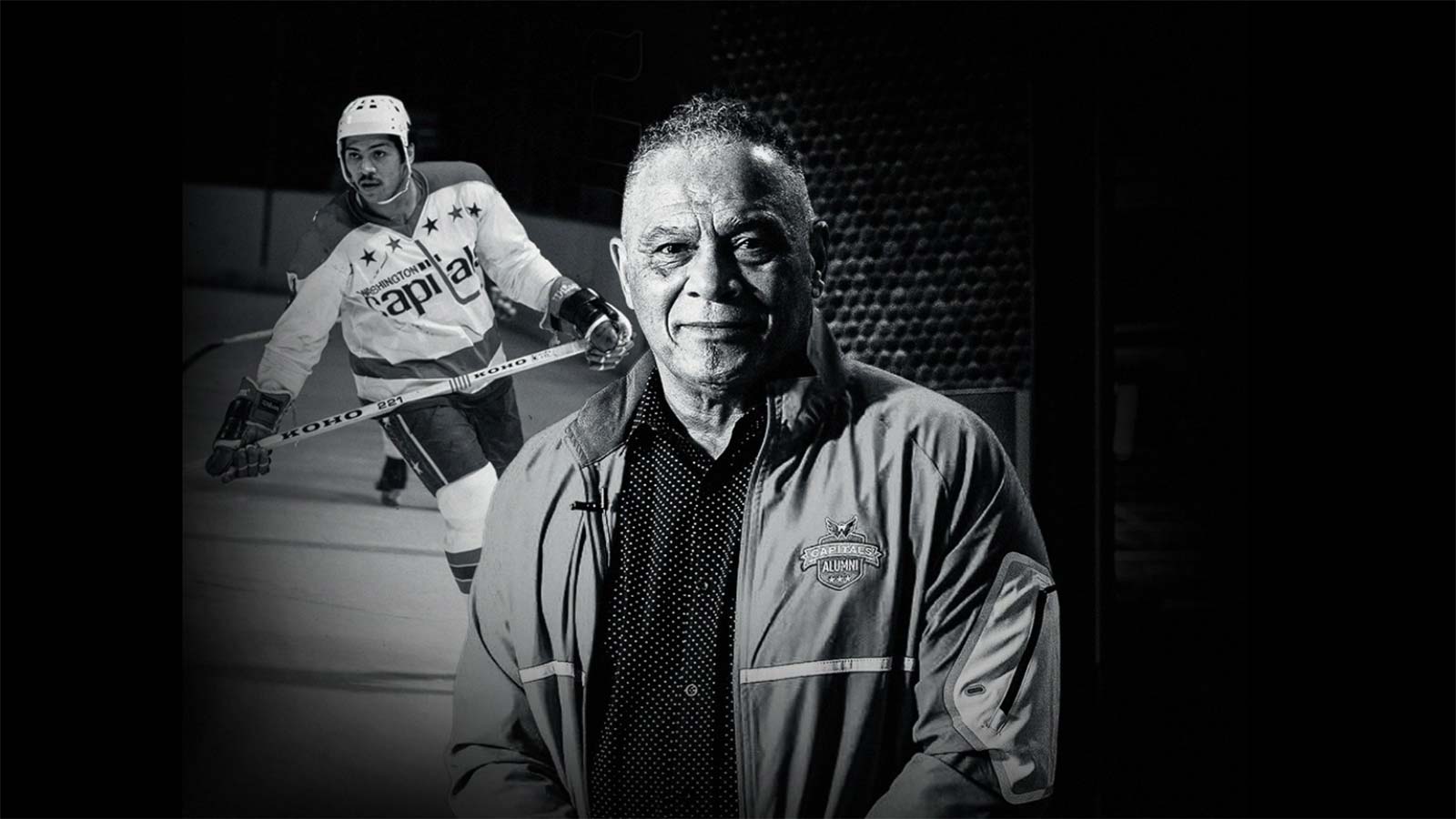
The hockey community is mourning the loss of Bill Riley, a pioneering forward who served as the third Black player in NHL history and a defining presence during the formative years of the Washington Capitals. Riley passed away at the age of 75, with his death confirmed over the weekend of March 29, 2026.
A Legacy of Resilience in the NHL
Born in Amherst, Nova Scotia, Riley broke into the NHL during the Capitals’ inaugural 1974-75 season. His path to the league was paved with significant challenges; he joined the roster 16 years after Willie O’Ree became the first Black player in the NHL. Riley’s career spanned 139 games across five seasons, including 125 games with the Washington Capitals and 14 with the Winnipeg Jets. Throughout his time in the league, he tallied 61 points and was known for a physical, gritty style of play that earned him 320 penalty minutes.
Riley was never hesitant to address the adversity he faced, particularly during his time in the minor leagues. In a 2016 interview, he spoke candidly about the racial prejudice he encountered while playing in the United States, describing instances where he had to navigate ignorance and hostility that were entirely foreign to his upbringing in the Canadian Maritimes. His ability to endure these environments while maintaining his professionalism remains a cornerstone of his legacy.
Influence on the Washington Capitals and Beyond
For the Washington Capitals organization, Riley was more than just an early roster member; he was a foundational figure who helped establish the team’s identity in its earliest years. Long before Alex Ovechkin became synonymous with the number 8, Riley wore the jersey with pride. Today, he is one of 11 Black players honored with a permanent display at Capital One Arena, a testament to his enduring impact on the franchise.
Beyond his NHL career, Riley transitioned into a successful tenure as a coach and general manager. He left an indelible mark on the Quebec Maritimes Junior Hockey League, serving in roles ranging from head coach to director of player personnel for various teams, including the Moncton Wildcats and the Amherst Ramblers. His induction into the Nova Scotia Sport Hall of Fame in 1998 solidified his status as a folk hero in his home province.
The passing of Bill Riley marks the loss of one of the few remaining links to the earliest era of racial integration in professional hockey, underscoring the critical importance of preserving the histories of those who navigated the sport’s most challenging barriers to ensure its future growth.