


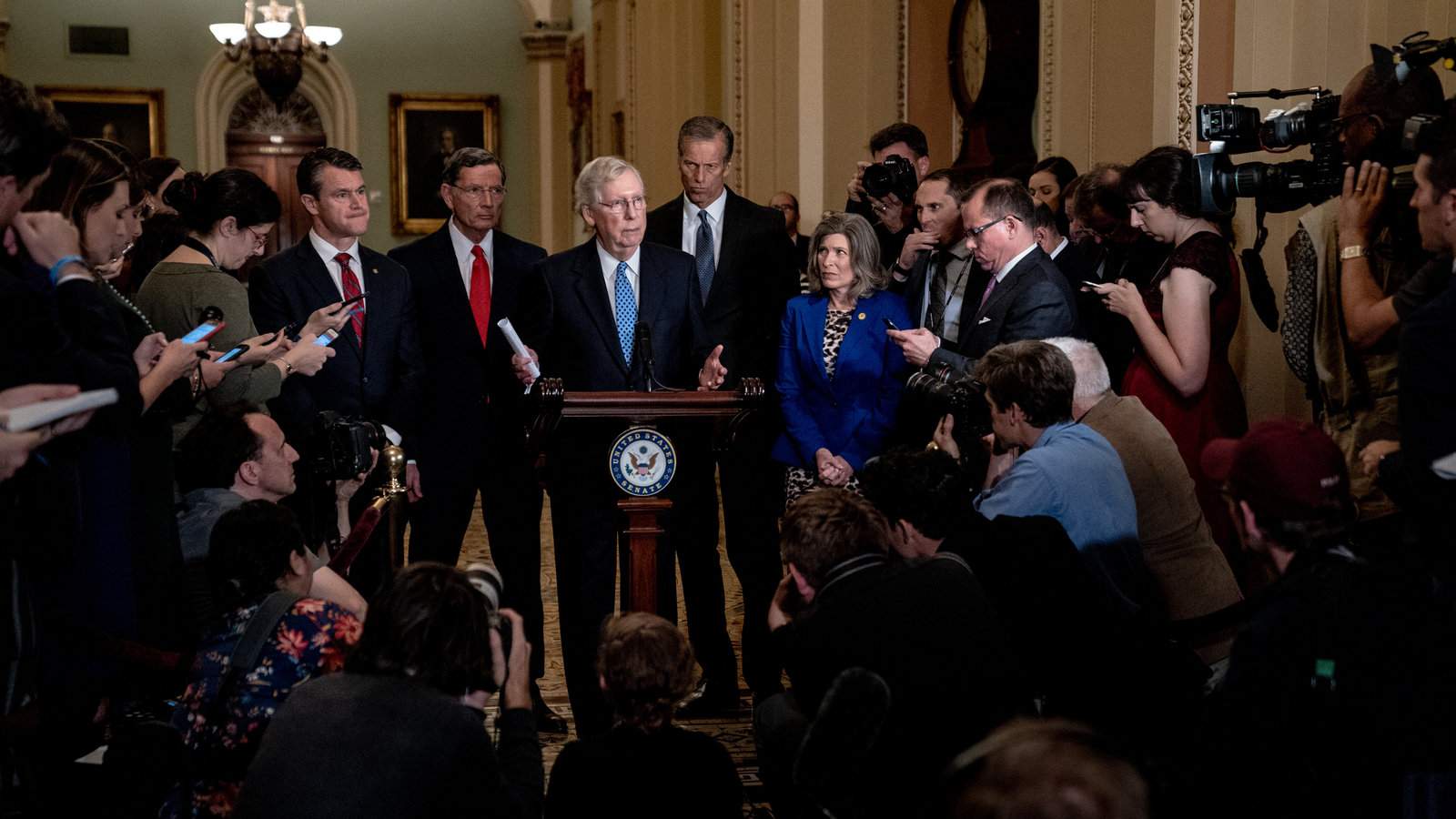
Legislative Pushback
Republican lawmakers in both the Senate and the House of Representatives have recently demonstrated a notable willingness to break with President Donald Trump on key legislative priorities. This shift, observed throughout the past week, has manifested in the stalling of a $1.8 billion anti-weaponization fund, the removal of controversial White House ballroom funding from a major spending package, and a bipartisan vote on a war powers resolution regarding Iran.
Shifting Political Stakes
The most concrete evidence of this friction emerged when the acting attorney general confirmed that the proposed $1.8 billion fund would not move forward due to legislative opposition. Simultaneously, internal Republican resistance forced the exclusion of funding for a White House ballroom from an appropriations bill. These actions suggest that while the GOP has not entered a state of formal rebellion, the President’s influence over legislative outcomes is no longer automatic.
The Role of Primaries and Approval Ratings
Political analysts attribute this newfound defiance to a combination of factors, including the electoral vulnerability of some lawmakers and declining approval ratings. Legislators who have lost primary support or face difficult re-election paths appear more emboldened to prioritize their own legislative agendas over the White House’s directives. With four House Republicans joining Democrats to pass a war powers resolution on Iran, the trend highlights a growing willingness to cross party lines when the President’s position fails to maintain internal consensus.