


A New Era for Late-Night Television
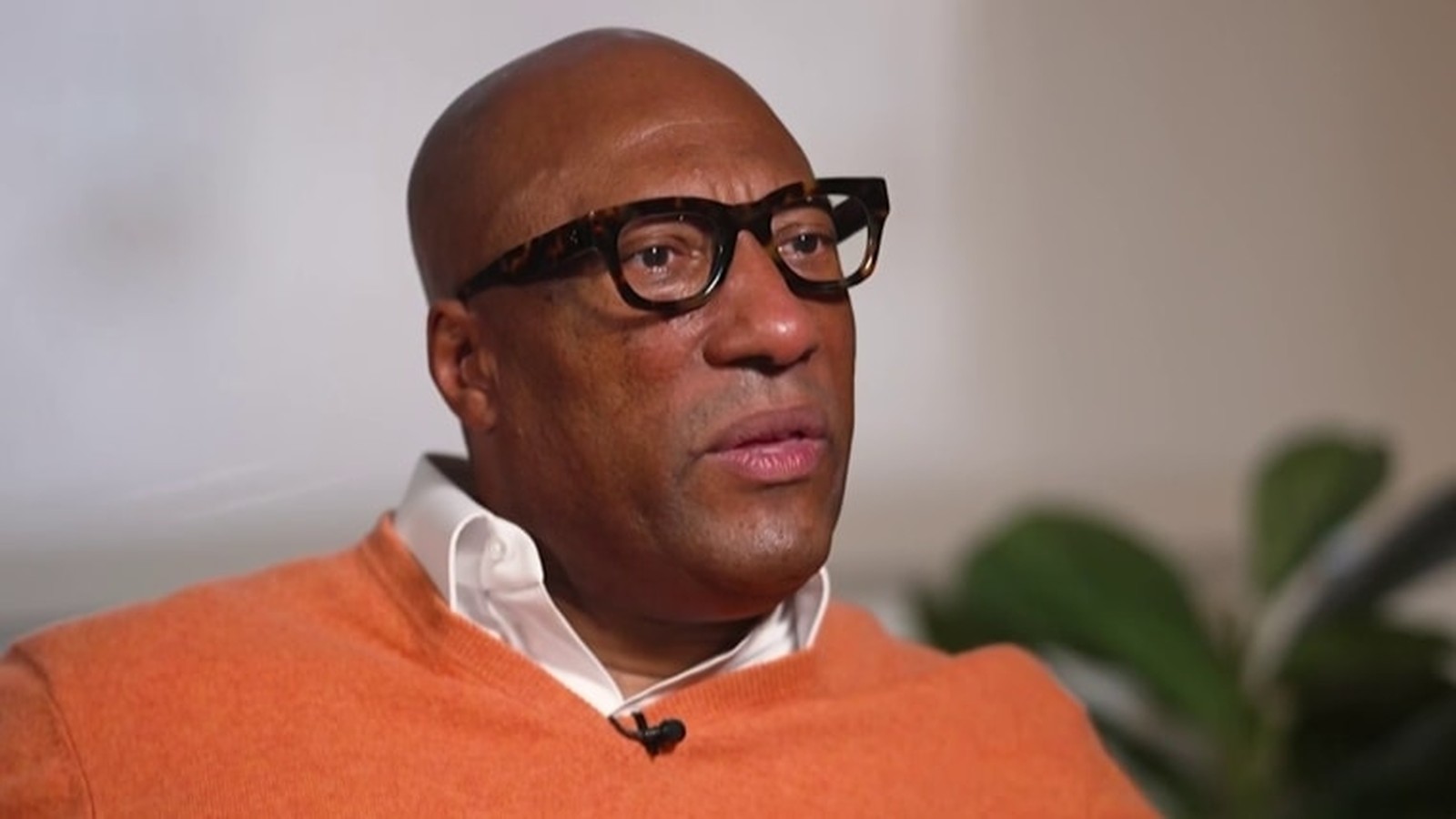
In a move that underscores the shifting economics of broadcast television, media mogul Byron Allen has officially assumed the 11:35 p.m. time slot on CBS following the conclusion of Stephen Colbert’s long-running program. The transition, which began immediately following Colbert’s final broadcast, represents more than a mere change in talent; it signifies a fundamental restructuring of the late-night landscape, moving away from high-production, politically-driven talk shows toward a lean, lease-based model designed to mitigate financial losses.
The Financial Rationale
CBS’s decision to cancel The Late Show was largely driven by the erosion of traditional viewing habits in the streaming era. According to industry data, The Late Show experienced a 20% decline in the advertiser-coveted 18-to-49 demographic since 2022. Furthermore, overall ad spending on late-night television plummeted from $519.7 million in 2017 to $209 million by 2025. By leasing the time slot to Allen Media Group, CBS effectively eliminates the overhead associated with maintaining a large writing staff, guest booking teams, and a permanent host, while turning a loss-making block into a revenue-generating asset.
The ‘Comics Unleashed’ Model
Unlike the traditional talk show format that relies on celebrity interviews and topical political monologues, Allen’s Comics Unleashed utilizes an evergreen, panel-style stand-up format. By avoiding political commentary, the show remains relevant long after its initial air date, allowing for cost-effective syndication and reruns. Allen, who has been operating this format for two decades, explicitly frames the show as a source of universal, non-dated humor. “No political humor,” Allen stated in a recent interview, emphasizing that the content focuses on universal themes like family and relationships to ensure long-term viability.
Broader Media Ambitions
Allen’s entry into the prime late-night slot is part of a broader strategy of aggressive media expansion. Having recently acquired BuzzFeed and HuffPost, and currently holding a significant stake in Starz, Allen is positioning himself as a key player in the consolidation of independent media. His business model—where he acts as the infrastructure, producing the content, selling the ads, and splitting the revenue with the network—challenges the legacy broadcast model that has defined the industry for decades.
The transition to Byron Allen’s programming at 11:35 p.m. is a pragmatic response to the structural decline of traditional broadcast television. By stripping away the high-cost, high-stakes political discourse that characterized the previous era of late-night, Allen is testing a hypothesis that mass-market, apolitical entertainment can stabilize a network’s bottom line. While critics may argue that the loss of political satire diminishes the cultural impact of late-night TV, the move reflects a cold-eyed industry reality: networks are increasingly prioritizing financial sustainability over cultural influence in an era where digital fragmentation has fundamentally fractured the mass-audience model.