


The Strategic Mandate for Consolidation
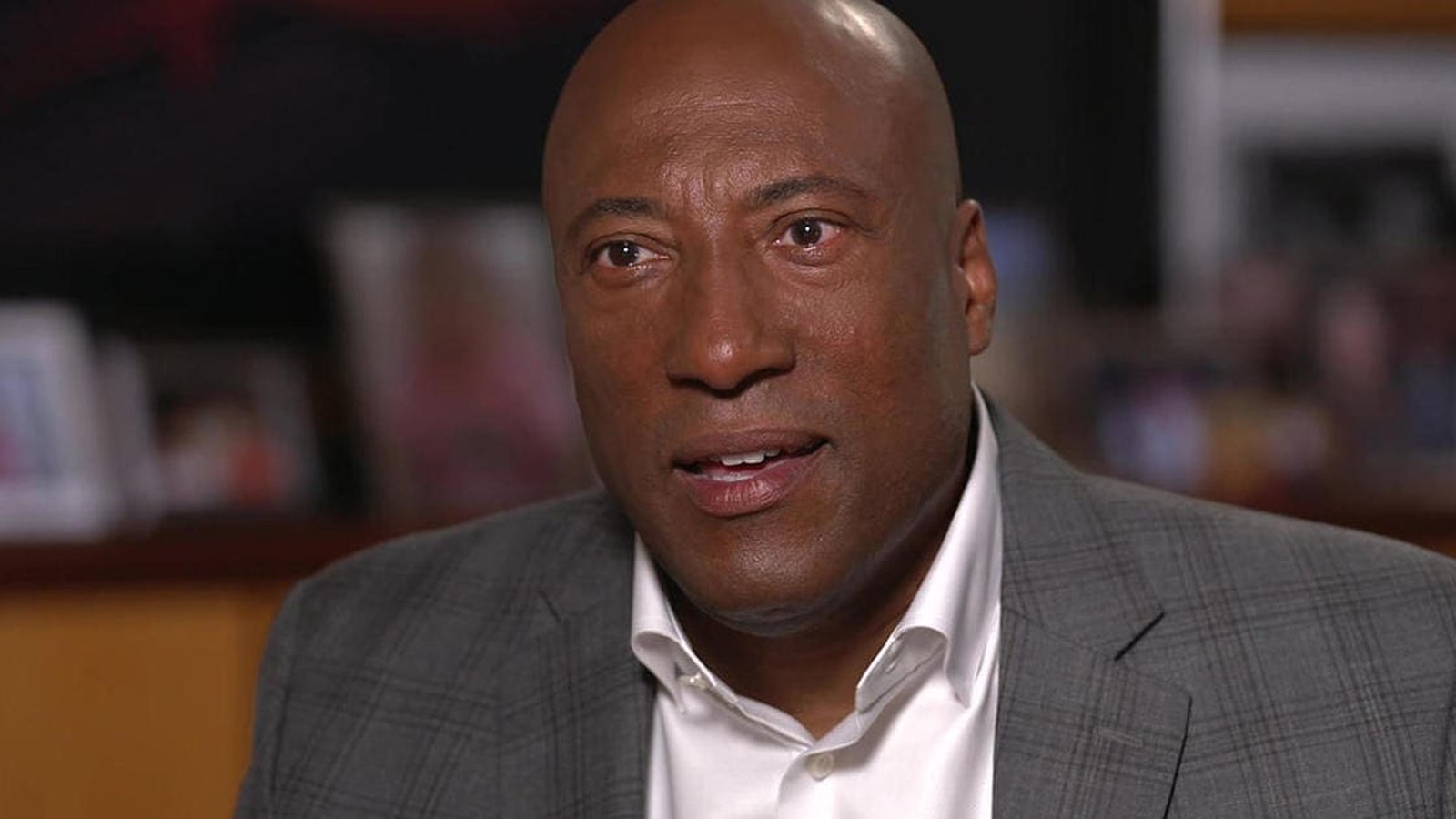
The media landscape is bracing for a potential seismic shift as Byron Allen, the founder of Allen Media Group, has formally signaled his intent to pursue a hostile takeover of the premium cable network Starz. This move, confirmed during a high-profile appearance on ‘The Breakfast Club’, underscores Allen’s aggressive ambition to consolidate mid-tier media assets following his recent acquisition of BuzzFeed. For Starz, currently navigating the complex transition from traditional linear cable to a digital-first streaming model, this pursuit represents a direct challenge to the board’s current operational strategy.
Financial Feasibility and Corporate Resistance
At the heart of the proposed acquisition lies the question of valuation and synergy. Allen Media Group has historically relied on a strategy of acquiring undervalued assets and integrating them into a broader distribution ecosystem. However, Starz presents a unique challenge. Unlike smaller digital properties, Starz carries the weight of a massive content library and a subscriber base that is increasingly sensitive to price hikes and platform fragmentation. Analysts suggest that Allen’s bid will face significant resistance from the Starz board, which remains focused on long-term value creation through its existing ‘Power’ franchise and its international licensing deals.
Content Strategy at a Crossroads
The potential acquisition raises critical questions regarding the future of Starz’s creative identity. The network has carved a specific niche with high-impact, diverse storytelling—a legacy notably bolstered by showrunners like Courtney A. Kemp, whose recent work, such as the Netflix hit Nemesis, demonstrates the enduring appeal of the ‘Starz-style’ crime drama. Should Allen gain control, the integration of Starz into his existing portfolio would likely demand a rigorous rationalization of content spend. The industry is watching to see if Allen intends to maintain the network’s premium prestige or if he will pivot toward a more volume-driven, cost-efficient content model designed to maximize ad-supported streaming revenue.
The trajectory of this takeover bid will likely serve as a litmus test for the viability of independent premium networks in an era of massive platform consolidation. By forcing the issue into the public discourse, Allen is not merely seeking a business transaction; he is positioning himself as a central architect in the inevitable restructuring of the pay-TV landscape. Whether the Starz board views this as a predatory move or a necessary catalyst for growth, the outcome will fundamentally dictate the future of original content production at one of the industry’s most recognizable premium brands.