


The Rise of the Micro-Bakery
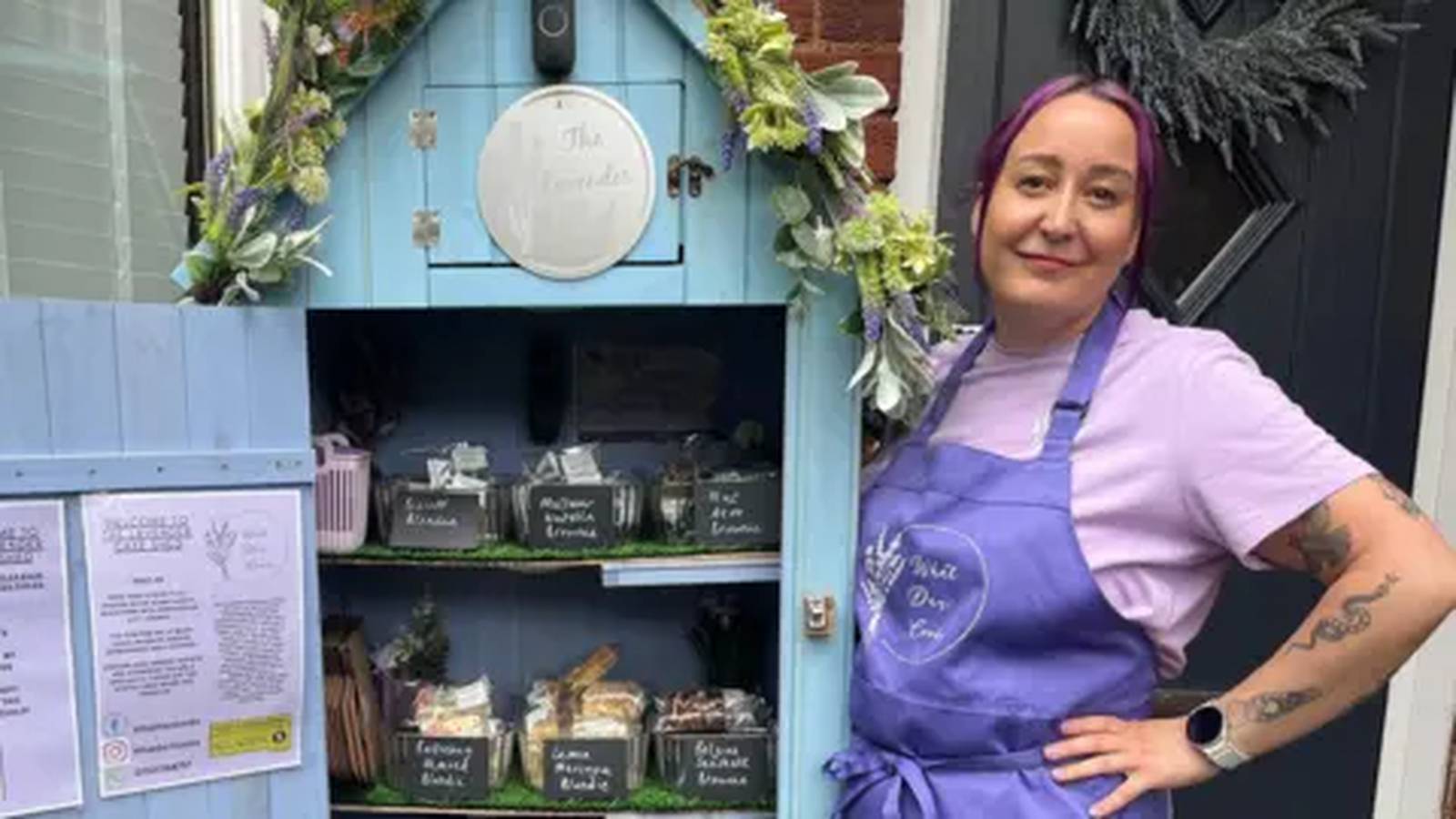
The ‘cake shed’ movement, where residents sell home-baked goods via honesty boxes in front gardens, has transformed from a niche hobby into a burgeoning micro-economy. According to recent reports, some operators are generating up to £1,000 per week, turning what began as a pandemic-era side hustle into a full-time livelihood. For many, such as Danielle Edgington, who transitioned from professional catering to running The Lavender Cake Shed in Birmingham, these structures provide a vital, flexible business model.
However, this growth has drawn the attention of local authorities. Under the Local Government (Miscellaneous Provisions) Act, street trading is strictly regulated. Councils are now debating whether these private property stalls should be classified as street trading, a shift that could necessitate licenses costing between £1,000 and £3,000 annually.
Regulatory Tension
In Nottinghamshire, the situation reached a breaking point earlier this month when Bassetlaw District Council issued notices to eight shed owners, demanding they acquire street trading licenses or face fines. The backlash was immediate. Community members argued that these sheds provide a essential social ritual and support local entrepreneurship. Following public outcry, the council has paused enforcement to conduct a policy review.
The central tension lies in the definition of ‘street trading.’ While proponents argue these are private property extensions of home businesses—often already registered for food hygiene—councils are concerned about setting precedents for unregulated commercial activity. For many small-scale operators, the cost of a license would render their business model financially unviable. As councils weigh the economic benefits of community engagement against the rigidity of municipal law, the future of the cake shed remains precarious.