


The Policy Conflict
California voters will decide in November 2026 whether to enact a one-time 5% tax on the assets of the state’s wealthiest residents. The ballot measure, spearheaded by SEIU-United Healthcare Workers West (SEIU-UHW), aims to generate $100 billion to stabilize a healthcare system currently facing significant funding gaps. However, the proposal has ignited a fierce debate between labor advocates and an institutional coalition, including Governor Gavin Newsom and the California Medical Association (CMA).
Arguments for Emergency Intervention
Dave Regan, President of SEIU-UHW, characterizes the tax as an urgent necessity. According to Regan, the measure is designed to address a systemic collapse threatening 3.5 million residents with the loss of healthcare coverage. Proponents argue that the tax, which targets approximately 250 billionaires who were California residents as of January 1, 2023, is a targeted and manageable intervention. Regan rejects claims of capital flight, citing the experience in Massachusetts, where a similar tax on high-net-worth individuals did not result in a mass exodus of the wealthy.
Institutional Opposition
Conversely, the California Medical Association (CMA) has emerged as a primary critic. CEO Dustin Corcoran argues that while the union identified a genuine crisis, the proposed tax is the wrong mechanism for resolution. The CMA emphasizes that the state requires “ongoing, durable, and sustainable” revenue rather than a one-time influx that could exacerbate fiscal volatility. Corcoran contends that the measure was developed in isolation, without proper stress-testing against the state’s long-term budgetary needs, and warns that it could ultimately prove detrimental to the healthcare infrastructure it intends to save.
The Federal vs. State Tension
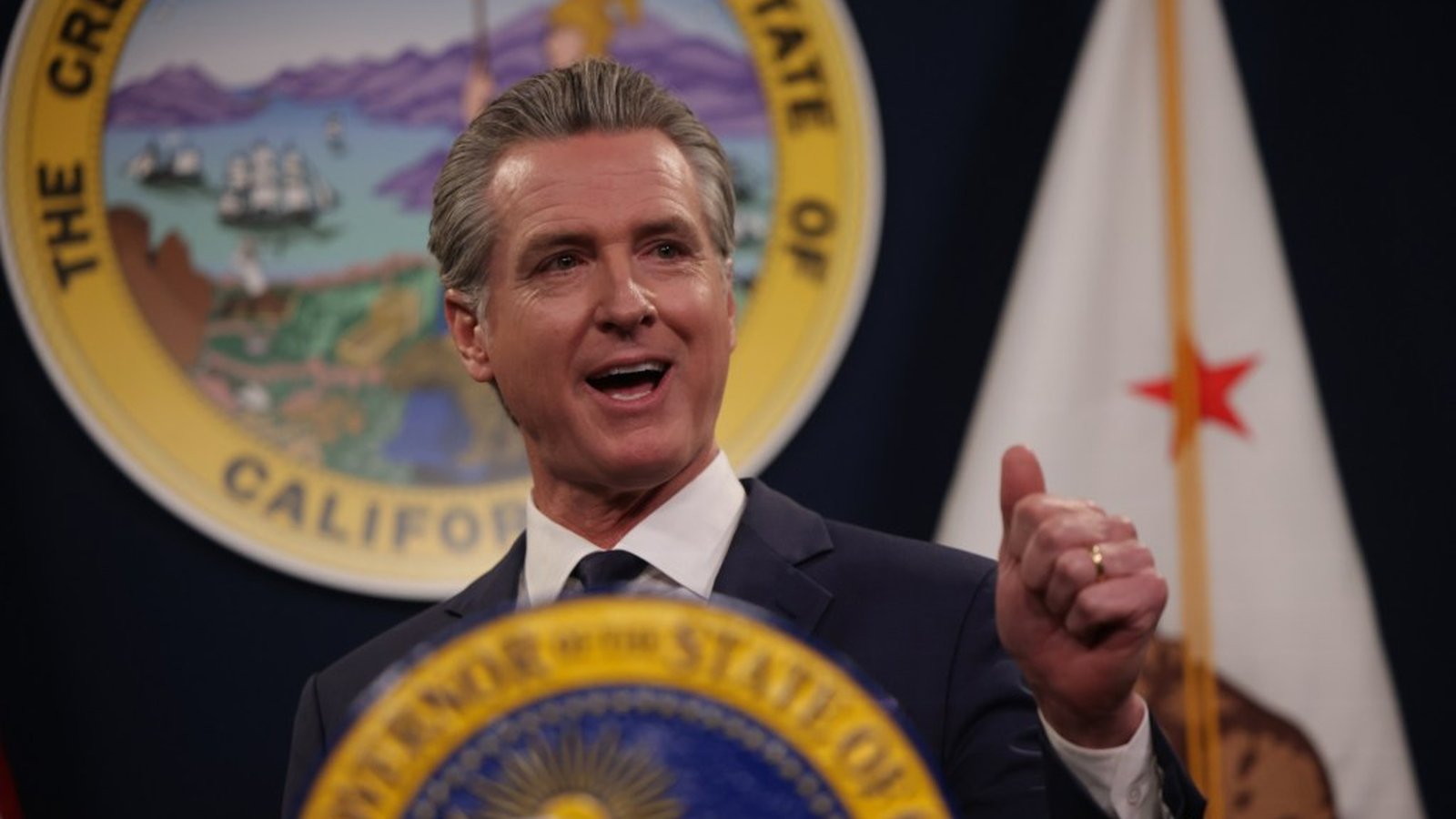
Governor Gavin Newsom, who opposes the measure, has advocated for a national-level wealth tax, arguing that fiscal policy should not be decided on a state-by-state basis. This stance has drawn criticism from labor leaders like Regan, who argue that waiting for federal action is unrealistic given the current legislative climate in Washington D.C. The tension underscores a broader strategic divide: whether to pursue immediate, localized emergency funding or to push for systemic, federal-level tax reforms that provide long-term stability.