


Proactive Mobilization Against Historic Weather Risks
California Governor Gavin Newsom proclaimed a statewide state of emergency on September 21, 2026, to accelerate preparations for an intensifying El Niño weather pattern. With federal forecasters indicating a greater than 90% chance of a very strong event and a 75% probability of reaching historic strength, the state is moving to bypass bureaucratic hurdles in order to protect critical infrastructure and communities, according to the Office of the Governor.
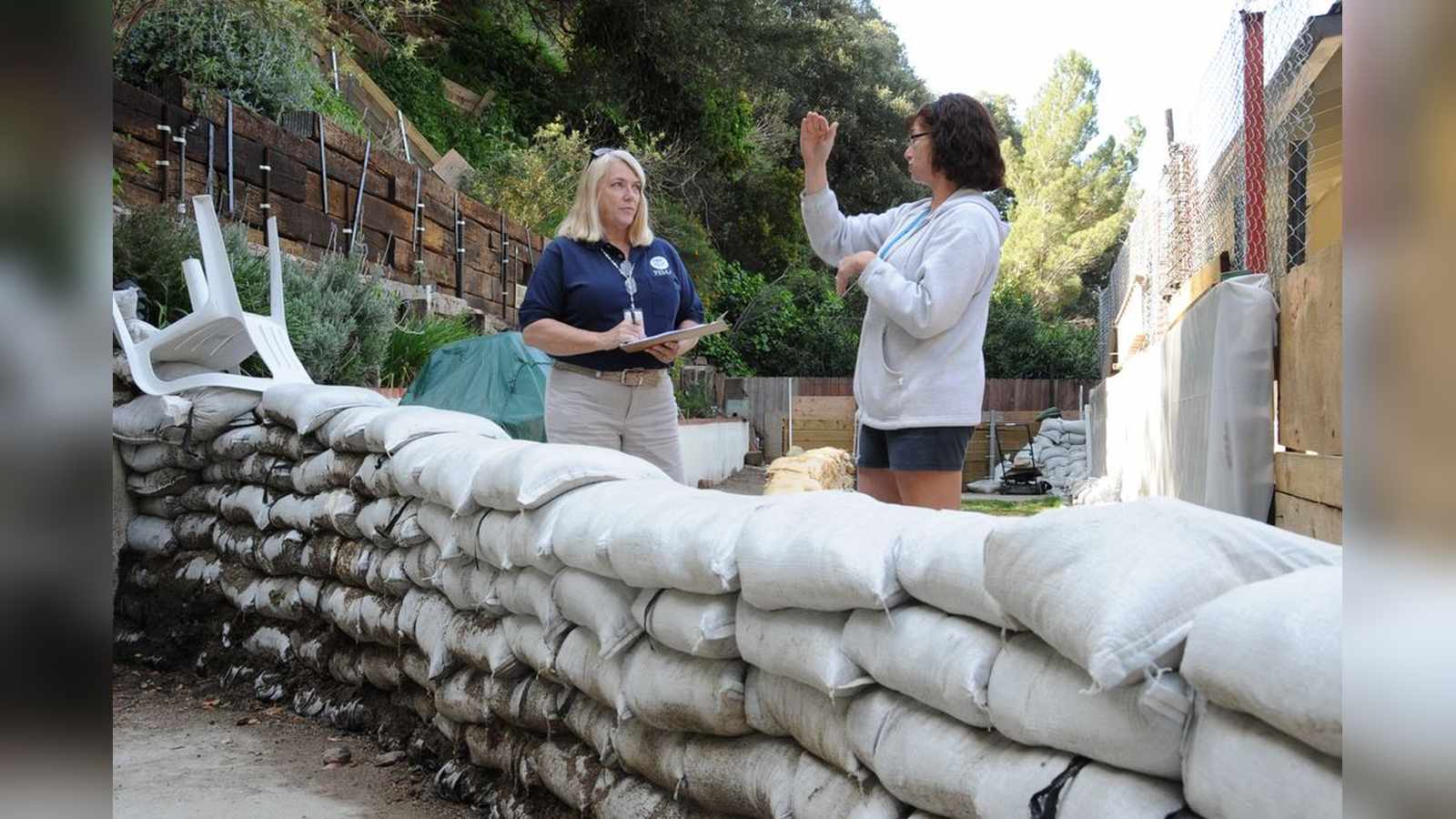
The emergency proclamation functions as a force multiplier for state agencies, authorizing the rapid procurement of flood-fighting materials, including sandbags and pumps, and streamlining permitting processes for flood-protection projects. By acting now, the state aims to pre-position resources in high-risk zones before severe winter weather arrives. The California National Guard has been placed on alert to assist with potential search-and-rescue, engineering, and logistics missions, while Caltrans is tasked with staging equipment for snow removal and road-closure management along vulnerable mountain and coastal corridors.
The Mechanics of a ‘Super’ El Niño
El Niño is defined by the periodic warming of sea surface temperatures in the eastern Pacific. The current event, which has been developing since June 2026, is tracking faster than any previous event on record. According to Carbon Brief, sea surface temperatures in the tropical Pacific have already equaled the daily records set in 2015, a landmark year for the phenomenon. Scientific research published in Science indicates that climate change is supercharging these events, making them approximately 36% stronger than they were in the pre-industrial era.
This atmospheric energy shift creates significant risks for California, including repeated rounds of heavy rain, coastal flooding, landslides, and debris flows—particularly in areas previously scarred by wildfires. The state’s strategy focuses on integrating these climate realities into active disaster management, shifting from a reactive stance to a preemptive, resource-heavy deployment.
Institutional Preparedness and Public Safety
The Cal OES (Office of Emergency Services) is now coordinating with local partners to ensure that emergency alerts and evacuation plans are accessible and multilingual. Director Caroline Thomas Jacobs emphasized that the state is not waiting for storms to impact communities, but is instead conducting advance planning to identify needs before conditions deteriorate. This includes specific focus on infrastructure resilience, with natural resources agencies working to clear drainage systems and reinforce hillsides prone to landslides.
Beyond the new emergency measures, the Governor also signed proclamations terminating 34 outdated states of emergency from 2023 and 2024, effectively clearing the administrative deck to focus state resources on the upcoming winter. New emergency declarations were simultaneously issued for specific localized damage from prior storms in Glenn, Humboldt, Kern, Mendocino, and Santa Barbara counties, alongside a sewage spill response in Lake County.
As the state prepares, officials advise residents to take individual responsibility by verifying their flood risk, clearing personal property drains, and maintaining an emergency evacuation kit. The state-level intervention is intended to provide the structural support that local governments may lack, ensuring that when the first major storms hit, the response is immediate and coordinated.