


National Pride and the State of the Federation
As Canadians across the country mark Canada Day on July 1, 2026, national sentiment presents a study in contrasts. According to a new report from Leger, 84% of Canadians express pride in their nationality—a figure that has rebounded since 2024. However, this broad sense of belonging masks significant fractures regarding how the federation functions and whether it treats all regions with equity.
Leger’s polling data, conducted between June 19 and June 22, 2026, reveals that while 51% of respondents describe themselves as “very proud,” the intensity of that sentiment is uneven. Younger Canadians (ages 18–34) report lower levels of pride at 75%, compared to 90% among those over 55. Furthermore, political affiliation has emerged as a key filter: Liberal voters are notably more likely to report an increase in pride over recent years, whereas nearly half of Conservative voters report a decline.
The Confederation Challenge
The core of the national debate centers on the structure of Confederation itself. Only 23% of Canadians believe the current system treats all regions fairly. This sentiment is most acute in Western Canada, particularly in Alberta and British Columbia, where residents frequently cite structural imbalances. In Quebec, concerns remain centered on the province’s specific place within the national framework. Despite these grievances, 74% of Canadians remain confident that the country will remain intact for the next 50 years.
Local Celebrations and Logistics
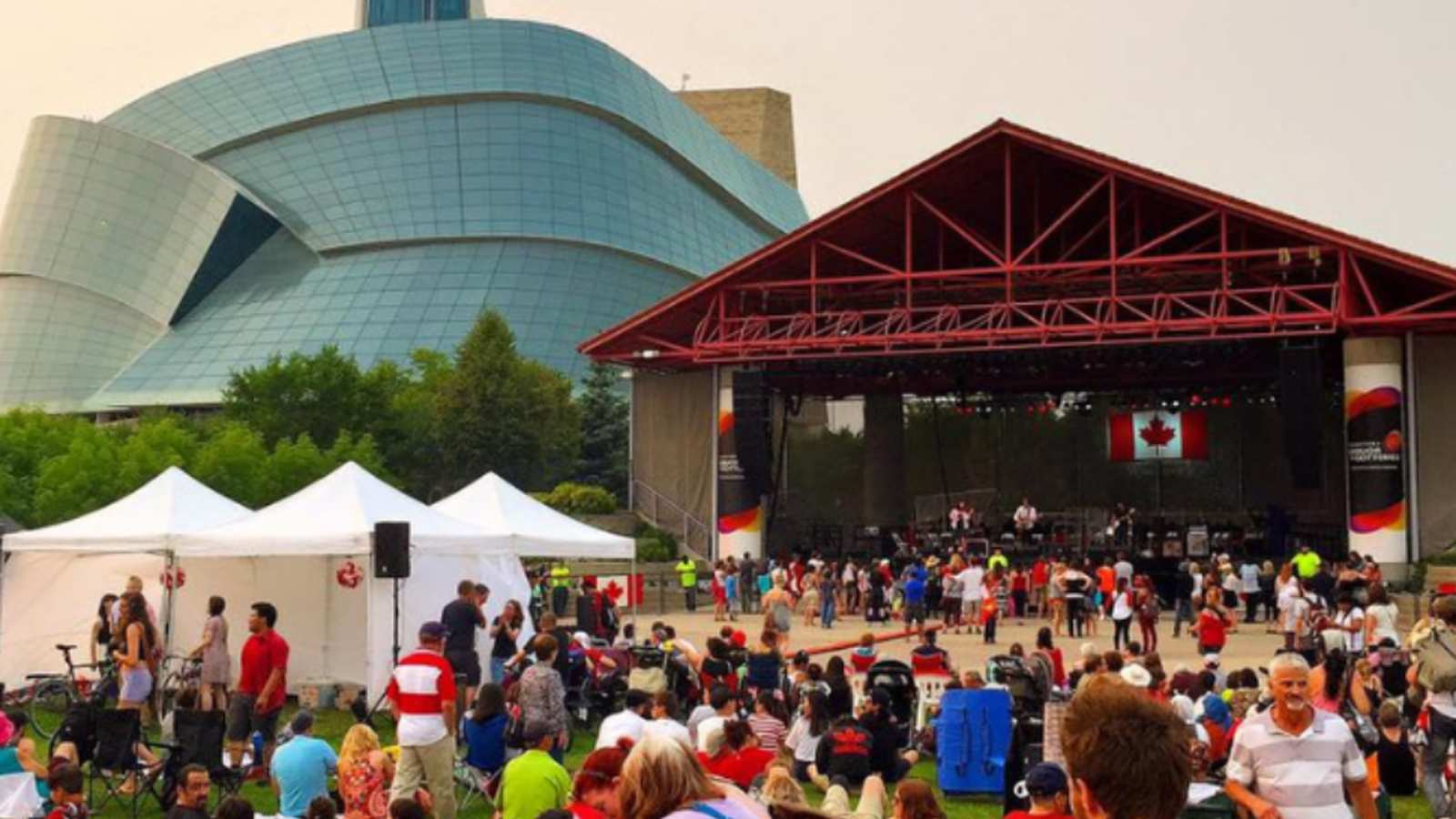
As the nation grapples with these high-level political questions, local communities are moving forward with traditional festivities. In Manitoba, cities like Winnipeg are hosting a wide array of public events, from the Blue Bombers’ celebration at Princess Auto Stadium to community-focused gatherings at Assiniboine Park and various regional parks. Meanwhile, in Toronto, residents are navigating holiday closures: government offices, banks, and major retailers like the LCBO are shuttered for the day, with public transit operating on modified holiday schedules.
The cultural landscape of the holiday is also shifting. Rock icon Bryan Adams is set to release a new track, “The 51st State,” on July 1, adding a contemporary musical layer to the day’s observances. As communities gather for fireworks and parades, the 2026 holiday serves as a reminder that Canadian identity is currently defined by a balance between deep-rooted local tradition and a complex, evolving national discourse.