

Quick Read
- The Dog Aging Project involves over 50,000 canine subjects to study aging and cognitive decline.
- Rapamycin is being tested for its potential to reduce neuroinflammation and slow dementia progression.
- Dogs serve as a more effective translational model for human disease than mice due to shared environments and biological similarities.
A New Frontier in Medical Research
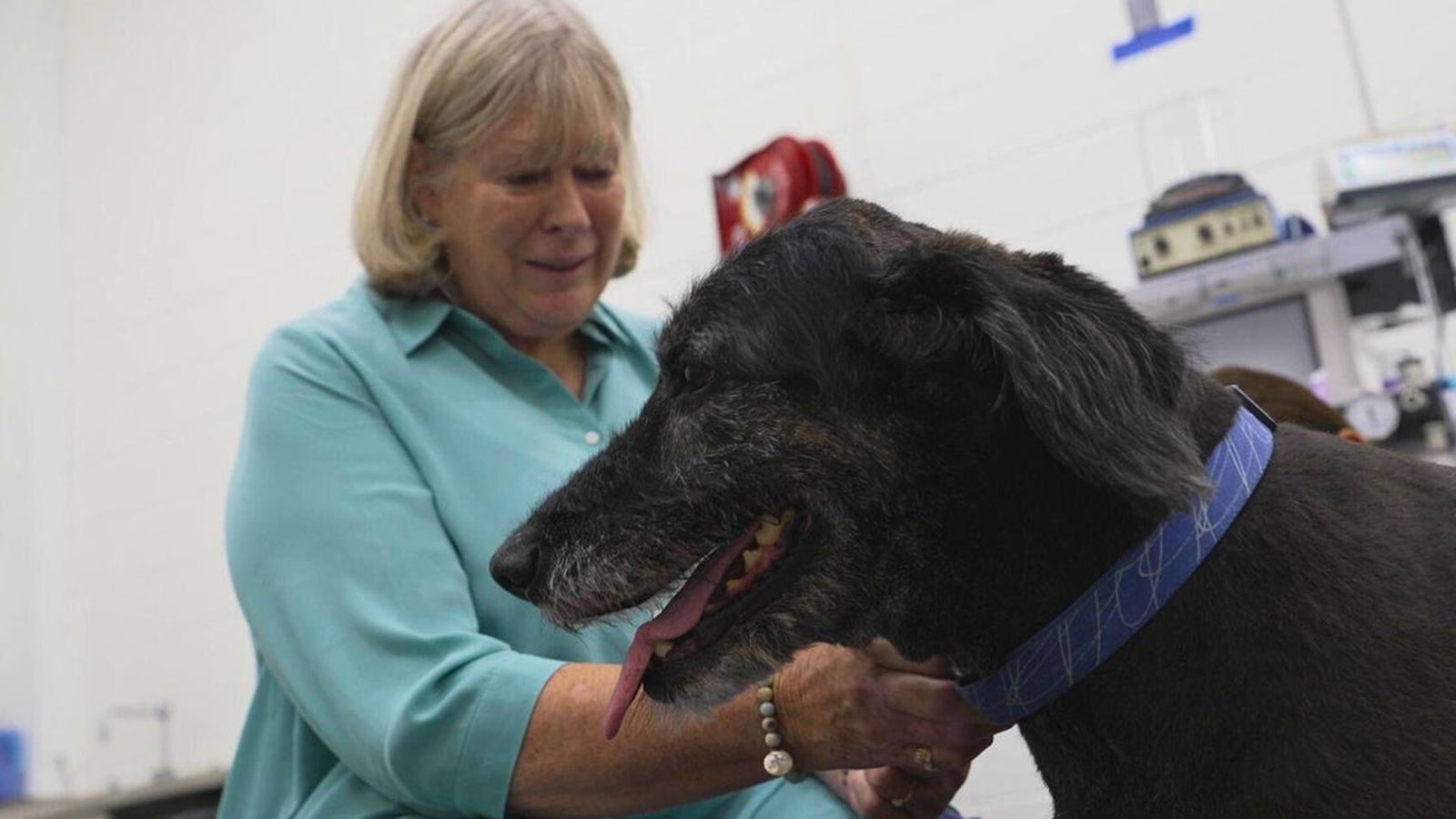
The Dog Aging Project, a collaborative initiative involving over 50,000 dogs, researchers, and veterinarians, has emerged as a pivotal platform for understanding age-related diseases. By analyzing diet, exercise, and biological data, scientists are using dogs as a sophisticated model for human aging, particularly in the study of dementia.
Dr. Matt Kaeberlein, co-founder of the project, notes that the biology of aging is highly conserved across species. Because dogs share our environment, diet, and lifestyle, they provide a more accurate translational model than traditional mouse studies, which often fail to replicate human clinical results.
The Promise of Rapamycin
A primary focus of current clinical trials is the drug rapamycin. Preliminary studies led by researchers such as Julie Moreno at Colorado State University have shown promising results. In examinations of deceased canine subjects, those treated with rapamycin exhibited fewer microglial cells—a hallmark of neuroinflammation associated with dementia. Findings indicate that rapamycin could potentially slow cognitive decline, mirroring results seen in laboratory mice where the drug increased life expectancy by up to 60%.
Analysis: Why Dogs Are Key
The urgency of this research is underscored by the high failure rate of human clinical trials following mouse-based studies. Up to 90% of treatments that succeed in mice fail in human testing. Dogs, however, naturally develop complex age-related conditions like cancer and Alzheimer’s, making them an ideal bridge for clinical research. Dr. Dirk Keene, a neuropathologist at the University of Washington, highlights that brain shrinkage and plaque accumulation in dogs with dementia are strikingly similar to human pathology. This synergy offers a faster, more effective path to understanding how to delay or prevent cognitive decline in humans.
While for-profit ventures like Loyal are also entering the longevity space with FDA-monitored trials, the long-term goal remains clear: extending the ‘healthspan’ of both human and canine companions. By identifying lifestyle factors—such as the finding that sedentary dogs are six times more likely to develop dementia—researchers hope to provide actionable interventions for aging populations worldwide.