


Sentencing and Conviction
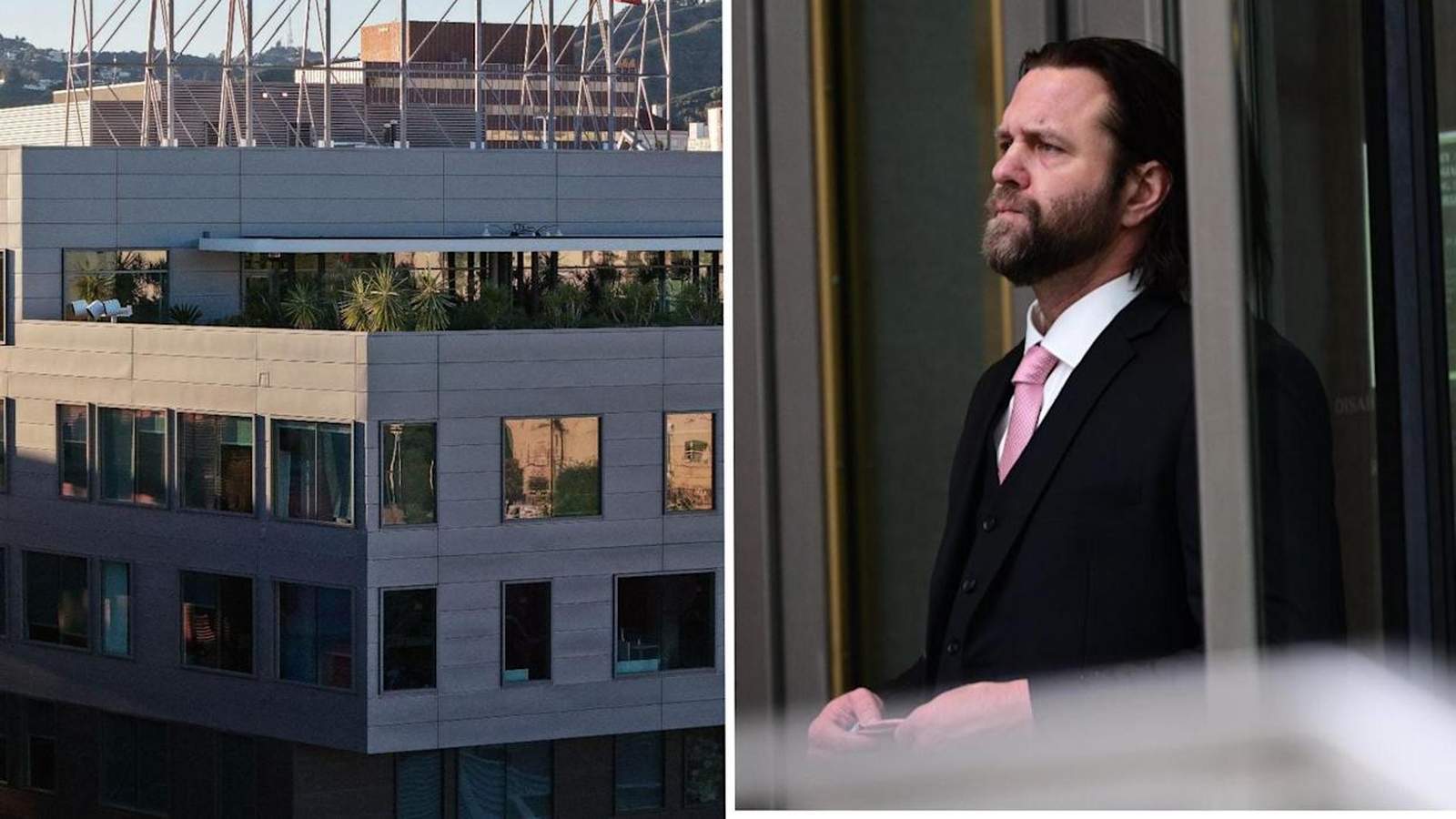
A Manhattan federal judge has sentenced director Carl Erik Rinsch to 30 months in prison following his conviction in a high-profile $11 million fraud case. Rinsch, known for his work on the 2013 film “47 Ronin,” was found guilty in December 2025 of misusing funds provided by a major streaming service—identified in filings as Netflix—intended for the production of a science-fiction series titled “Conquest.”
In addition to the prison term, the court ordered three years of supervised release and $11 million in forfeiture. Prosecutors from the U.S. Attorney’s Office for the Southern District of New York had initially sought a five-year sentence, citing the flagrant misappropriation of production capital for personal gain.
Misuse of Production Funds
According to federal investigators, Rinsch received approximately $44 million between 2018 and 2019 to produce “Conquest.” In March 2020, he secured an additional $11 million under the guise of completing the project. Instead of funding the production, Rinsch moved the capital into personal brokerage accounts, where he engaged in speculative trading and high-risk cryptocurrency bets.
Court records indicate that Rinsch lost more than half of the $11 million in less than two months. The remaining funds were allegedly funneled into personal expenditures, including the purchase of luxury watches, antiques, designer clothing, and a fleet of high-end vehicles, specifically five Rolls-Royces and a Ferrari.
The Dogecoin Factor
The case gained significant public attention due to Rinsch’s involvement with Dogecoin. Prosecutors noted that while Rinsch reportedly turned a $4 million investment into roughly $27 million during the crypto market’s volatility, these gains did not mitigate the underlying fraud. The court maintained that the primary issue remained the illegal diversion of funds that were contractually obligated for television production, which was ultimately never finished.
During the sentencing proceedings, the defense argued for leniency, citing mental health challenges. Notable figures, including actor Keanu Reeves, submitted letters of support to the court. Despite these appeals, the judge imposed a prison sentence, emphasizing the severity of the financial deception.