
Quick Read
- Cary-Hiroyuki Tagawa died at age 75 in Santa Barbara after a stroke, surrounded by family.
- He was best known for playing Shang Tsung in ‘Mortal Kombat’ and appeared in over 150 film, TV, and game projects.
- Tagawa was discovered by Bernardo Bertolucci for ‘The Last Emperor’ and became a fixture in Hollywood villain roles.
- He mentored many young actors and martial artists and was remembered for his warmth and generosity.
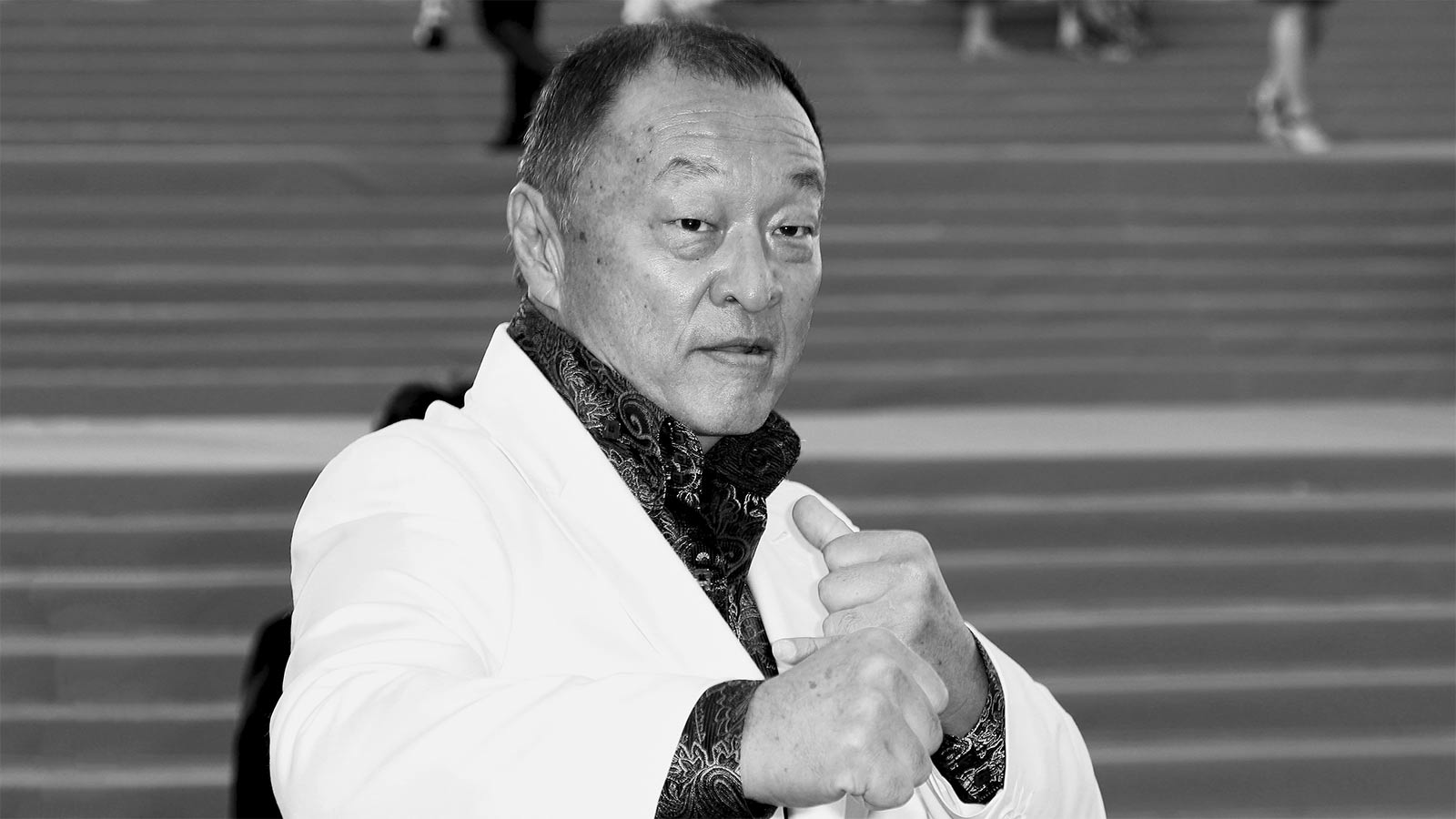
On December 4, 2025, the world lost Cary-Hiroyuki Tagawa, a towering figure whose presence transformed action cinema for more than four decades. Best known for his mesmerizing portrayal of the villainous sorcerer Shang Tsung in ‘Mortal Kombat,’ Tagawa died at 75 in Santa Barbara, surrounded by family, following complications from a stroke. The news, confirmed by his family and representatives, reverberated through Hollywood and the global martial arts community.
Tagawa’s journey began in Japan, where he was born, and continued across U.S. military bases before he settled in Los Angeles. There, he developed his own martial arts style, Chu Shin, reflecting a lifelong passion for discipline and movement. But it was director Bernardo Bertolucci who first recognized Tagawa’s cinematic potential, casting him in the 1987 Oscar-winning epic ‘The Last Emperor.’ That breakout role was the gateway to an extraordinary career defined by elegant villainy and nuanced performances.
Tagawa’s filmography is a testament to his versatility and magnetic screen presence. He first appeared in John Carpenter’s cult classic ‘Big Trouble in Little China’ (1986), albeit in an uncredited role, before launching into a string of memorable parts. In 1989, he joined the legendary ranks of Bond villains in ‘Licence to Kill.’ He continued to captivate audiences in ‘Rising Sun’ (1993), ‘The Phantom’ (1996), ‘Pearl Harbor’ and ‘Planet of the Apes’ (2001), ‘Memoirs of a Geisha’ (2005), and ’47 Ronin’ (2013). Over his career, Tagawa amassed more than 150 credits across film, television, and video games, according to Los Angeles Times and CBS19.
Yet, it was ‘Mortal Kombat’ (1995) that cemented his legacy in popular culture. As Shang Tsung, Tagawa delivered a performance so chilling and charismatic that his catchphrase—”Your soul is mine”—became a hallmark for fans. He reprised the role in the 1997 sequel ‘Mortal Kombat: Annihilation,’ the web series ‘Mortal Kombat: Legacy’ (2013), and voiced the character in the 2019 video game ‘Mortal Kombat 11,’ ensuring that new generations would recognize his artistry.
Television also showcased Tagawa’s range. He starred as Trade Minister Nobusuke Tagomi in Amazon’s ‘The Man in the High Castle’ from 2015 to 2018, earning critical acclaim for a role that explored the complexities of duty and morality in an alternate history. He appeared in Netflix’s ‘Lost in Space’ as Hiroki Watanabe (2018–2021), and left his mark on series such as ‘Nash Bridges,’ ‘Revenge,’ ‘Star Trek: The Next Generation,’ and ‘Miami Vice.’
Off-screen, Tagawa was revered as a mentor and teacher. Colleagues described him as generous, thoughtful, and deeply committed to his craft. Margie Weiner, his longtime manager, reflected, “Cary was a rare soul: generous, thoughtful, and endlessly committed to his craft. His loss is immeasurable.” Penny Vizcarra, his publicist, echoed these sentiments: “Our entire team loved working with him and appreciated how he treated everyone with love and respect.” Tagawa’s legacy extends beyond his filmography; it lives in the countless actors and martial artists he inspired.
Tagawa’s personal life was rooted in family and tradition. He lived with his wife, Sally, on Kauai, Hawaii, raising three children—Calen, Brynne, and Cana—who, along with grandchildren River and Thea Clayton, survive him. His passing, as his family shared, was peaceful, surrounded by those who loved him most.
As tributes pour in from fans and peers, one thing is clear: Cary-Hiroyuki Tagawa’s legacy is as complex as the characters he played. He was more than Hollywood’s go-to villain. He was a bridge between cultures, a master of his craft, and a mentor whose influence will linger long after the credits roll.
Tagawa’s career stands as a reminder that the impact of an artist stretches far beyond the screen. His distinctive blend of elegance and menace set a standard for character acting, while his warmth and mentorship shaped the next generation. In honoring his life, we reflect not just on the roles he played, but on the humanity and respect he brought to every project and person he touched.