


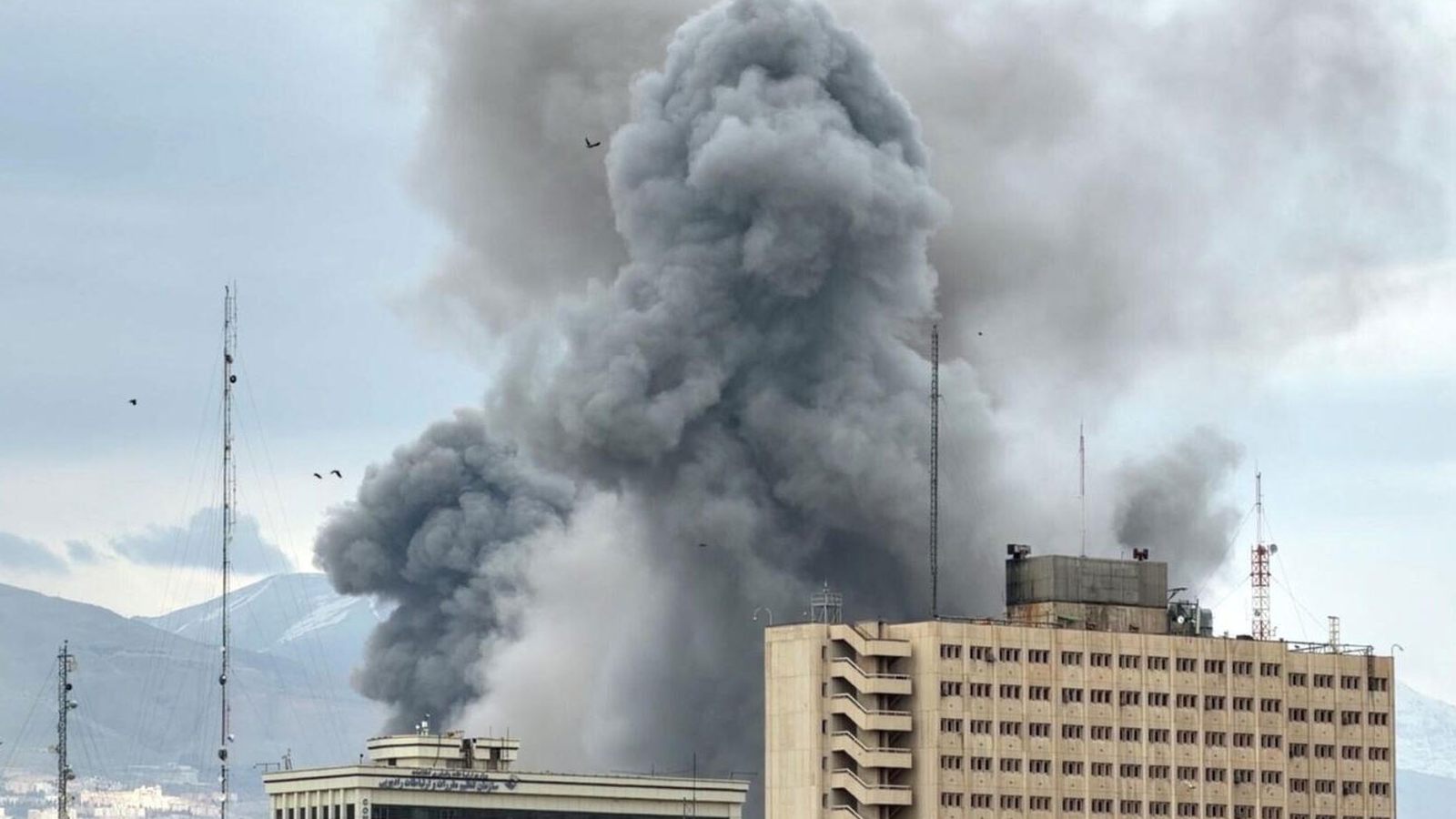
TEL AVIV (Azat TV) – The conflict in the Middle East has escalated significantly, with reports indicating a widening of targets by Israel, the U.S., and Iran to include non-military infrastructure. This intensification is sending shockwaves through global energy markets and raising alarm bells about the potential for a prolonged and devastating conflict, dubbed “Infinityhedge” by some observers.
Broadening Targets and Infrastructure Attacks
Sources report that Israel and the U.S. are considering expanding their military objectives to include seizing Iran’s uranium facilities. In parallel, Israel has reportedly conducted significant strikes on oil depots within Iran. The conflict has also seen a direct impact on crucial military assets, with reports from CNN detailing the damage or destruction of four THAAD anti-missile radar systems in the UAE, Saudi Arabia, and Jordan. These systems, each costing approximately $500 million, are described as vital components of the THAAD battery. The European Union has warned of a potential global shortage of interceptors, a consequence of these escalating attacks.
Furthermore, allegations suggest the U.S. may have struck a freshwater desalination plant in Iran, impacting the water supply to around 30 villages. Iran’s Foreign Ministry has stated that the U.S. set this precedent. Approximately 100 million people across the region rely on desalination facilities, highlighting the severe humanitarian implications of such attacks.
Energy Markets in Turmoil
The Strait of Hormuz, a critical chokepoint for global oil and LNG trade, remains effectively closed, with only Iran-linked sanctioned tankers reportedly crossing. The dwindling availability of supertankers in the Persian Gulf suggests that a forced production shutdown phase could begin within days. This has led to dramatic market reactions: Iraq’s oil output has plunged by about 60%, the UAE and Kuwait have initiated oil output cuts, and Saudi Arabia has raised prices. EU diesel futures have surged over 50% in a single week, with jet fuel prices exceeding $200 per barrel. LNG shipping rates in the Asia-Pacific region have also seen a massive increase of 529%.
Financial institutions are warning of severe economic consequences. Goldman Sachs estimates that a $10 increase in oil prices sustained for three months could raise U.S. year-over-year headline CPI inflation from 2.4% to 3%. JPMorgan predicts that every 10% rise in oil prices could translate to a approximately 10 basis point gain in headline PCE inflation and a 15-20 basis point drag on GDP growth. If the Strait of Hormuz remains blocked through March, Goldman Sachs suggests oil prices could exceed the 2008 peak of $147, with $200 per barrel no longer considered unthinkable.
Geopolitical Repercussions and Shifting Alliances
The United Arab Emirates President, in a rare public statement, confirmed that the UAE is “in a time of war.” Unofficial reactions suggest a growing sentiment that the conflict is being driven by Israeli interests, with concerns that other nations are falling into a “Netanyahu trap.” The situation has led to ships declaring themselves Chinese to evade attacks, and China has reportedly instructed major refiners to suspend exports of diesel and gasoline. Japan is reportedly considering tapping its national reserves.
The impact on Russia’s energy sector is also notable. While Russia’s oil and gas revenues had declined in the previous year, the closure of Hormuz has reportedly reversed this trend. The U.S. issued a waiver allowing India to purchase Russian crude, a move described as an “extraordinary situation” where a U.S. president is subsidizing Russian energy revenues to manage the crisis.
The potential for a protracted conflict carries significant risks for regional banking systems. Moderate to high conflict scenarios lasting about a month could affect 15% of global crude and 20% of LNG trade, potentially leading to capital outflows from regional banks. A prolonged conflict exceeding one month, with oil prices sustained above $100 per barrel, could amplify storage challenges and production shutdowns, leading to significant deposit outflows, asset quality stress, and governments potentially unable to backstop their banks.
The widening of targets to include critical civilian infrastructure, such as water desalination plants, marks a dangerous escalation, underscoring the potential for devastating humanitarian consequences and further destabilizing an already volatile region.