
Quick Read
- Sir Chris Wormald has stepped down as UK Cabinet Secretary and Head of the Civil Service, effective February 12, 2026.
- His departure marks the shortest tenure for a Cabinet Secretary on record, having been appointed in December 2024.
- The exit follows reports of Prime Minister Keir Starmer’s dissatisfaction and comes amid a wider shake-up of Starmer’s top team.
- Wormald was overseeing a probe into Lord Peter Mandelson’s appointment, a controversy linked to vetting processes.
- Antonia Romeo, Home Office Permanent Secretary, is reportedly the frontrunner to succeed him, with an expedited appointment process raising concerns.
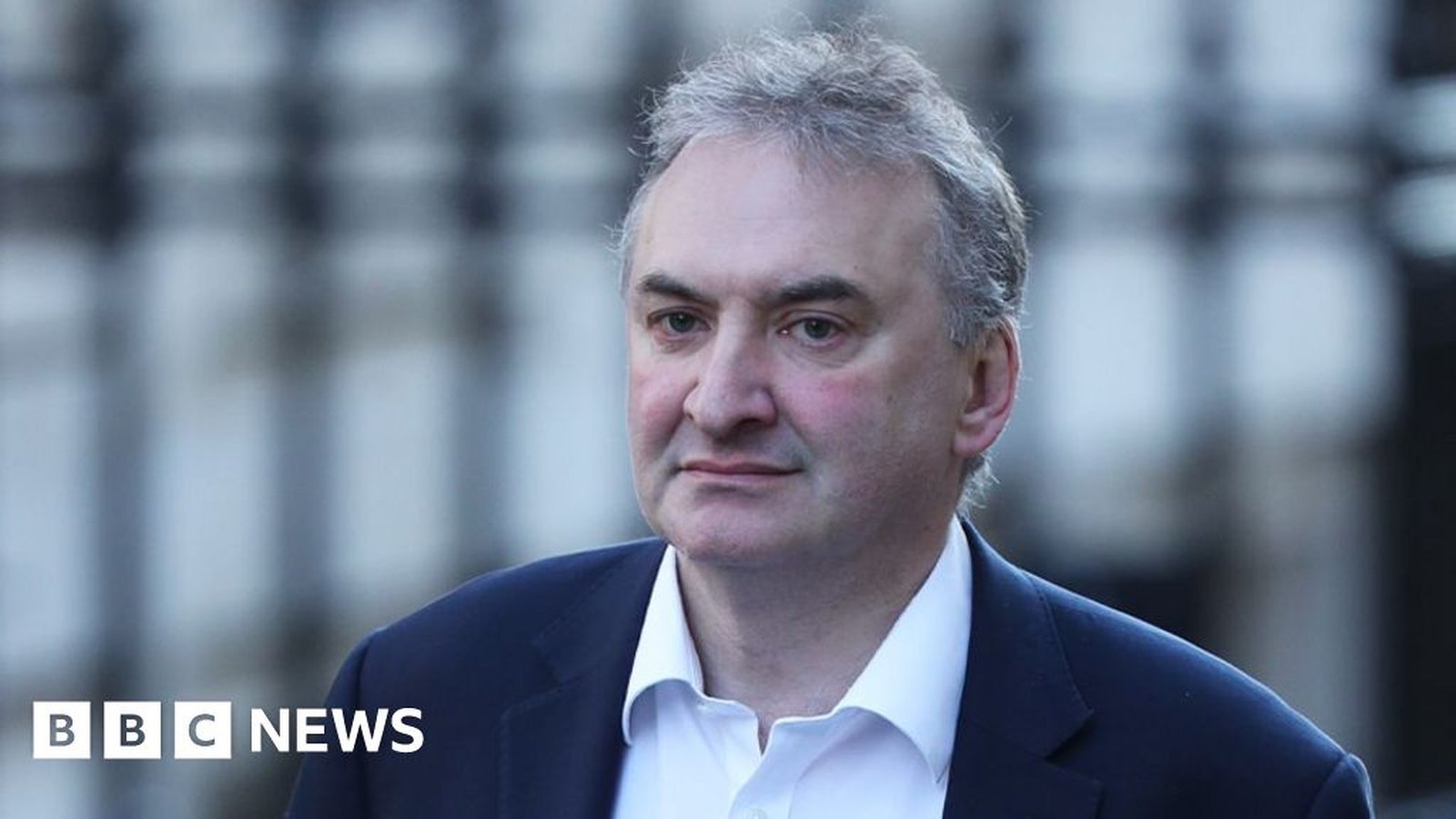
LONDON (Azat TV) – Sir Chris Wormald, Britain’s most senior civil servant, has stepped down from his roles as Cabinet Secretary and Head of the Civil Service, effective February 12, 2026. Downing Street confirmed the departure, stating it was by “mutual agreement” with Prime Minister Keir Starmer. Wormald’s exit, just over a year after his appointment in December 2024, marks the shortest tenure for a Cabinet Secretary in recorded history and signals significant turbulence within the highest echelons of the UK government.
The departure comes amidst a broader shake-up of Prime Minister Starmer’s top team, following the recent resignations of his chief of staff, Morgan McSweeney, and communications chief, Tim Allan. Government sources had reportedly briefed that Starmer found Wormald ‘too conventional,’ setting the stage for his early exit despite the official statement of mutual agreement.
Wider Context: Mandelson and Doyle Vetting Controversies
Wormald’s resignation is inextricably linked to ongoing controversies surrounding the vetting processes for senior government appointments, specifically those of Lord Peter Mandelson and Lord Matthew Doyle. Sir Chris Wormald had been overseeing the government’s release of documents demanded by Parliament regarding Lord Mandelson’s appointment as US ambassador, which drew scrutiny due to his past association with convicted sex offender Jeffrey Epstein. Similarly, questions had been raised over the screening process for Matthew Doyle, who received a peerage despite having campaigned for a paedophile councillor in 2017.
Prime Minister Starmer has pledged to tighten vetting procedures for senior roles, a promise that gains new urgency with Wormald’s departure and the surrounding criticism. The Independent reported that Wormald’s exit came after days of speculation over his future, further highlighting the internal pressures and public scrutiny facing the government.
Succession Plans and Concerns
While an immediate replacement has not been announced, Antonia Romeo, the Permanent Secretary at the Home Office, is widely reported to be the frontrunner for the Cabinet Secretary role. In the interim, Romeo will share responsibilities with Catherine Little, Permanent Secretary at the Cabinet Office, and James Bowler, Permanent Secretary at His Majesty’s Treasury. Downing Street stated that a new Cabinet Secretary will be appointed ‘shortly.’
However, the prospect of an expedited appointment process has drawn criticism. Lord McDonald, a former top civil servant, warned on Channel 4 News that the ‘most important job in the civil service’ cannot be chosen ‘on the fly’ and stressed the importance of due diligence. Concerns have also resurfaced regarding past allegations against Dame Antonia Romeo, including a 2017 investigation into her expenses and claims of bullying during her time as Britain’s consul general in New York. The Cabinet Office has robustly defended Romeo, stating that all allegations were dismissed with no case to answer.
Reactions and Implications for Civil Service
The swift removal of Sir Chris Wormald has drawn strong reactions from across the political spectrum and within the civil service. Conservative leader Kemi Badenoch accused Prime Minister Starmer of ‘throwing under the bus’ another senior official to ‘save his own skin.’ Dave Penman, head of the FDA Union, which represents senior civil servants, called Wormald’s treatment ‘a new low for this government and its relationship with the Civil Service,’ lamenting the ‘days of open speculation’ and ‘anonymous briefings’ that undermined his authority.
Both Starmer and Wormald issued statements expressing gratitude for his 35 years of public service. Starmer acknowledged Wormald’s support over the past year, while Wormald spoke of the ‘honour and privilege’ of leading the service. Despite these polite exchanges, the underlying tensions and rapid turnover at the top of the UK’s administrative machinery raise significant questions about the stability and political independence of the civil service under the current government.
The rapid succession of top civil servants and political appointees, coupled with public controversies over vetting, suggests a period of significant recalibration within the UK government, potentially impacting the perceived impartiality and operational effectiveness of the civil service.