
Quick Read
- Trump has threatened unprecedented military escalation if peace deals with Iran fail.
- The administration’s recent shift toward vague terminology regarding the Armenian Genocide is drawing criticism for undermining moral authority.
- Experts argue that historical denial emboldens regional actors who threaten Armenian sovereignty.
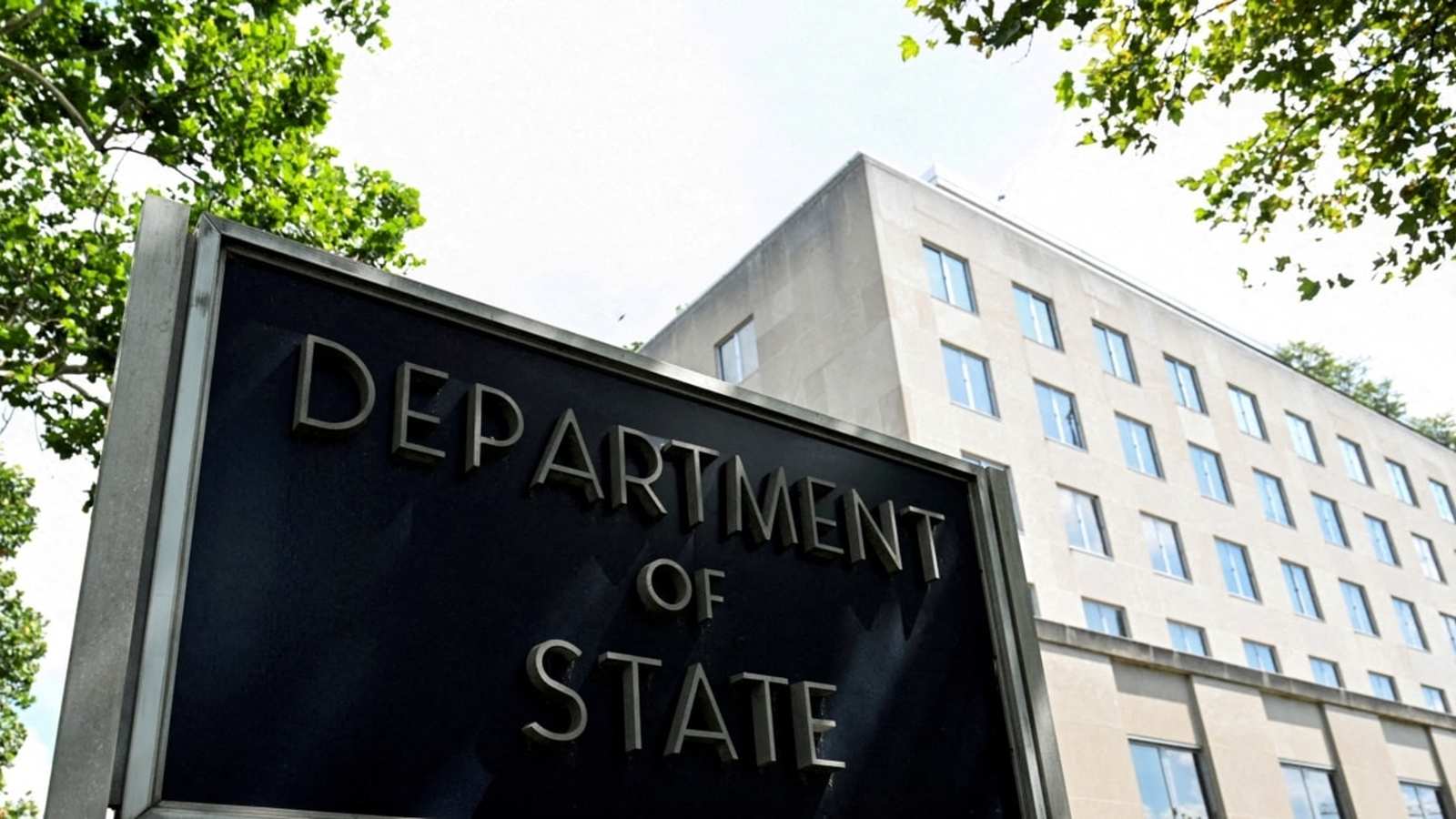
On the eve of April 24, the administration of President Donald Trump faces a critical juncture where regional security interests in the Middle East intersect with the fundamental tenets of human rights and historical accountability. As the White House navigates a volatile standoff with Tehran—marked by threats of unprecedented military escalation should current peace negotiations collapse—the annual U.S. recognition of the Armenian Genocide has evolved from a commemorative act into a test of American moral leadership.
The Geopolitical Cost of Historical Ambiguity
While the United States maintains that it remains open to diplomacy with Iran, the rhetoric surrounding regional stability has grown increasingly fraught. Reports indicate that the administration has recently retreated from the explicit language of “genocide” in favor of softer terms like “historical disaster.” This shift is not merely a diplomatic nuance; it creates a dangerous precedent. By failing to call the systematic destruction of 1.5 million Armenians by its proper name, the administration risks signaling to aggressive regional actors that historical revisionism is an acceptable tool of modern statecraft.
Accountability as a Strategic Asset
The stakes extend far beyond historical record-keeping. The vacuum left by strategic silence has historically emboldened regimes to pursue ethnic cleansing with impunity, as evidenced by the 2023 forced displacement of over 120,000 Armenians from Nagorno-Karabakh. For a president positioning himself as the architect of a new regional order, the refusal to confront past atrocities undermines the credibility of any future security guarantees. If the United States expects international partners to trust its commitment to sovereignty and the rule of law, it cannot simultaneously treat historical truth as a transactional commodity.
The Path to Credible Diplomacy
True regional stability requires more than just military posturing or temporary ceasefires in the Middle East. It necessitates a consistent adherence to democratic values that do not waver based on current geopolitical convenience. Recognition of the Armenian Genocide is the currency of trust; it establishes a baseline of moral clarity that distinguishes a democratic superpower from regimes that utilize denial to justify expansionist policies. As the administration prepares its official stance, it must decide whether it will continue to prioritize short-term diplomatic expediency or uphold the integrity of the international human rights framework upon which its global influence rests.