


Austin’s Night of Music: Fundraising with Heart
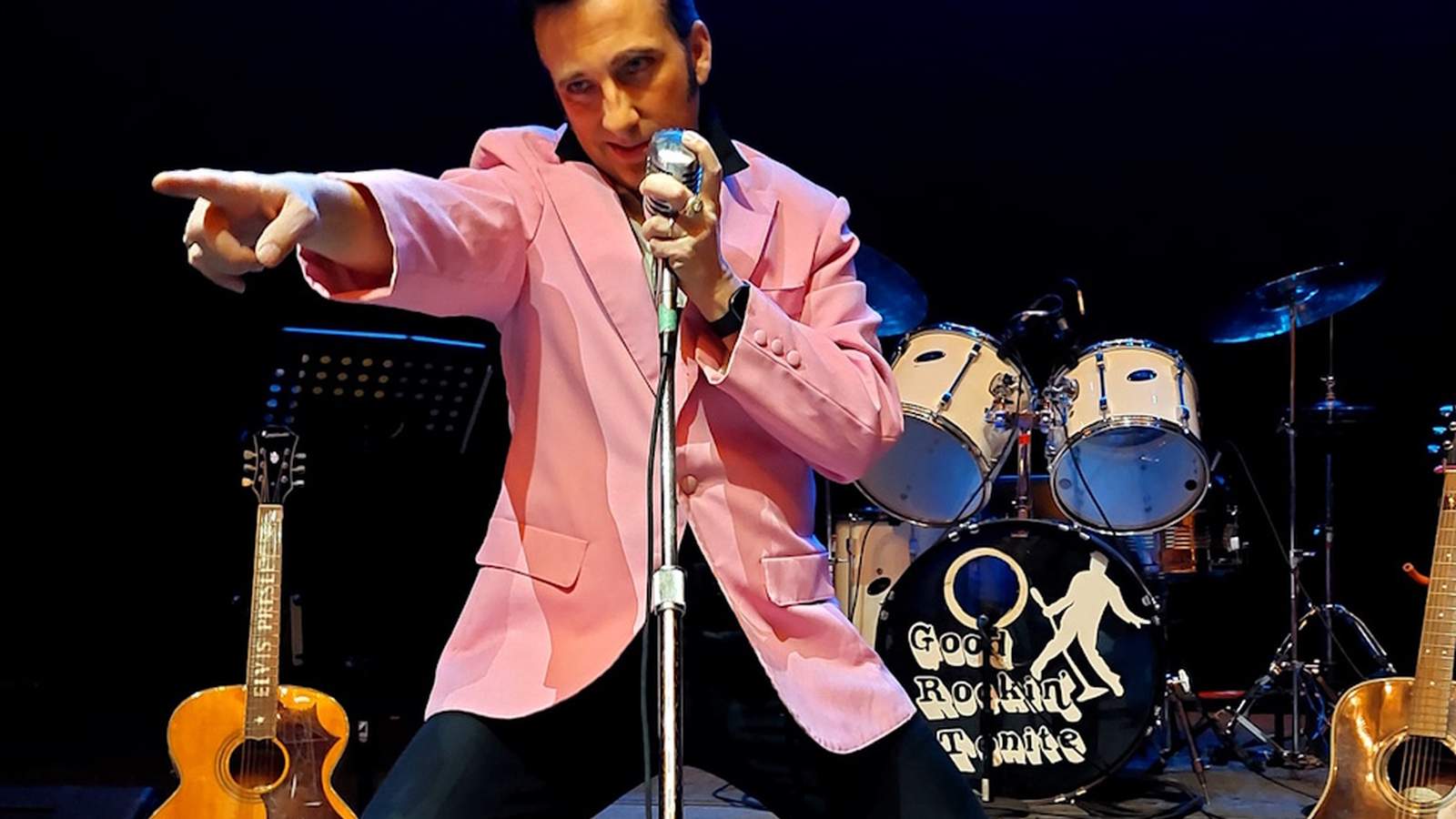
On a brisk Saturday evening, the Austin Community Hall was transformed into a lively hub of music and camaraderie. The cause? Raising money for a gazebo at the local cemetery—a project that aims to offer visitors a peaceful place to reflect and connect. The star of the night was Adam T. Elvis, Manitoba’s own tribute artist, who brought both Johnny Cash and Elvis Presley classics to life for a crowd of 120 attendees.
“We were rocking the hall! Or I should say, Adam T. Elvis was rocking the hall, and the 120 people who came out were rocking with him,” shared Arlene Jarema, treasurer of the Austin Cemetery Committee. The evening started with dessert—a sweet prelude to the show—and soon the hall was filled with the familiar rhythms and melodies that define an era. Some attendees even donned 1950s attire, channeling the spirit of the King himself.
Despite competing with another major fundraiser nearby, the event sold out, raising roughly $2,000 for the cemetery gazebo project. The committee had already poured the cement foundation, with plans to order the gazebo package come spring. “We hope to have it built next year. Our construction people are busy, so we’ll have to book someone early,” Jarema explained.
The night wasn’t just about money—it was about community. Volunteers hustled between serving desserts and joining in the dancing. “I think we had a little too much fun. I was a little sore the next day from all the dancing and running around,” Jarema laughed, her words echoing the sense of joy that permeated the evening.
Feedback from attendees was overwhelmingly positive. “People said they definitely got their money’s worth at $25 a ticket,” Jarema noted. The committee hasn’t scheduled its next fundraiser yet, but the spirit of collaboration was unmistakable. “We sure appreciated everyone who helped with the desserts and those who came out. We hope they had a memorable evening in Austin.” For those who missed out, donations can still be made through the Municipality of North Norfolk, earmarked for the Austin Cemetery Gazebo Project.
Hatteras Seniors: Three Years of Fundraising for One Unforgettable Trip
Several states away, another story of perseverance and community unfolded. The Cape Hatteras Secondary School’s Class of 2026, after three years of persistent fundraising, finally embarked on a long-awaited senior trip—one that blended adventure, education, and personal growth.
The journey began years earlier, when the students, then freshmen, decided to organize their own senior trip. Many hadn’t been on a field trip since fifth grade. “As Freshmen, they decided to take it upon themselves to organize a Senior trip since they had not been on a field trip since 5th grade,” said class sponsor and teacher Evan Ferguson. Over the next three years, the class held fundraisers large and small, rallying their peers, families, and the broader community behind their goal.
The fruits of their labor were realized on a two-day adventure in central North Carolina. Their first stop: the North Carolina State Fair. Here, the students explored agricultural and science exhibits, absorbing lessons about the state’s rich cultural heritage. For many, it was a first-time experience—one that blended learning with enjoyment in a way only a field trip can.
“The North Carolina State Fair offers an array of educational experiences in agriculture, science, and the state’s cultural heritage. Most students in the class had yet to visit the NC State Fair and it was not only educational but enjoyable,” Ferguson explained. The trip was more than sightseeing; it was a chance to see beyond the familiar horizons of Hatteras Island, to step into new settings and meet new challenges.
The second day took the group to the Go Ape Zipline and Adventure Park in Wake Forest. Here, the students faced aerial challenges designed to foster teamwork and self-confidence. “The Go Ape Zipline and Adventure Park in Wake Forest offered a unique opportunity for our students to step outside their comfort zone and challenge themselves in an outdoor environment, all while bonding as a group,” Ferguson shared. The experience resonated deeply, especially for students who had grown up in a sheltered island community. “Adventure-based fitness encourages students to trust themselves and their abilities—lessons that will translate into everyday life and their future selves.”
Support for the trip came from various sources, including the Hatteras Island Youth Education Fund, which provided a grant. This backing was crucial, as the Class of 2026 had missed out on the traditional eighth-grade trip that previous classes had enjoyed. The adventure was documented through photos, capturing moments of learning, laughter, and connection.
Fundraising as a Community Catalyst
Though separated by geography and purpose, the Austin and Hatteras fundraisers share a common thread: the power of grassroots action. In Austin, the drive was to create a physical space for remembrance; in Hatteras, it was about opening new worlds for young minds. Both endeavors relied on countless hours of volunteer effort, the generosity of local donors, and the energy of people determined to make a difference.
Fundraising, at its best, does more than raise money—it weaves a fabric of shared purpose and achievement. It brings together generations, sparks conversations, and leaves a mark not just on the projects it funds, but on the people who make them possible.
The Lasting Impact: Beyond Dollars Raised
For the Austin Cemetery Committee, the new gazebo will soon stand as a testament to what a small town can accomplish together. For the Cape Hatteras seniors, their trip will linger in memory as a milestone—proof that teamwork and persistence can turn distant dreams into real experiences.
In both communities, the lessons extend far beyond the events themselves. Whether through music and dance, or through the thrill of a zipline, fundraising efforts have built bridges between neighbors and generations, setting examples for future initiatives.
Examining these two fundraisers side by side, it becomes clear that their true value lies not just in what was built or where students traveled, but in the spirit of collective action. When communities rally around a cause—be it a gazebo or a transformative trip—the impact ripples outward, inspiring future projects and reinforcing the bonds that hold neighborhoods and schools together. The success of these events, as chronicled by DiscoverWestman and Island Free Press, is measured not only in dollars raised, but in the memories made and the resilience forged.