


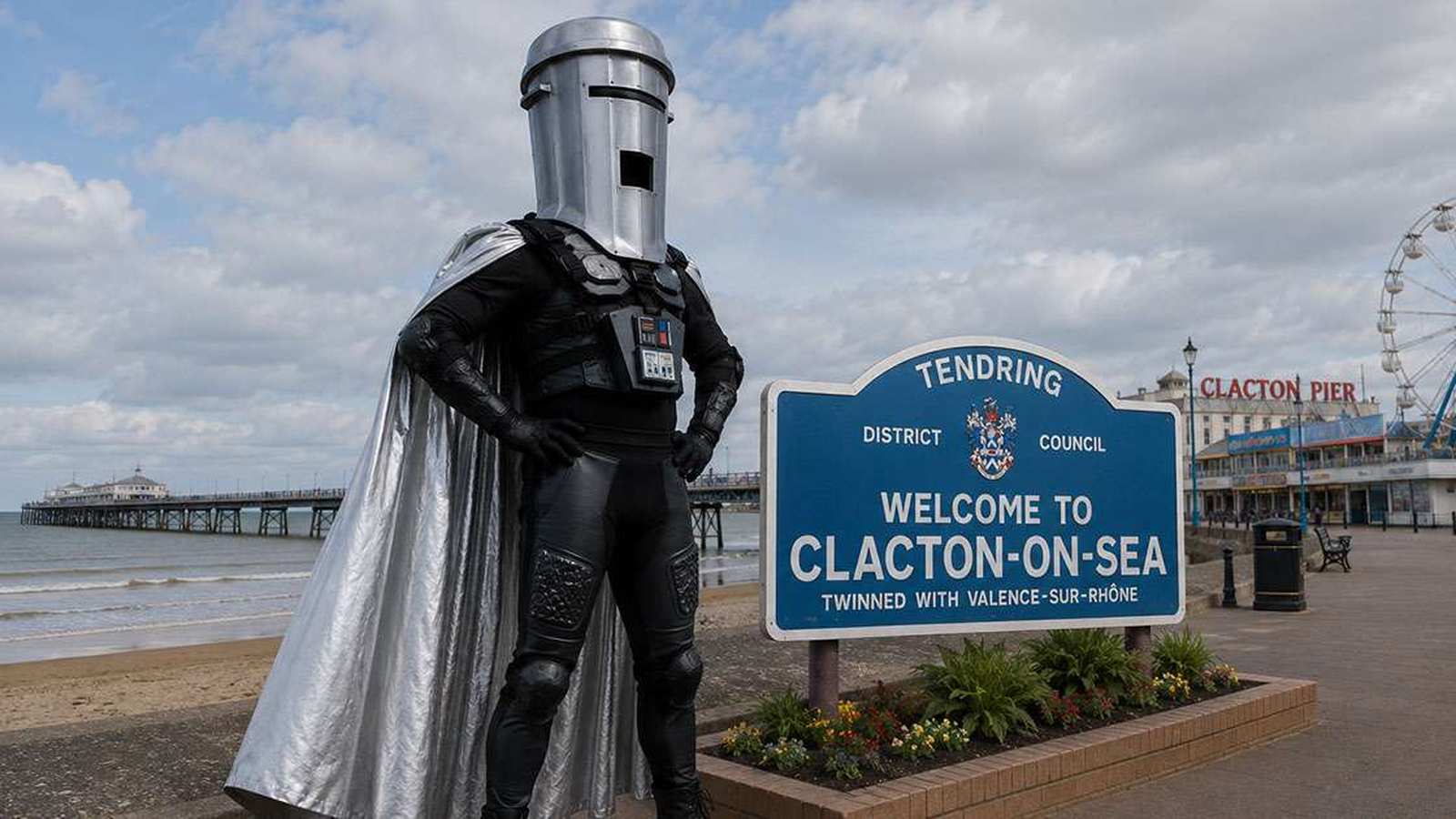
A Constituency in Flux
The Clacton by-election, triggered by the resignation of Reform UK leader Nigel Farage on July 7, has descended into a political spectacle that underscores a profound disconnect between the Westminster establishment and the local electorate. While Farage frames the contest as a decisive moment for his agenda, new polling data released on August 2-3, 2026, reveals a surprising surge for a protest candidate: the satirist known as Count Binface. According to the latest figures, nearly one-fifth of the constituency’s voters are signaling support for the intergalactic-themed challenger, a development that has sent shockwaves through the local campaign trail.
The ballot itself has become a physical manifestation of this volatility, stretching to nearly one meter in length to accommodate 34 candidates. Among the contenders are figures ranging from Laurence Fox to members of the Monster Raving Loony Party and the leader of the ‘Everyone is God’ party. This crowded field has transformed the by-election into what some local business owners describe as a “silly season” event, where the genuine needs of the coastal town—ranging from infrastructure maintenance to housing and economic decline—are being overshadowed by performative political theater.
The Economic and Social Stakes
Clacton’s historical identity as a seaside destination is currently under strain. Billy Ball, managing director of the 155-year-old Clacton Pier, notes that while the town’s tourism sector is fighting to adapt, the political focus remains largely transactional. “The only one that reached out to us on day one was Nigel Farage,” Ball remarked, though he acknowledges that this engagement is viewed with skepticism by some residents who feel the constituency is merely being used as a backdrop for high-profile political maneuvering.
In the nearby settlement of Jaywick, the stakes are far more material. With 36% of the population living with a disability and many residents struggling with the high costs of maintaining aging housing stock, the gap between political rhetoric and daily reality is stark. The community hub, Sunspot, represents a rare instance of local investment, yet residents like Lorraine Wildes and community figures like Hana Loftus emphasize that the town’s resilience is often a result of self-reliance rather than government policy. The presence of a burnt-out building and abandoned vehicles in the town center serves as a grim symbol of the neglect that has fueled the “Binface effect”—a protest vote born not of enthusiasm for the satirist, but of exhaustion with traditional political options.
The Impact of the Protest Vote
The rise of candidates like Count Binface serves as a critical indicator of voter sentiment. By promising to “build at least one affordable house,” Binface has managed to capture the cynicism of a public that has seen decades of decline. While his victory is statistically unlikely, the 20% support threshold indicates that a significant segment of the electorate is willing to treat the ballot box as a vehicle for irony and protest. This trend poses a direct challenge to Farage, who has centered his campaign on immigration and national identity, yet has faced criticism for his perceived absence from the day-to-day life of Clacton’s small businesses.