


A Modern Monarchy Under Scrutiny
Crown Prince Haakon of Norway is currently navigating a period of significant institutional turbulence. As the heir to the throne, Haakon’s efforts to modernize the Norwegian monarchy are being tested by a series of personal family crises, most notably the recent legal conviction of his stepson, Marius Borg Høiby.
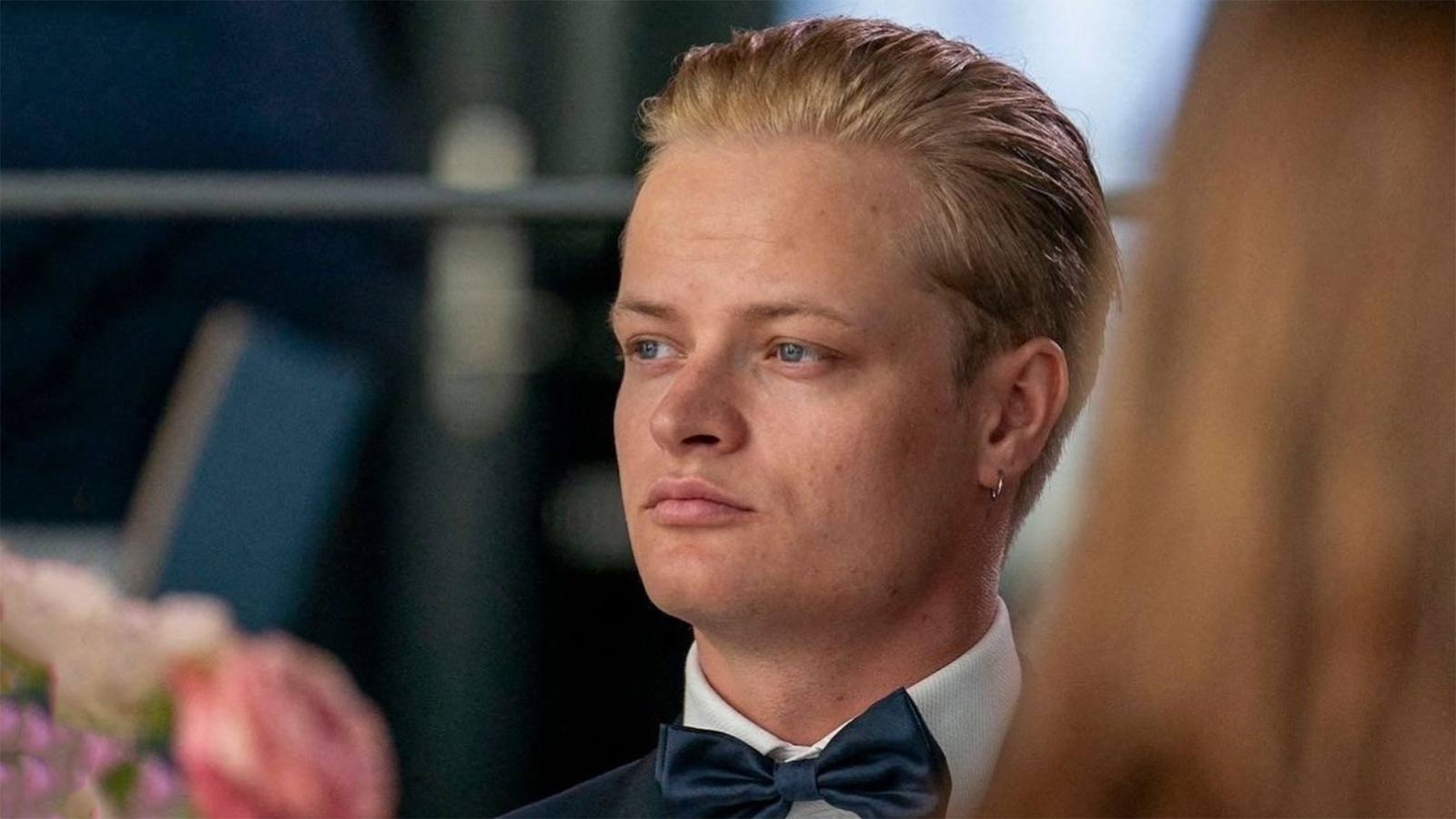
Høiby, the son of Crown Princess Mette-Marit from a previous relationship, was recently sentenced to four years in prison for multiple criminal offenses. The verdict has placed the royal household in a difficult position, forcing the palace to manage the fallout of a private family matter that has become a matter of intense public and media scrutiny.
Balancing Duty and Family
The situation comes at a time when Haakon has already been balancing his royal responsibilities with significant health challenges within his immediate family. Crown Princess Mette-Marit has been undergoing treatment following a lung transplant, an event that led the Crown Prince to realign his official schedule to prioritize his wife’s recovery. According to reports from SSBCrack, these dual pressures—the legal scandal involving his stepson and the health struggles of his spouse—have highlighted the evolving expectations placed on modern royals.
Unlike his predecessors, who were often expected to prioritize the institution above all else, Haakon has demonstrated a commitment to his family unit. However, this modern approach has introduced new complexities. The scrutiny surrounding Høiby’s legal battle forces the monarchy to address questions about accountability and the boundaries between private conduct and royal association.
Institutional Stability
The Norwegian royal family has previously faced public questions regarding its associations, including past scrutiny over the Crown Princess’s historical connections to figures like Jeffrey Epstein. While those issues have largely faded, the current criminal conviction of a member of the extended royal family presents a more immediate and tangible public relations hurdle.
As Haakon continues his duties, observers suggest the monarchy is under pressure to maintain public trust. The challenge for the future king remains clear: navigating the intersection of personal tragedy, family failings, and the solemn expectations of his constitutional role. The ability of the Norwegian royal house to maintain its reputation during this period will be a defining test of its resilience in a transparent, modern era.