
Quick Read
- Norovirus outbreaks have affected major cruise lines in 2025, including Royal Caribbean, Oceania, Princess, and Holland America, with some ships reporting illness rates over 10%.
- Carnival Cruise Line quietly increased its standard onboard service fee from 18% to 20%, impacting dining, drinks, and other extras.
- Princess Cruises’ Sun Princess was named No. 1 mega ship in Condé Nast Traveler’s 2025 Readers’ Choice Awards, beating Royal Caribbean and Norwegian.
- Cruise lines are implementing enhanced sanitation and medical protocols but outbreaks and hidden fees remain top concerns for travelers.
Cruise Industry Faces Norovirus Crisis: What Travelers Need to Know
For millions dreaming of sea adventures, 2025 has proven a turbulent year for the global cruise industry. The promise of relaxation and exploration has clashed with a surge in Norovirus outbreaks—a highly contagious stomach virus—across some of the world’s leading cruise lines. According to Travel and Tour World, Royal Caribbean, Oceania Cruises, Holland America Line, Princess Cruises, Cunard, AIDA, and Viking Ocean Cruises have all reported significant outbreaks aboard their ships.
Take Royal Caribbean’s Serenade of the Seas: during its September to October voyage, 128 out of 1,874 passengers and seven crew members fell ill, representing nearly 7% of those aboard. Oceania’s Insignia faced even higher rates—almost 14% of guests affected during its October journey. Other ships, such as Holland America’s Eurodam and Rotterdam, Princess’s Coral Princess, and AIDA’s AIDAdiva, saw dozens to hundreds of passengers stricken by gastrointestinal symptoms, with outbreaks often spreading rapidly in the ship’s close quarters.
Why does Norovirus thrive on cruise ships? The answer lies in the very design of these floating resorts. Shared buffets, communal bathrooms, and entertainment venues create the perfect storm for viral transmission. All it takes is one contaminated surface or an infected passenger for the illness to ripple through the population in hours. Despite stringent hygiene protocols, cruise lines have struggled to contain the outbreaks, raising serious concerns about passenger safety and the future of cruising.
When an outbreak is detected, health authorities like the CDC’s Vessel Sanitation Program step in. Ships are required to execute deep cleaning, isolate sick passengers and crew, and sometimes even alter itineraries. Yet, even these efforts have not fully stemmed the tide. For travelers, this means added anxiety and, in some cases, ruined vacations. The question looms: is the allure of the open sea worth the risk?
Hidden Costs: Carnival’s Unannounced Service Fee Hike
As if health worries weren’t enough, cruise guests in 2025 are also navigating a landscape of quietly rising costs. The Travel reports that Carnival Cruise Line, one of the world’s largest operators, recently increased its standard onboard service fee from 18% to 20%—a move that caught many passengers by surprise. Unlike daily gratuities, which can be adjusted based on satisfaction with service, this fee is mandatory and applies to all specialty dining, bar drinks, beverage packages, in-room decor, and other extras.
The increase wasn’t announced with fanfare. Instead, Carnival updated its website FAQs and quietly changed policy documents, leaving some guests to discover the new charge only after reviewing their bills. For example, the popular “CHEERS!” beverage program now includes a 20% service charge for every day of use, tacked onto the flat daily rate. Dining venues such as Bonsai Sushi, Emeril’s Bistro, and Guy’s Pig & Anchor also now carry the higher fee.
For travelers, these incremental hikes add up, especially when combined with other rising costs like Wi-Fi and specialty services. First-time cruisers may be especially caught off guard, not realizing that gratuities and service charges are separate—and that the latter cannot be waived. With daily gratuities ranging from $16 to $18 per person and mandatory service fees on top, budgeting for a cruise now demands more scrutiny than ever.
The Race for Mega Ship Dominance: Princess Cruises Takes the Crown
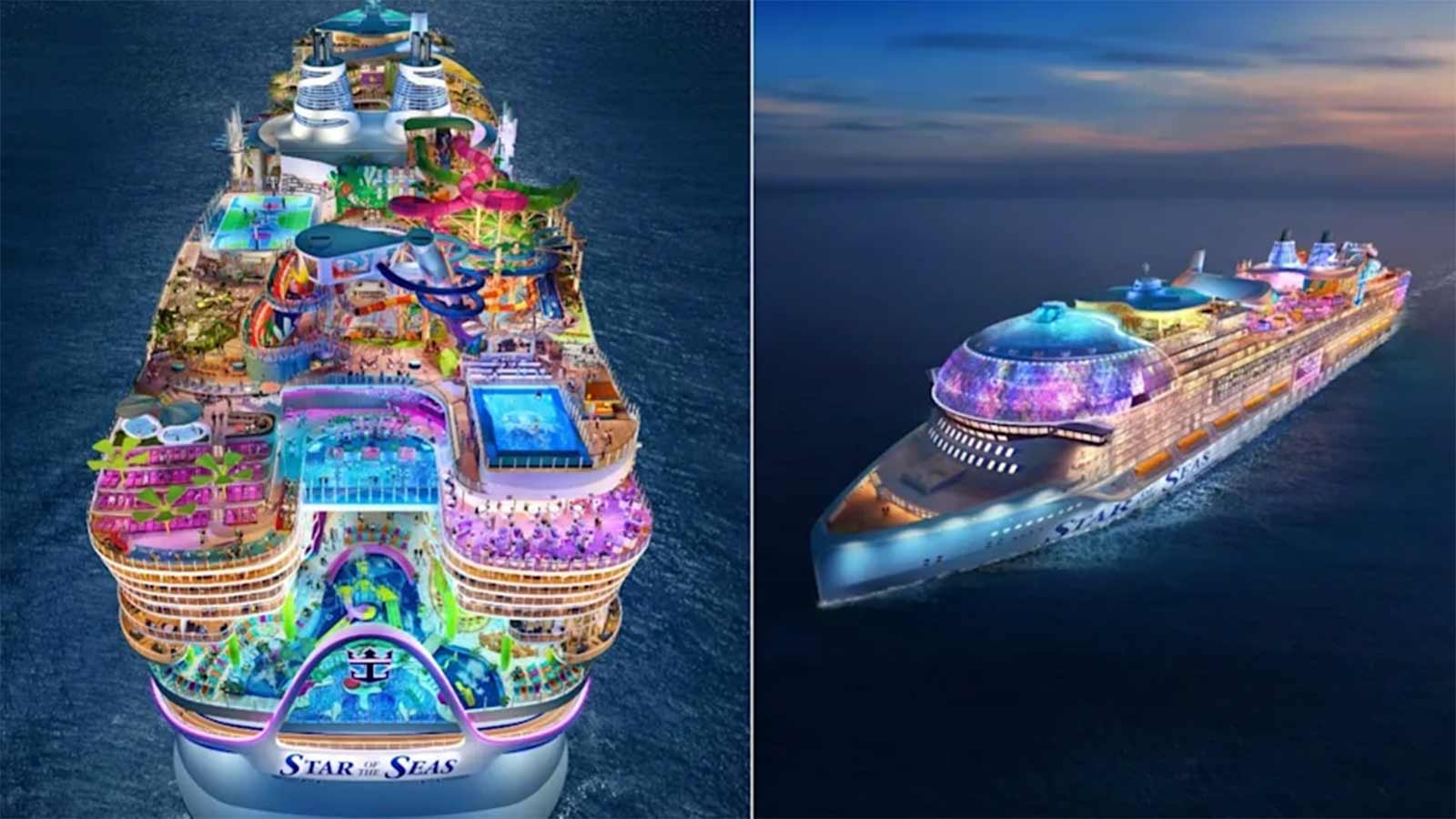
While health and financial concerns dominate the headlines, there’s also cause for celebration in the world of cruise innovation. In 2025, Condé Nast Traveler readers crowned Princess Cruises’ new Sun Princess as the No. 1 mega ship in the annual Readers’ Choice Awards—outshining competitors like Royal Caribbean, Norwegian, and MSC Cruises.
The Sun Princess, with a capacity of 4,300 passengers, features more than 30 restaurants and bars, celebrity chef collaborations, and unique entertainment experiences such as the Spellbound by Magic Castle craft cocktail show. Its innovative design—highlighted by an all-glass geodesic dome and a central, light-filled Piazza—has drawn praise for blending luxury, comfort, and a sense of spectacle. The ship sails Mediterranean itineraries in summer and Caribbean routes in winter, departing from Barcelona and Fort Lauderdale.
Princess Cruises President Gus Antorcha called the recognition “humbling and motivating,” reflecting the brand’s push to deliver next-generation experiences. The company is expanding its fleet, with the Star Princess set to debut in November, promising even more choice for travelers seeking a grand sea adventure.
Other mega ships recognized include MSC’s Fantasia and Meraviglia Plus Class ships, Norwegian’s Encore and Bliss, and Royal Caribbean’s Icon Class series. Norwegian, in a bold move, has ordered four 8,000+ passenger ships set to launch between 2030 and 2036, signaling a future where bigger may mean better—at least in terms of amenities and variety.
Should You Cruise in 2025? Navigating Risks and Rewards
With the excitement of new ships comes the reality of ongoing health and cost challenges. The Norovirus outbreaks of 2025 have forced cruise lines and passengers alike to rethink safety. Health experts urge travelers to wash hands frequently, use sanitizer, avoid buffets, and stay isolated if feeling unwell. Cruise lines are stepping up with enhanced cleaning, faster isolation protocols, and improved medical surveillance, but outbreaks remain a persistent threat.
Meanwhile, the financial landscape continues to shift, with hidden fees and service charges making budgeting more complex. Savvy travelers are now advised to read the fine print, factor in extra costs, and set aside contingency funds for unexpected charges.
And yet, the appeal of cruising endures. Mega ships like Sun Princess promise unforgettable experiences, from gourmet dining to Broadway-style shows, all set against the backdrop of exotic destinations. For many, the lure of adventure outweighs the risks—especially if they’re prepared, informed, and cautious.
In the end, the cruise industry’s 2025 story is one of adaptation and resilience. Whether grappling with viral outbreaks, navigating shifting fee structures, or vying for the title of best mega ship, cruise lines are evolving in real time. For travelers, the message is clear: do your homework, stay vigilant, and decide if the magic of the sea is worth braving the headwinds.
Based on the facts, 2025 is a pivotal year for cruising—where health safety, financial transparency, and ship innovation collide. Passengers must weigh the risks of Norovirus and rising fees against the promise of world-class amenities and adventure. The industry’s response to these challenges will shape the future of sea travel, making vigilance and adaptability essential for anyone setting sail.