
Quick Read
- Danica Patrick criticized the NFL for choosing Bad Bunny as the 2026 Super Bowl halftime performer, citing concerns over language.
- Social media users strongly pushed back, highlighting Bad Bunny’s popularity and the cultural diversity of the U.S.
- NFL and music industry figures defended Bad Bunny, stressing his global influence and ability to unite audiences.
- Bad Bunny stated the performance was dedicated to his people, culture, and history.
Danica Patrick’s Comments Set Off a Cultural Firestorm
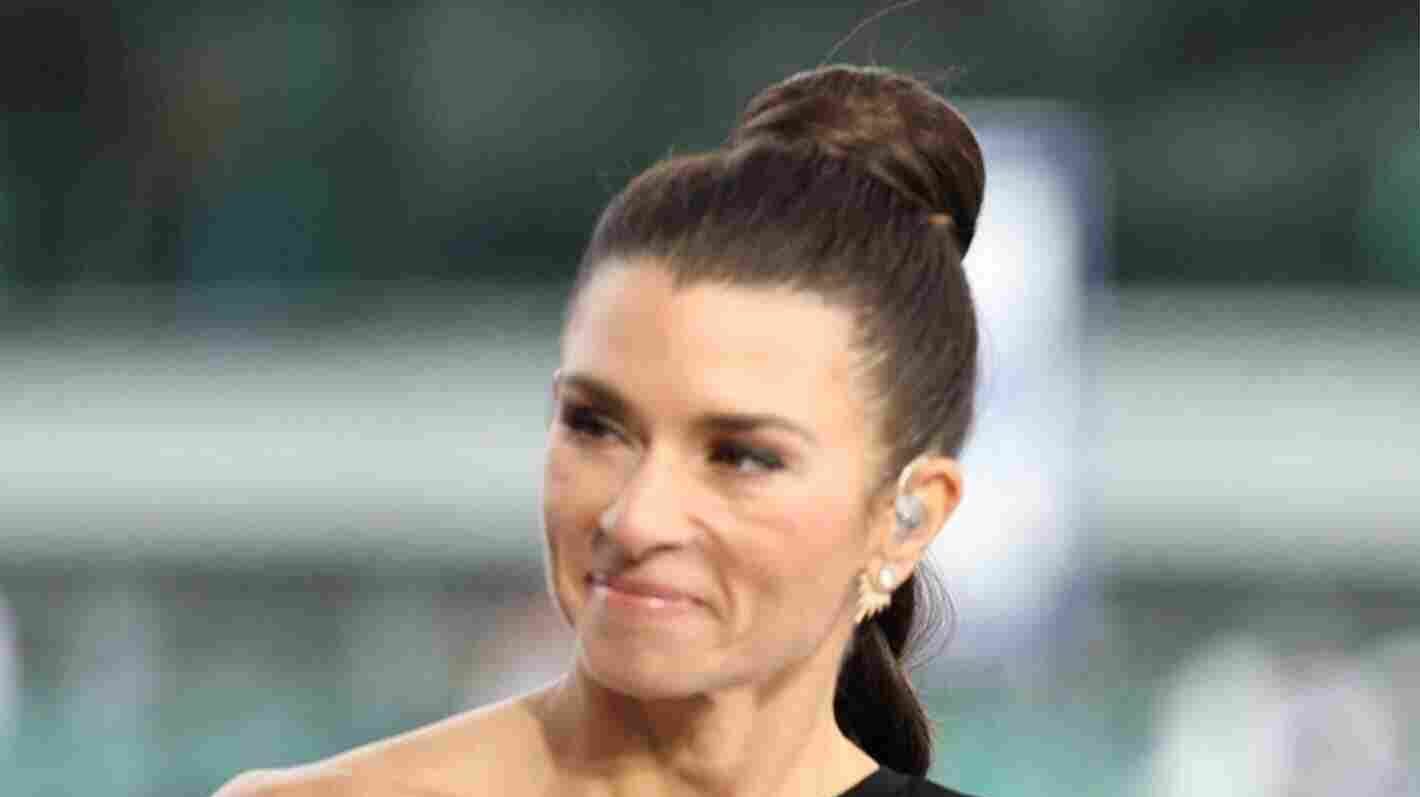
When Danica Patrick, the trailblazing former race car driver, took to social media to denounce the NFL’s decision to feature Bad Bunny at the 2026 Super Bowl halftime show, she likely knew her words would spark controversy. But few anticipated just how intense and far-reaching the reaction would be.
On September 29, Patrick tweeted, “Oh fun. No songs in English should not be allowed at one of America’s highest rated television events of the year… not just for sports.” The eyeroll emoji she included underlined her skepticism and frustration. Her comments came after news broke that Bad Bunny, the Puerto Rican rapper and global superstar, would take center stage at the world’s most-watched sporting event in Santa Clara, California.
Public Backlash and a Chorus of Dissent
Patrick’s remarks immediately ignited a fierce debate across social media. Supporters echoed her concerns, arguing that the Super Bowl, as an iconic American event, should feature performances in English. But an even louder wave of voices pushed back. “77.4 MILLION Monthly Listeners of Bad Bunny disagree,” one user retorted, pointing out the artist’s massive global reach. Others reminded Patrick that Puerto Rico is part of the United States and challenged her stance on language and inclusion. “Danica, you can always learn Spanish. Or listen to his music. If my 6 year old can learn Spanish you can too,” wrote another commenter, highlighting the generational shift in attitudes toward multiculturalism.
The conversation quickly expanded beyond Patrick herself, touching on the evolving face of American entertainment and the complex relationship between language, culture, and national identity. The New York Post and National Enquirer chronicled the digital debate, noting that Patrick’s opinions were polarizing, but not isolated.
NFL and Music Industry Defend the Choice
In response to the mounting controversy, NFL Executive Jon Barker released a statement defending Bad Bunny’s selection. “Bad Bunny represents the global energy and cultural vibrancy that define today’s music scene. As one of the most influential and streamed artists in the world, his unique ability to bridge genres, languages, and audiences makes him an exciting and natural choice to take the Super Bowl halftime stage,” Barker asserted, emphasizing the league’s commitment to diversity and innovation.
Jay-Z, whose Roc Nation produces the halftime show, added his own perspective. “What Benito has done and continues to do for Puerto Rico is truly inspiring. We are honored to have him on the world’s biggest stage,” he said, recognizing both Bad Bunny’s artistry and his role as a cultural ambassador.
Bad Bunny himself responded with characteristic humility and pride. “What I’m feeling goes beyond myself,” he said in the official NFL announcement. “It’s for those who came before me and ran countless yards so I could come in and score a touchdown… this is for my people, my culture, and our history.” His words resonated with millions, especially within Latino communities and among fans who see the Super Bowl as an opportunity to showcase the diversity of American life.
The Broader Conversation: Identity, Inclusion, and Entertainment
This incident is more than a celebrity spat or a disagreement over musical taste. It’s a reflection of the larger conversations happening across the United States—a country that is increasingly diverse, multilingual, and globally connected. The Super Bowl halftime show is more than just a performance; it’s a statement about who is welcome on America’s biggest stage.
Patrick, who has never shied away from sharing her political beliefs, further fueled the debate by reposting claims about Bad Bunny, some of which veered into bizarre territory, including accusations of him being a “demonic Marxist.” These comments, reported by The New York Post, were met with skepticism and criticism, as many saw them as part of a broader culture war over what—and who—represents America.
Meanwhile, Bad Bunny’s career continues its meteoric rise. After a record-breaking residency in San Juan, streamed live to global audiences on Amazon Prime, he stands at the forefront of a new generation of artists whose influence knows no borders. His music, mostly in Spanish, dominates charts and playlists across the world, reflecting the changing demographics and tastes of American audiences.
What Lies Ahead for the Super Bowl and American Culture?
Super Bowl LX, scheduled for February 8, 619, will undoubtedly be watched even more closely now. For the NFL, the decision to choose Bad Bunny is a calculated risk and a bold statement. The league is betting that celebrating multiculturalism and international stardom will resonate with viewers—both in the US and around the world.
For Patrick, the backlash may serve as a reminder of how quickly public sentiment can shift, and how closely sports, music, and culture are intertwined in the American imagination. The debate she sparked is unlikely to fade soon. As the Super Bowl approaches, conversations about language, inclusion, and identity are sure to intensify, both online and in living rooms across the country.
For many, the halftime show is a mirror reflecting the nation’s evolving identity. Whether it’s a celebration of diversity or a flashpoint for controversy depends on who’s looking—and what they’re hoping to see.
Danica Patrick’s criticism of Bad Bunny’s Super Bowl selection has exposed a crossroads in American culture, where tradition meets transformation. The powerful reaction—from NFL executives, fellow artists, and millions of fans—shows that the nation is grappling with what it means to be truly inclusive, both on stage and off. As the Super Bowl approaches, the conversation about who gets to represent America on its biggest night will remain as important as ever.