


A Global Call for Recognition and Accountability
As the international community observed the 111th anniversary of the Armenian Genocide on April 24, 2026, a senior US State Department official participated in formal commemorative ceremonies, underscoring the enduring commitment of the United States to human rights and historical accountability. The presence of high-level American representation at these events serves as a significant diplomatic signal, reinforcing the necessity of addressing past atrocities to prevent future cycles of violence in an increasingly volatile geopolitical landscape.
Commemorations Across Borders
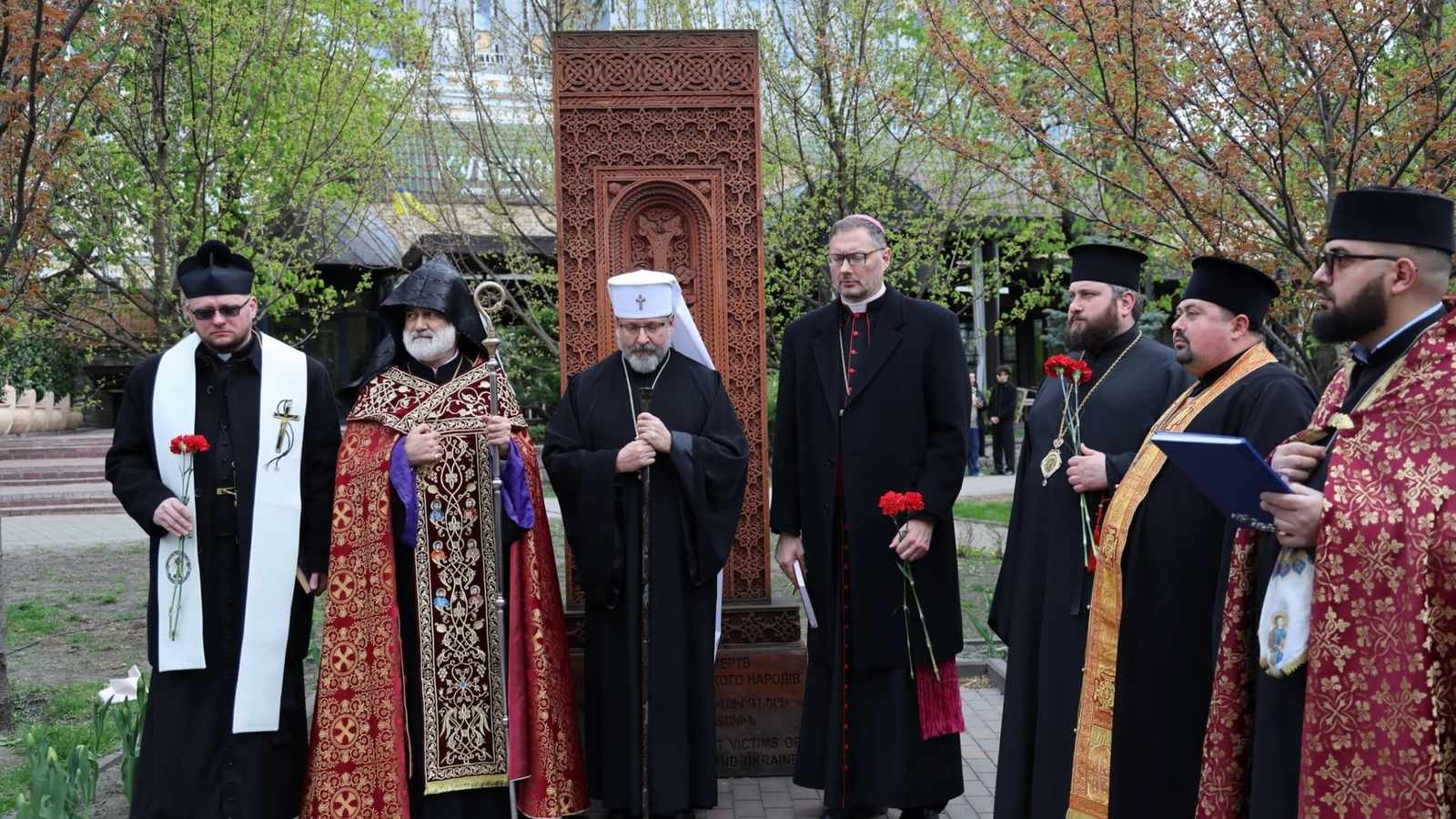
The remembrance efforts spanned multiple continents, reflecting the Armenian Diaspora’s resilience and the growing global recognition of the 1915 events. In Ukraine, despite the ongoing regional security challenges, local Armenian communities, clergy, and diplomatic representatives held solemn ceremonies to honor the victims. These gatherings, ranging from Kyiv to various regional centers, highlighted the importance of preserving historical memory even amidst contemporary existential threats.
Simultaneously, in Europe, diplomatic missions and international delegations, including members of the Armenian delegation to the Parliamentary Assembly of the Council of Europe (PACE), laid wreaths to pay tribute to the 1.5 million victims. These acts of remembrance are not merely symbolic; they represent an institutional insistence on the right to self-determination and safety for all peoples, principles that remain central to liberal democratic values.
Institutional Memory and Future Stability
The discourse surrounding these commemorations has evolved beyond simple historical acknowledgment. Discussions in places like Warsaw, where plans to install a permanent khachkar (cross-stone) monument are underway, illustrate a proactive approach to embedding Armenian history into the cultural fabric of host nations. This integration serves as a democratic bulwark against the denialism that continues to hinder regional reconciliation.
Ultimately, the consistent participation of international officials in these ceremonies reinforces the link between historical justice and current regional stability. By maintaining a firm stance on the recognition of the Genocide, the international community not only honors the victims but also reinforces the institutional frameworks necessary to protect minority rights and ensure that the pursuit of peace is grounded in truth rather than political expediency.