
Quick Read
- The Washington Commanders signed safety Darnell Savage to a one-year deal after multiple injuries depleted their secondary.
- Will Harris suffered a fractured fibula and was placed on injured reserve, sidelining him for at least four games.
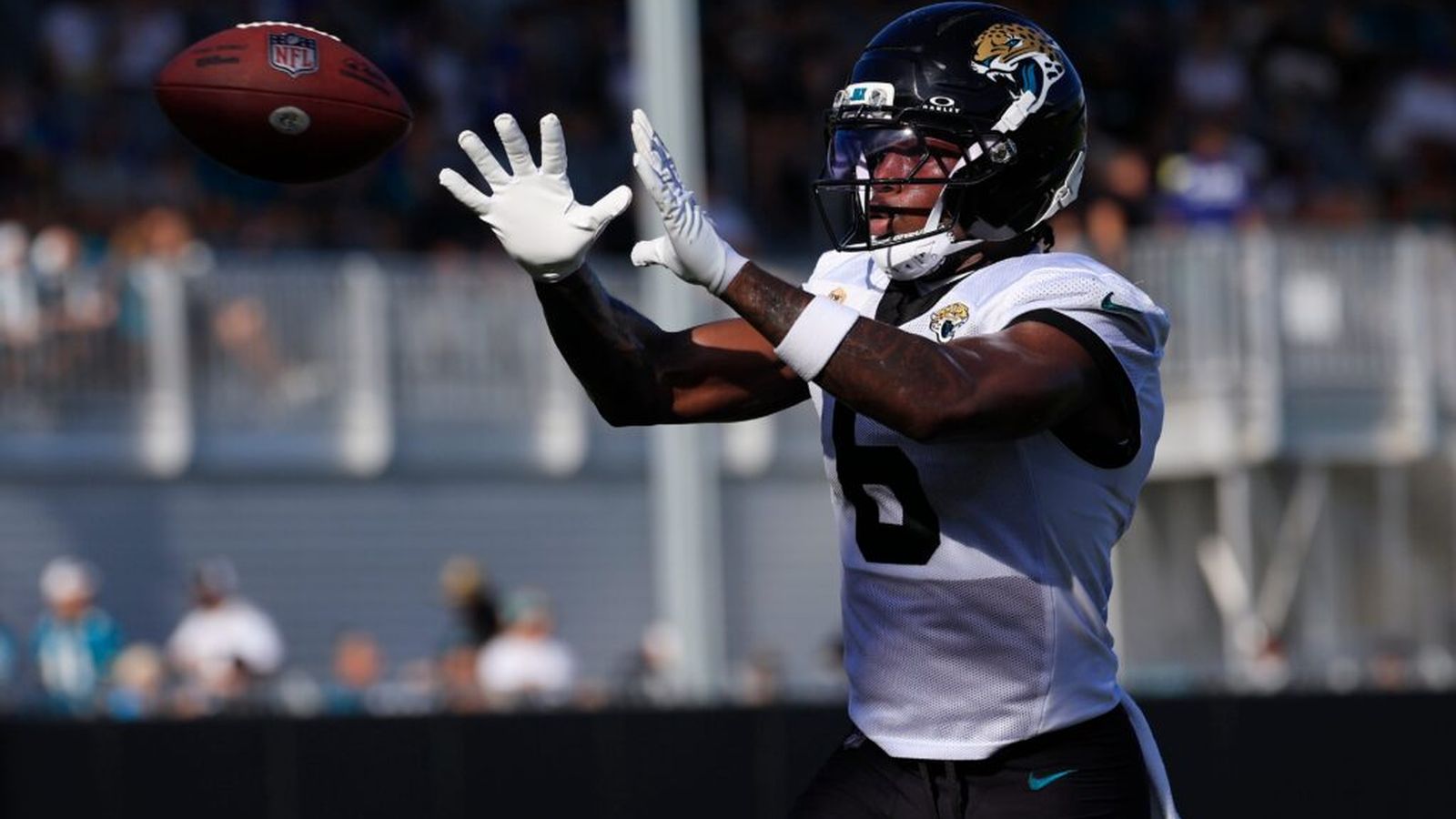
- Savage, a 2019 first-round pick, was released by the Jacksonville Jaguars last week.
- He has started 82 of 87 career games, recording 354 tackles and 10 interceptions.
Commanders Turn to Darnell Savage After String of Defensive Injuries
When the Washington Commanders took the field against the Las Vegas Raiders, their secondary was already feeling the weight of expectation. By the end of the game, it was feeling something else entirely: pain and uncertainty. The Commanders’ 41-24 victory was costly, leaving their defensive backfield battered and short-handed. Within hours, the front office moved swiftly, announcing the signing of veteran safety Darnell Savage—a decision that underscores both urgency and strategy in the face of adversity. (ESPN, The Athletic)
Will Harris’ Injury Forces a Rethink
The pivotal moment came late in the first half. Will Harris, Washington’s top box safety and a mainstay in the secondary, collided with a Raiders running back on a routine play. He remained on the turf, clearly in distress, before jogging off under his own power. Harris tried to return for one final defensive snap but was ruled out for the remainder of the game at halftime. The diagnosis: fractured fibula, a minimum four-week absence, though head coach Dan Quinn expressed cautious optimism about his potential return later in the season. (Commanders.com)
Harris isn’t the only casualty. Percy Butler, a backup safety and key special teams contributor, left the game with a hip injury. The Commanders’ once-deep secondary suddenly appeared alarmingly thin. The injuries didn’t stop there: cornerbacks Trey Amos (calf) and Marshon Lattimore (concussion evaluation) also exited early, leaving the team scrambling to fill gaps with reserve players.
Enter Darnell Savage: Experience and Versatility
For Darnell Savage, the opportunity in Washington marks a fresh start. Just a week prior, the Jacksonville Jaguars released him—a move that reflected new management’s desire to reshape the roster, even at the cost of incurring a significant dead money charge. Savage, still just 28, brings both experience and flexibility. Drafted in the first round by the Green Bay Packers in 2019, he was an immediate starter and fixture in their defense, starting 69 games over five years and collecting nine interceptions in that span.
His path to Washington is lined with familiar faces. Jason Simmons, now the Commanders’ defensive pass game coordinator, was Savage’s position coach during his rookie season in Green Bay. Their prior relationship could prove pivotal as Savage acclimates to a new scheme on short notice.
Savage’s statistical résumé is solid: 354 tackles, 10 interceptions (including a touchdown return), 38 passes defended, and a sack in 87 career games. He also boasts rare athleticism—his 4.36-second 40-yard dash at the 2019 NFL Combine was the second-fastest among all safeties that year. While he spent most of his time at free safety, his ability to play in the box and cover the slot adds a layer of versatility that Washington desperately needs right now. (Pro Football Rumors)
Financial Flexibility, Familiarity, and the Road Ahead
Washington’s front office had the resources to act quickly. With over $28 million in cap space, the financial hurdle for a midseason signing was minimal. Savage’s contract is a one-year deal, a prove-it pact that gives him the chance to reestablish his market value and the Commanders a seasoned hand in the secondary.
The timing couldn’t be more critical. Injuries have mounted across the roster: running back Austin Ekeler is out for the season with a torn Achilles, and key offensive contributors—including quarterback Jayden Daniels and receiver Noah Brown—have also missed time. But it’s the secondary where attrition is most acute. By the fourth quarter against the Raiders, the defensive backfield was nearly unrecognizable, with reserves like Mike Sainristil and Noah Igbinoghene pressed into starting roles.
Savage’s arrival won’t erase the sting of losing Harris or Butler, but it’s a stabilizing move. His history with Simmons offers hope for a quick transition, and his track record suggests he can still make an impact, especially in a unit searching for leadership and cohesion.
Commanders’ Defensive Identity Faces a Test
Last season, the Commanders enjoyed remarkable health in the secondary, a factor that fueled their late-season surge and playoff push. This year, fortune has turned. With three veteran free-agent signings (including Harris and defensive end Deatrich Wise Jr.) now sidelined for extended periods, Washington’s depth is being tested early and often.
The question now: can the defense hold together while the starters recover? For a team that entered the season counting on its secondary as a position of strength, the answer may hinge on how quickly Savage can integrate and whether the next man up is ready for the spotlight.
The stakes are clear. In the NFL, depth can evaporate overnight, and the difference between a playoff run and a lost season is often measured in how teams respond to adversity. With Darnell Savage, the Commanders are betting that a blend of experience, familiarity, and hunger can help weather the storm—at least for now.
Assessment: Washington’s decision to sign Darnell Savage is both pragmatic and shrewd. Injuries have ravaged their secondary, exposing the fragility of even the deepest rosters. In Savage, the Commanders get a player who knows the system, brings proven playmaking ability, and is motivated to reestablish his value. It’s a risk mitigated by circumstance—and one that could define the defense’s resilience this season.