


Career Uncertainty Following LIV Golf’s Demise
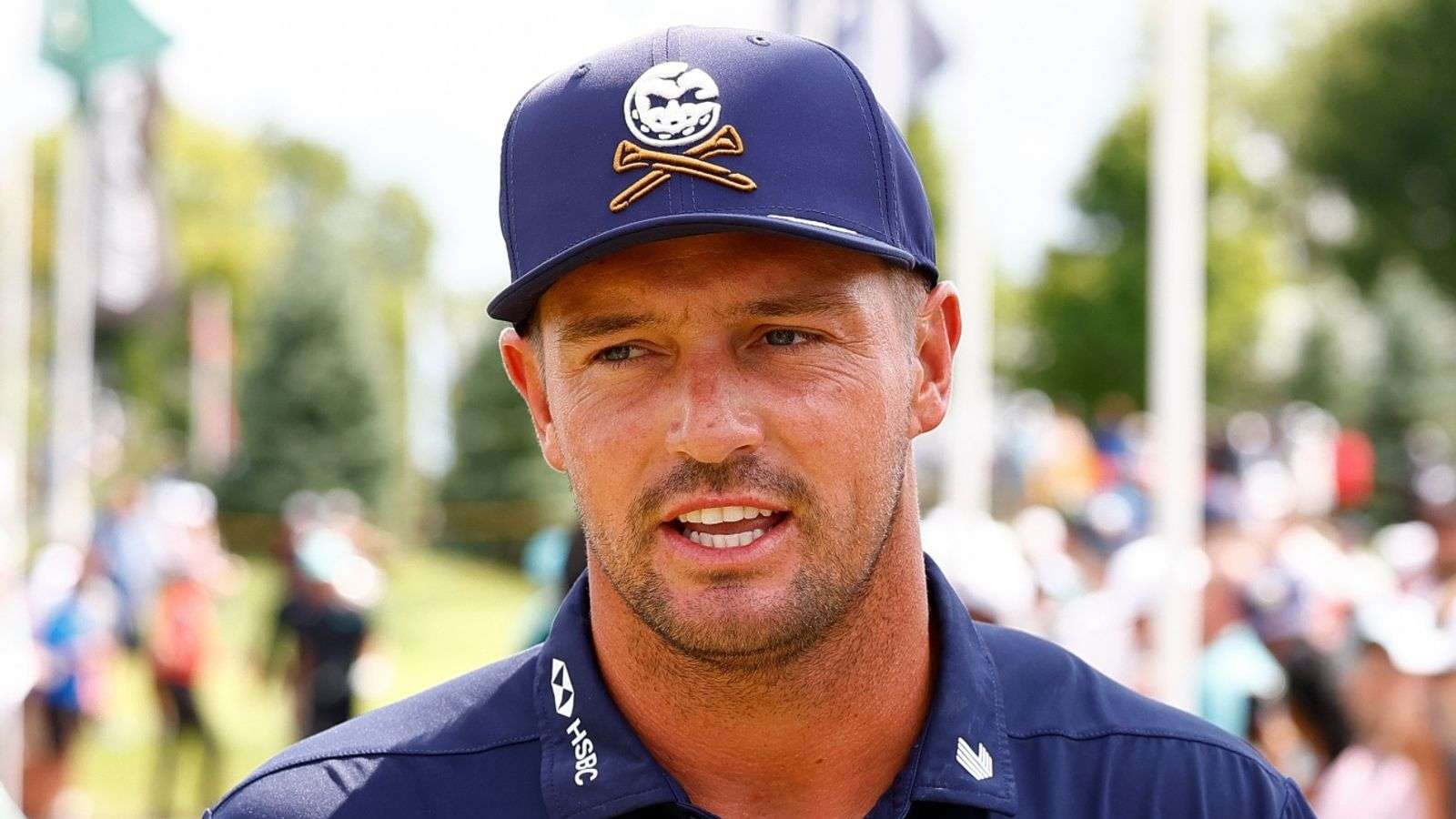
Following the formal liquidation of LIV Golf, two-time major champion Bryson DeChambeau faces a critical juncture in his professional career. On November 8, 2026, analysts and golf figures highlighted that the collapse of the Saudi-backed circuit leaves the American star without his primary competitive home of the past several seasons. DeChambeau released a statement following the league’s winding down confirming that he still believes in team golf and intends to approach his next career phase with humility and respect, though he has not yet clarified his schedule or membership intentions for the 2027 competitive calendar.
The dissolution of LIV Golf concludes a controversial five-year financial experiment in professional golf. While DeChambeau captured the 2024 U.S. Open while playing as an active LIV competitor and secured multiple top-10 finishes in subsequent major championships, his performance in major tournaments declined through the 2026 season as financial instability gripped the breakaway circuit. Having previously floated the prospect of focusing on digital content and YouTube golf if the league failed, DeChambeau now faces mounting professional pressure to reintegrate into traditional competitive pathways.
The Strategic Necessity of Traditional Tours
Former Ryder Cup captain Paul McGinley asserted in Sky Sports coverage that a permanent transition away from exhibition formats and YouTube-centric play toward week-to-week competition is essential for any player aspiring to contend consistently in major championships. McGinley noted that staying away from established platforms diminishes a competitor’s sharpness against the world’s elite players, warning that preparing through non-traditional formats makes the step up to major intensity exceptionally difficult.
According to the analysis, while high-profile defectors initially maintained competitive form during the early stages of LIV Golf, prolonged absence from the PGA Tour and DP World Tour created a noticeable disconnect from major leaderboards. McGinley argued that players ultimately chose the breakaway league for financial security rather than optimal major preparation, observing that returning to traditional tour structures remains the sole viable mechanism to rebuild major-winning form.
DP World Tour Eligibility and Tour Integration
As golf’s landscape reorganizes, DeChambeau holds a pathway back to traditional circuits through his major championship exemptions. He is currently eligible to apply for DP World Tour membership for the 2027 season by virtue of his recent major victories, though he faces a strict November 15 deadline to confirm his status. Other high-profile returnees, including Sergio Garcia, have similarly signaled their intent to rejoin the European circuit.
However, the reintegration of former LIV players presents a delicate balancing act for tour executives. DP World Tour chief executive Guy Kinnings faces institutional pressure from existing members, loyal players, and rising talents who earned their cards through developmental circuits like the HotelPlanner Tour and Q-school. Circuit leadership must weigh the commercial visibility brought by returning major champions against the necessity of preserving stability and developmental pathways for players who maintained loyalty to traditional tours throughout the five-year sporting schism.