
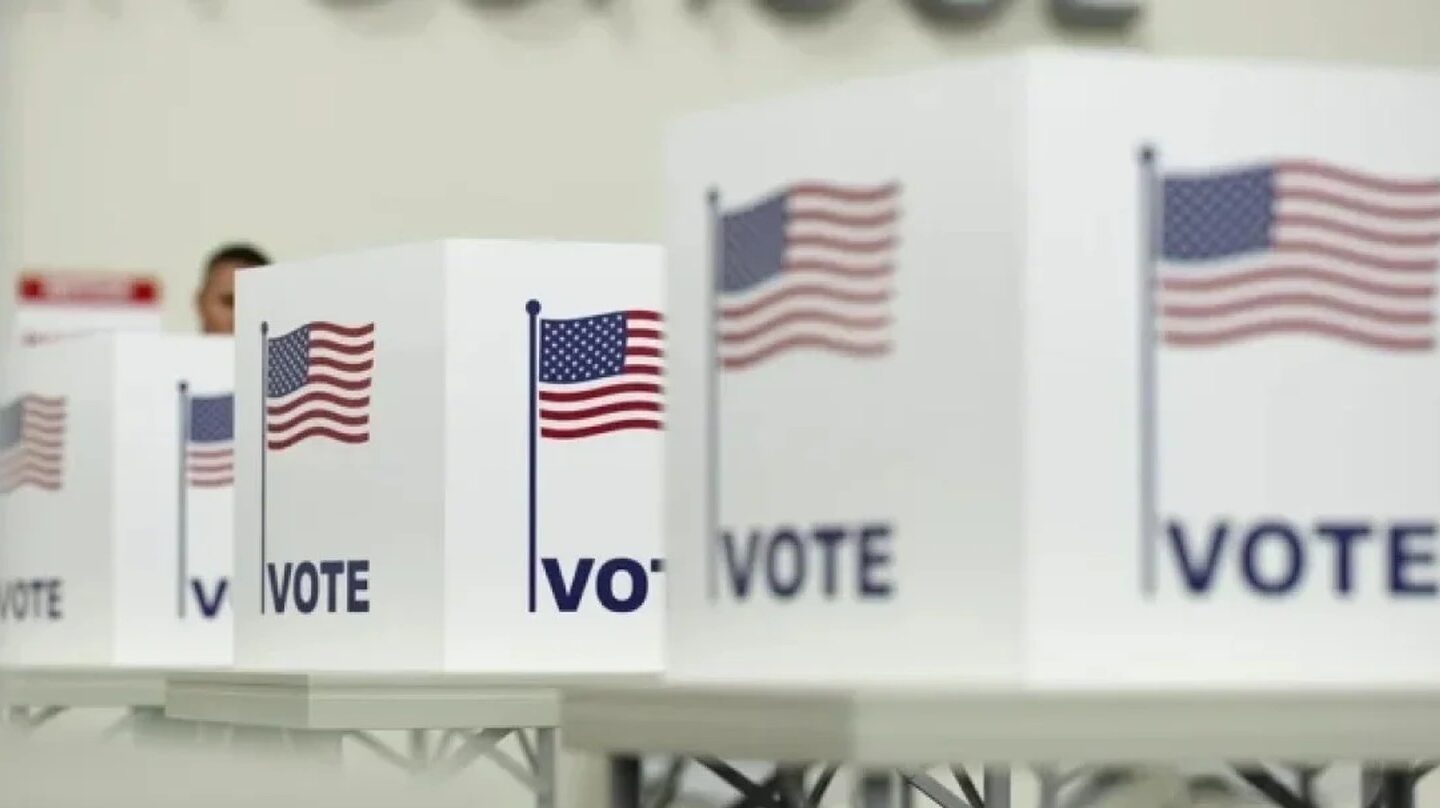
- Prediction markets currently price Democrats as more likely to win control of both the Senate and House in 2026.
- Those market odds are probability signals, not official forecasts, and can move rapidly with new data.
- Polling still shows weak favorability for both major parties, making turnout and issue salience decisive late-cycle variables.
NEW YORK (Azat TV) – Prediction markets currently price Democrats as more likely to win control of both the U.S. Senate and House in the 2026 midterm elections, but those prices should be read as probability snapshots rather than election outcomes. The signal matters because it reflects aggregate expectations, yet it remains highly sensitive to fresh polling, fundraising shifts, candidate quality, and turnout assumptions.
How Prediction Markets Frame the Midterm Outlook
Infinity Hedge market pricing points to a Democratic edge for chamber control at this stage of the cycle. Such pricing can be useful for momentum tracking because it updates quickly as participants reprice political risk.
Why Polling Still Complicates the Story
Recent national polling presents a mixed picture. NBC News polling has shown weak favorability for both major parties, while other surveys report broad dissatisfaction with congressional performance. Even with those negatives, Democrats have held periodic advantages in generic congressional-ballot framing.
Issue Mix Remains the Real Decider
Economic trust has narrowed between parties in some polling, while border and immigration questions continue to favor Republicans in others. Religion, cultural alignment, and enthusiasm asymmetry also remain high-impact variables that can swing close races.
What to Watch Over the Next Two Quarters
Watch for whether market pricing and generic-ballot polling converge or diverge further. If they diverge, the likely driver will be turnout expectations and district-level candidate performance rather than national party branding alone.
The key context is divergence: market pricing currently favors Democrats for chamber control while broad party approval remains weak across the board, leaving substantial room for sharp repricing as campaign fundamentals harden.