


The Evolution of Digital Fraud
In an era where digital platforms serve as the primary gateway for financial engagement, the rise of sophisticated, borderless Ponzi schemes has reached a critical inflection point. The Enforcement Directorate (ED) of India recently executed a significant enforcement action, provisionally attaching assets valued at Rs 1.06 crore linked to the ‘Global Media App’—a fraudulent platform that utilized the facade of passive income generation to siphon over Rs 45 crore from unsuspecting investors. This case highlights a disturbing trend: the transition from traditional, localized investment fraud to complex, multi-jurisdictional digital operations.
Anatomy of the ‘Global Media App’ Scam
Operating between June and October 2022, the ‘Global Media App’ functioned by promising daily returns and referral bonuses to users who invested in ‘VIP membership’ tiers. The platform’s lure was deceptively simple: users were paid to watch videos, a task that provided a veneer of legitimacy to an otherwise hollow financial structure. When the perpetrators abruptly shut down the platform in October 2022, they absconded with the entirety of the collected funds.
Investigations conducted by the ED’s Shillong Sub-Zonal Office revealed a highly technical money-laundering architecture. The operation utilized a labyrinthine network of mule bank accounts and merchant IDs to obfuscate the money trail. Furthermore, the perpetrators leveraged the TRON blockchain to transfer funds in the form of Tether (UST) tokens, routing approximately Rs 2.45 crore through foreign cryptocurrency exchanges to evade detection.
International Dimensions and Regulatory Challenges
A distinctive feature of this case is its clear international nexus. Forensic analysis of communication channels, including Telegram, and the backend registration of the app indicated that the operational control was centered outside of India. Mobile numbers linked to the administration of the scam were traced to Cambodia and Malaysia, and the backend infrastructure was hosted via service providers in Cambodia. This cross-border nature poses a significant challenge to domestic law enforcement, necessitating intense coordination with global digital service providers and crypto-exchanges.
As noted in recent regulatory filings, the ED’s reliance on the Prevention of Money Laundering Act (PMLA) reflects the government’s commitment to dismantling these networks. By coordinating with Google, Telegram, and international financial institutions, the agency has demonstrated that even obfuscated blockchain transactions are subject to scrutiny. However, the speed with which these platforms can be deployed and dismantled remains a primary concern for financial regulators worldwide.
Assessment
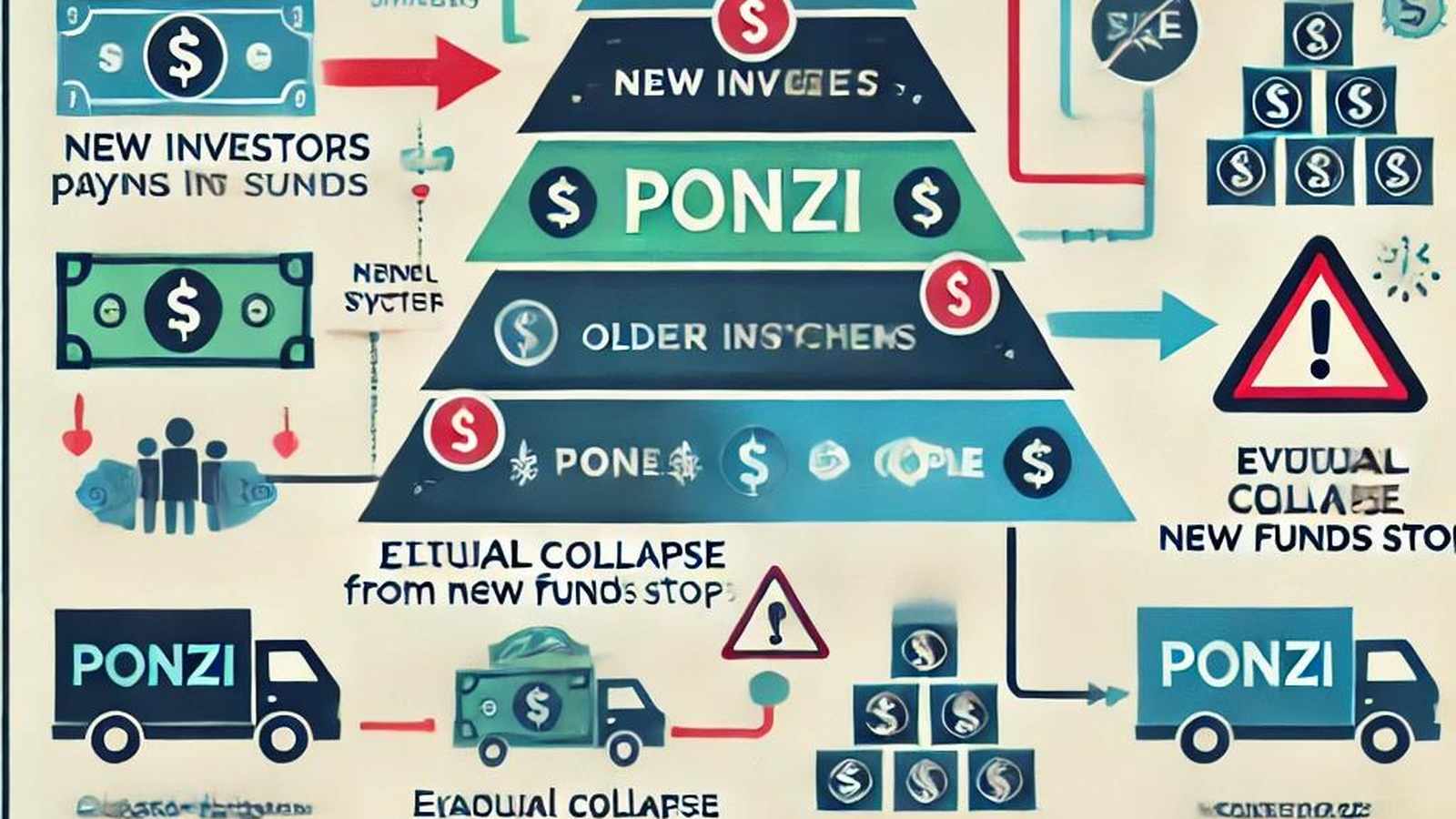
The ‘Global Media App’ case serves as a quintessential example of the modern Ponzi scheme: it is digital-first, international in scope, and utilizes cryptocurrency to facilitate rapid capital flight. While the Enforcement Directorate’s intervention and asset attachment represent a vital step in investor protection, the incident underscores the urgent need for enhanced international cooperation in regulating digital platforms. As fraudsters increasingly exploit the anonymity afforded by decentralized finance and cross-border telecommunications, the burden on individual investors to exercise extreme caution when interacting with ‘high-return’ digital platforms has never been greater.