


A Career-Defining Decision
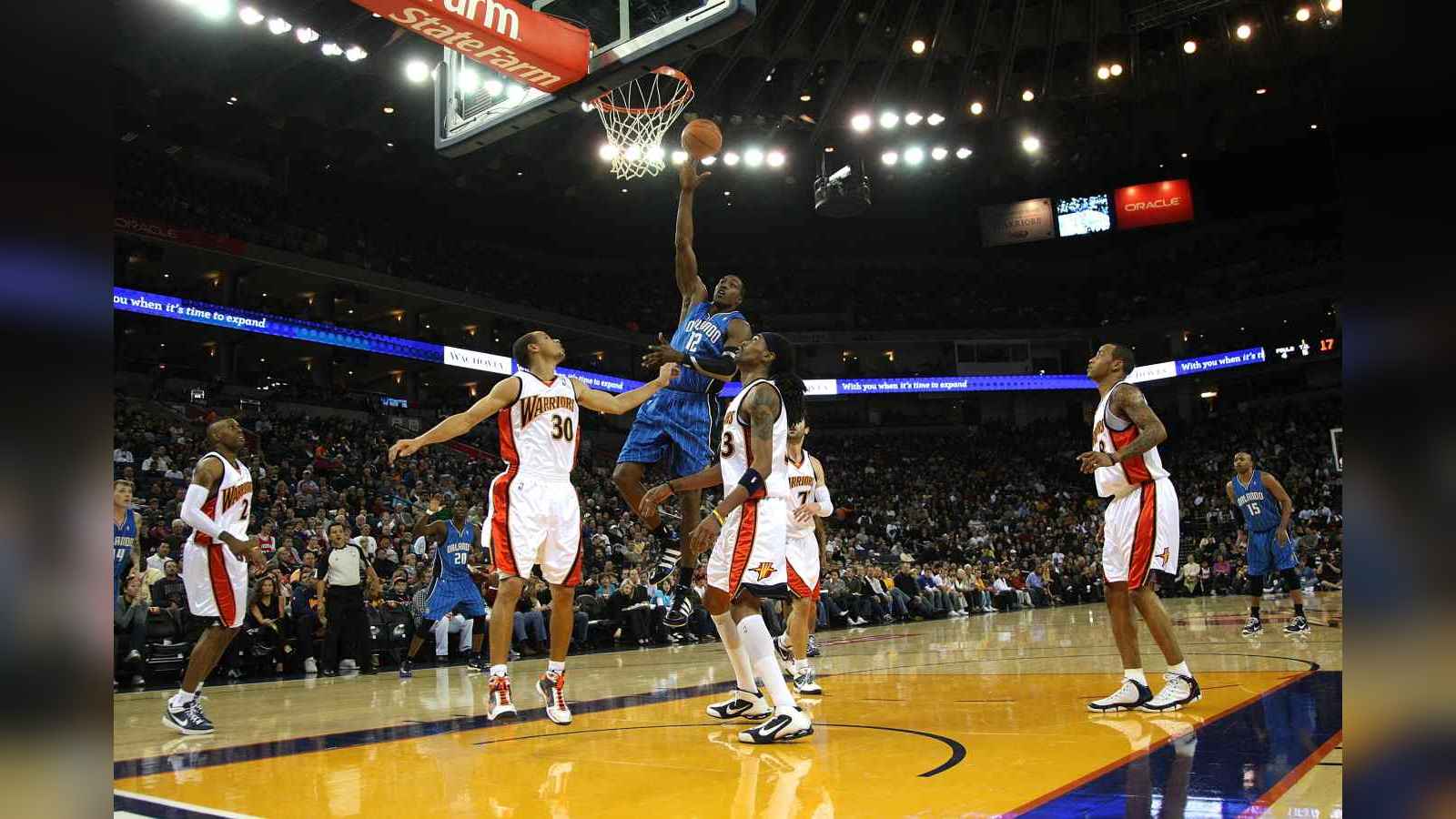
Former NBA center Dwight Howard has publicly expressed profound regret over his role in preventing the Orlando Magic from acquiring Stephen Curry during the 2011-12 NBA season. In a candid appearance on The AM Hoops Show, Howard revealed that the Magic’s front office actively consulted him on the potential move, but he rejected the proposal in favor of pursuing other talent. At the time, Howard was the undisputed face of the franchise, and his influence over personnel decisions was significant. He admitted that his skepticism stemmed from a lack of foresight regarding Curry’s future trajectory, specifically citing his preference for Golden State guard Monta Ellis over the then-developing Curry, who was struggling with recurring ankle injuries.
The admission underscores one of the most significant “what-if” scenarios in modern basketball history. Howard recalled that he pushed for the acquisition of Ellis because the guard was carrying a massive scoring load and logging heavy minutes, which Howard believed would provide more immediate championship utility for the Magic. “I said no because I didn’t know. I didn’t know Wardell Steph Curry was going to be one of the greatest,” Howard stated. His frustration during the interview was palpable, as he reflected on the reality that he had the chance to form a partnership that likely would have altered the competitive landscape of the NBA for years to come.
The Double Missed Opportunity
The 2011 trade inquiry was not the only time Howard had a path to align with the future Golden State superstar. In the summer of 2013, following a turbulent single season with the Los Angeles Lakers, Howard entered unrestricted free agency. He confirmed that he held meetings with several teams, including the Golden State Warriors, who were reportedly prepared to clear significant salary cap space to facilitate his signing. Ultimately, Howard chose to join James Harden with the Houston Rockets, leaving another potential partnership with Curry on the table.
Looking back at the Warriors’ eventual dynasty, which featured traditional centers such as Andrew Bogut and JaVale McGee, Howard questioned how he might have fit into that system alongside Curry and Klay Thompson. The contrast between his career path—which eventually led to a championship with the LeBron James-led Lakers—and Curry’s four-title run with Golden State has clearly left Howard reflecting on the missed synergies. As reported by Heavy, Howard’s admission provides a rare, unfiltered look into the internal decision-making processes of NBA superstars and the long-term, often unintended consequences of their input on front-office strategy.
Contextualizing the 2011 Landscape
To understand why Howard might have passed on Curry, it is necessary to view the 2011-12 season through the lens of the era’s basketball priorities. At that time, the league was heavily reliant on dominant, high-volume perimeter scorers like Monta Ellis. Curry, while showing flashes of brilliance, had not yet undergone the physical transformation or established the shooting consistency that would eventually define his career. His recurring right ankle issues were a major point of concern for teams across the league, making him a risky asset compared to the proven, durable production of Ellis.
The Magic were under immense pressure to capitalize on Howard’s prime. After stringing together several 50-win seasons, the organization was desperate for a secondary star who could push them over the top in the Eastern Conference. The decision to prioritize an established commodity like Ellis over a high-upside prospect like Curry was a common sentiment among many teams at the time. However, in hindsight, the decision serves as a case study in the difficulty of projecting future greatness versus immediate roster needs. Howard’s regret is not merely about a missed trade, but about a fundamental misreading of how the game of basketball was beginning to evolve toward the perimeter-centric style that Curry would eventually master.