
Quick Read
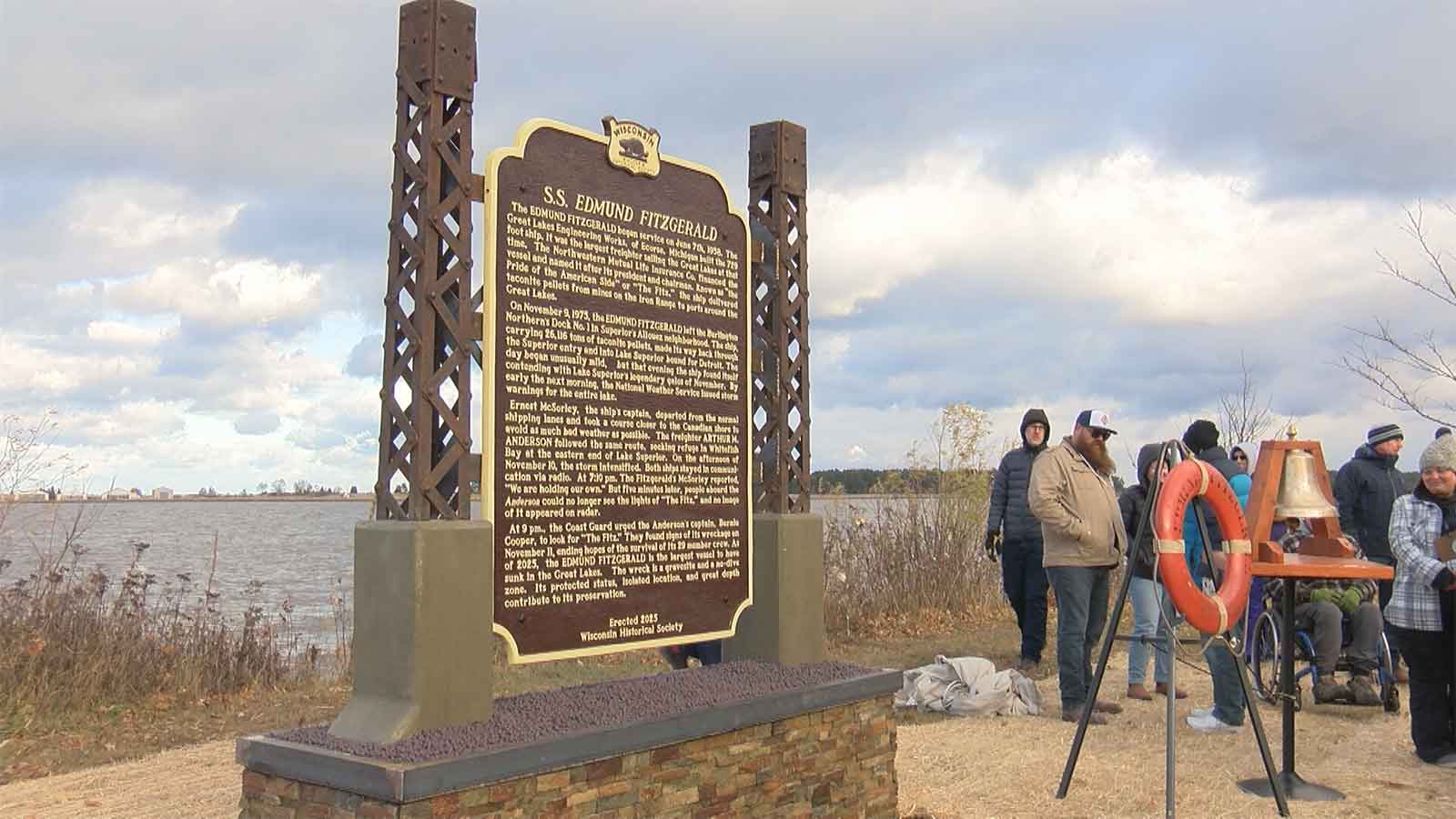
- Superior, Wisconsin unveiled a new Edmund Fitzgerald memorial marker on November 10, 2025, fifty years after the shipwreck.
- The marker features 29 stones, iron ore dock fragments, and taconite pellets to honor each crew member lost.
- U.S. Senator Gary Peters led a bipartisan congressional resolution recognizing the 50th anniversary of the tragedy.
- Gordon Lightfoot’s 1976 ballad continues to keep the memory of the ship and crew alive.
- Annual services in Michigan and Detroit commemorate the lives lost and the ship’s legacy.
Superior Honors the Edmund Fitzgerald: A Community’s Tribute, Fifty Years On
On November 10, 2025, the city of Superior, Wisconsin stood at the water’s edge to unveil a new historical marker—a silent, stone witness to one of the Great Lakes’ most haunting tragedies. The event marked exactly fifty years since the Edmund Fitzgerald, a massive iron ore freighter, departed Superior’s Burlington Northern Railroad Dock on its final voyage. The ship, and all 29 souls aboard, were lost to Lake Superior’s unforgiving November waters in 1975. Now, half a century later, residents, officials, and families gathered to ensure that neither the crew nor their story would fade from memory.
A Memorial Built by Many Hands, for Many Hearts
“This is for them,” declared Teddie Meronek, a member of Friends of the Fitz, the grassroots group that spearheaded the memorial. For decades, Superior had no public tribute to the Edmund Fitzgerald’s crew. That changed in 2025, thanks to the tireless efforts of four women and a growing chorus of supporters stretching from Detroit to Madison and along Lake Superior’s North Shore. As Jenny Van Sickle, another organizer, explained, “People just reached out and asked how they could help.”
The fundraising goal—$8,000—was met through donations from individuals and local businesses, each eager to be part of the commemoration. But as Superior’s Mayor Jim Paine emphasized, the memorial’s significance reaches far beyond the city limits. “This is a recognition of the service and sacrifice of those who sail the Great Lakes,” Paine said. “It’s about making sure that this story is preserved as one generation passes it on to the next.”
Symbolism Etched in Stone and Steel
The new marker isn’t just a plaque; it’s a tapestry of meaning woven from the region’s history. Twenty-nine stones flank the memorial, each representing a crew member lost that night. Fragments of an iron ore dock support the structure, echoing the Fitzgerald’s purpose. And taconite pellets—the very cargo the ship carried on its doomed voyage—rest below, bridging past and present in tangible form.
“It takes in the elements of the ore docks, the color of the boat, and the rock around Lake Superior,” Meronek explained. “All of it has a meaning.” The memorial’s placement on the lakeshore invites visitors to pause and reflect, as the waves whisper stories of loss, resilience, and remembrance.
National Recognition and the Enduring Legacy
The local memorial is just one facet of a broader effort to honor the Edmund Fitzgerald and its crew. U.S. Senator Gary Peters of Michigan led a bipartisan resolution in Congress recognizing the tragedy’s 50th anniversary. “I’m proud to help lead this resolution,” Peters said. “Major reforms were made after the shipwreck to improve safety in Great Lakes shipping. Fifty years later, the legend of the Edmund Fitzgerald lives on.”
The resolution, co-sponsored by Senators Todd Young and Amy Klobuchar, acknowledged not just the loss, but the lasting impact on maritime safety. In the wake of the disaster, new protocols and technologies were adopted to better protect ships and sailors against the Great Lakes’ notorious storms.
Annual services continue to be held at the Great Lakes Shipwreck Museum in Whitefish Point, Michigan, and at the Mariners’ Church of Detroit, offering spaces for collective mourning and reflection. These ceremonies, alongside the new marker in Superior, keep the memory of the Fitzgerald vivid in the hearts of maritime professionals, families, and enthusiasts.
The Song That Became a Legend
No account of the Edmund Fitzgerald is complete without mention of Gordon Lightfoot’s iconic ballad, “The Wreck of the Edmund Fitzgerald.” Released in 1976, the song gave voice to the tragedy, immortalizing the ship and its crew in popular culture. Its haunting refrain continues to echo across radio waves and memorial services, ensuring that, as Lightfoot sang, “the legend lives on from the Chippewa on down.”
For many, the song is a bridge to the past—a way to understand not just the facts, but the feelings that rippled through the region and beyond. It has become part of the collective consciousness, a reminder of the power and peril of the Great Lakes.
Why This Story Still Matters
Fifty years may seem like a lifetime. For those who lost loved ones, for maritime communities, and for anyone who has ever watched the storms roll over Lake Superior, the story of the Edmund Fitzgerald remains immediate and raw. The new marker in Superior does more than memorialize the dead; it invites reflection on risk, courage, and the human drive to remember.
As generations gather by the water, the legacy of the Fitzgerald endures—not just as history, but as a living lesson about the value of community, remembrance, and resilience. The collaborative spirit that brought the memorial to life in 2025 is itself a testament to what the ship’s story has come to mean: a symbol of both loss and enduring connection.
Fifty years after its sinking, the Edmund Fitzgerald is not just a lost ship—it’s a touchstone for communities, lawmakers, and families who continue to find meaning in its story. Through memorials, legislation, and song, the tragedy has transformed into a legacy of remembrance and reform, reminding us that the waves of history still shape the shores of today.