

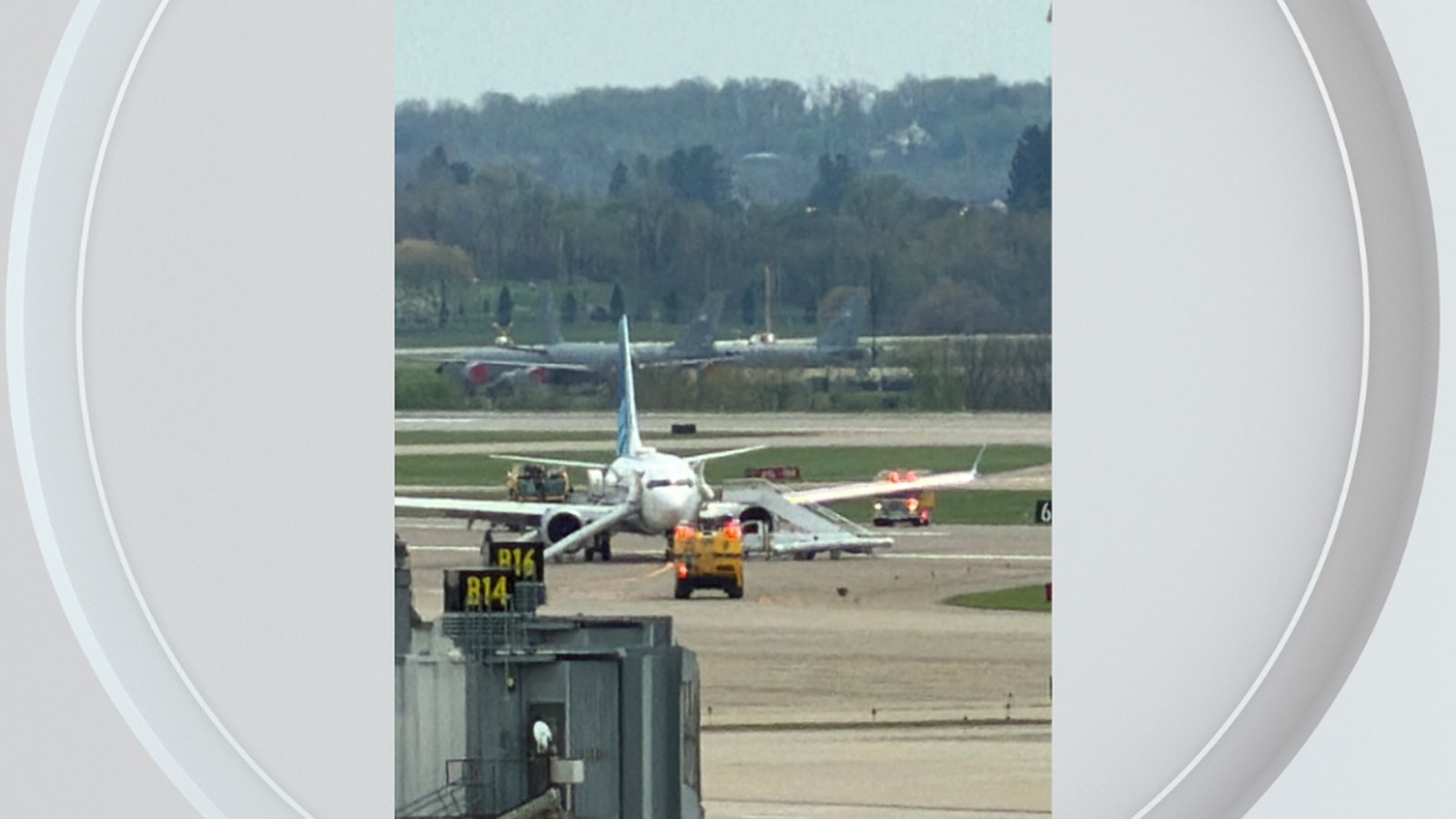
Quick Read
- United Flight 2092 diverted to Pittsburgh after a suspicious beeping sound was reported mid-air.
- Emergency protocols were triggered, leading to a full evacuation of 159 passengers via emergency slides.
- Law enforcement and bomb squads cleared the aircraft, confirming no explosive devices were present.
A routine United Airlines flight from Chicago to New York City turned into a high-stakes security operation on Saturday, April 18, 2026, when Flight 2092 was forced to divert to Pittsburgh International Airport. The decision to ground the Boeing 737 followed a mid-air alert initiated by the flight crew, who reported a persistent and unexplained “beeping” noise on board. Given the current global climate of heightened aviation vigilance, the pilot’s decision to treat the anomaly as a potential explosive threat underscores the rigid, zero-tolerance protocols that govern modern civil aviation.
The Anatomy of an Emergency Protocol
Upon landing, the aircraft was met by local law enforcement and the Allegheny County Police Department’s Explosive Ordnance Disposal (EOD) team. Passengers were evacuated via emergency slides, a standard but dramatic measure designed to clear the aircraft as rapidly as possible in the event of a credible threat. While the subsequent sweep by K9 units and bomb squads yielded negative results, the incident serves as a stark reminder of the immense pressure flight crews face when balancing passenger safety against the logistical and psychological disruption caused by an unidentifiable mechanical or electronic anomaly.
Transparency and Public Trust
In liberal democratic frameworks, the management of such crises requires a delicate balance between immediate security imperatives and the right of the public to receive transparent, timely information. While the FBI and local authorities have officially cleared the aircraft, the lack of immediate clarity regarding the source of the “beeping” leaves a vacuum that can be filled by speculation. For the global traveling public, including the extensive Armenian diaspora who rely on these major transit corridors to connect with Yerevan, such events highlight the vulnerability of international transit hubs. The incident underscores the necessity for airlines to maintain rigorous communication standards; when passengers are forced to undergo emergency evacuations, the subsequent investigation must be as transparent as safety allows to maintain confidence in the transit system.
- Flight 2092 diverted to Pittsburgh after the crew detected an unidentified, sequential beeping noise.
- Emergency protocols were fully activated, including an evacuation via slides for all 159 passengers.
- Law enforcement confirmed that subsequent sweeps of the aircraft and luggage yielded no explosive threats.
Ultimately, the successful resolution of this diversion—with no reported injuries—validates the effectiveness of existing emergency systems. However, the incident also prompts a broader conversation about the technological sensitivity of modern aircraft. As aviation systems become increasingly complex, the threshold for declaring a “potential bomb” threat must remain high, yet never so high as to compromise the safety of those on board. For the aviation industry, the challenge remains to refine these diagnostic processes to distinguish between mechanical malfunctions and genuine security threats, ensuring that safety protocols remain a protective shield rather than a source of unnecessary systemic trauma.