
Quick Read
- Rumors of the Eiffel Tower’s demolition in 2026 began with a satirical article.
- No official body has confirmed any plans to demolish the monument.
- The current closure is due to nationwide labor strikes, not demolition.
- Social media amplified the false claims, causing widespread concern.
Eiffel Tower Demolition Rumors Spark Widespread Concern
It started with a headline that seemed almost too shocking to believe: the Eiffel Tower, Paris’ iconic iron lattice monument, slated for demolition in 2026. The story ricocheted across social media platforms, igniting alarm and indignation among fans of French heritage worldwide. Viral posts cited everything from an expiring operating lease to structural fatigue, high maintenance costs, and a supposed lack of visitors. Some even claimed that complaints from the public had reached a tipping point. But beneath the swirl of outrage and worry, a different truth quietly emerged.
Tracing the Source: Satire Turns Viral
Where did this story originate? A closer look reveals the rumor’s roots in a satirical article published on September 18, 2025, by the Tapioca Times, a website known for parody and fictional news. The piece concocted an imaginary “spokesman” who declared, “We’ve had a good run, it’s been popular for a long time but nobody goes there anymore so we’re shutting it down. It seems like the Internet has finally caught up with us and young kids just don’t want to go to the top anymore.” The article further blamed a supposed decline in attendance on drones “circling the tower” and joked about squirrels, pigeons, and outlandish replacements, including a water slide or a “Paris Burning Man” festival.
As is often the case in today’s digital landscape, satire and fact can become dangerously blurred. Viral posts on platforms like X (formerly Twitter) repeated the satirical claims almost verbatim, stripping away the context and spreading panic. Suddenly, what began as a joke became a trending topic, with thousands questioning the future of one of the world’s most recognizable landmarks.
Official Response: No Plans for Demolition
Despite the fervor, there is no credible evidence to support the claims of imminent demolition. Neither the Société d’Exploitation de la Tour Eiffel (SETE), which manages the tower, nor the City of Paris, nor French heritage authorities have issued any statements suggesting the monument will be dismantled. In fact, officials have repeatedly emphasized the Eiffel Tower’s continued importance to French culture, tourism, and national identity.
“The Eiffel Tower remains a symbol of France and Paris. There are no plans to dismantle or demolish it,” a representative of the Paris City Hall confirmed to Hindustan Times. The monument, completed in 1889 and visited by millions each year, stands as a testament to engineering ingenuity and historical resilience.
Closure Confusion: Strikes, Not Demolition
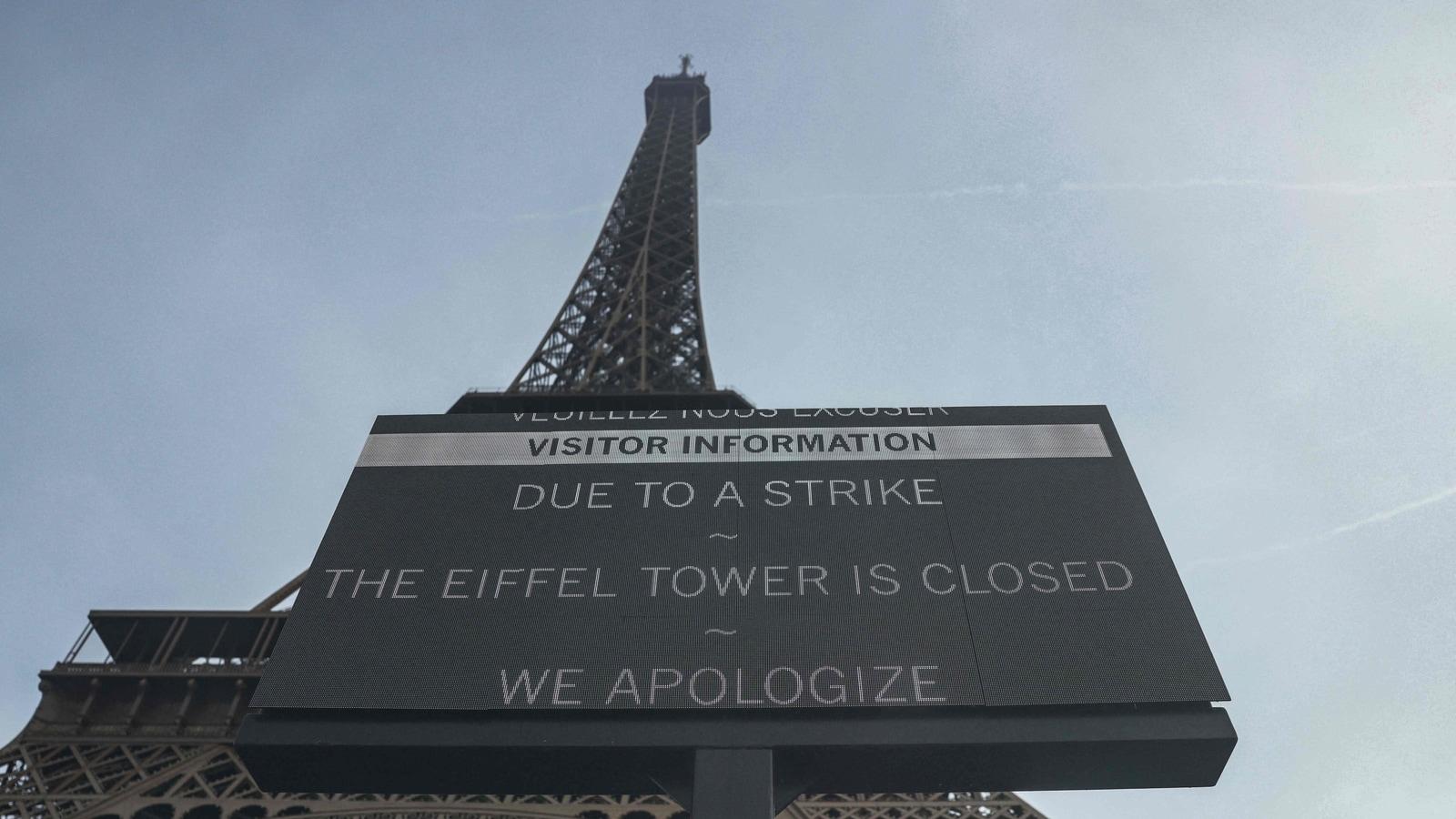
Adding to the confusion, the Eiffel Tower was temporarily closed beginning October 2, 2025. Images circulated of placards at the site reading, “Due to a strike the Eiffel Tower is closed, we apologize.” This closure, however, had nothing to do with demolition or structural issues. Instead, it was the result of nationwide strikes by French unions protesting government spending cuts and advocating for higher taxes on the wealthy.
Labor disputes affected not only the tower’s staff but also other workers across France, causing disruptions at various cultural and public sites. According to Reuters, similar strike-related closures have occurred in previous years, and authorities expect the site to reopen once negotiations conclude. For many, the temporary absence of the Eiffel Tower from Paris’ skyline served as a stark reminder of the monument’s centrality to daily life and the power of collective action.
Why Satire and Social Media Fuel False Narratives
The rapid spread of the demolition rumor highlights a familiar challenge in the digital age: the difficulty of distinguishing satire from reality, especially when stories are stripped of their original context. In the case of the Eiffel Tower, a single parody article snowballed into an international controversy, amplified by the reach of social media and the tendency of users to share sensational news without verifying its authenticity.
Experts warn that such episodes are becoming increasingly common. “Satirical articles are designed to provoke thought or laughter, not to inform policy or public opinion,” noted a media analyst in conversation with Hindustan Times. “But when these stories are repackaged and circulated as fact, they can cause real confusion and anxiety.”
For institutions responsible for safeguarding heritage sites, managing misinformation is now part of the job. SETE and Parisian officials routinely monitor viral posts, issuing clarifications when necessary to protect the reputation and integrity of the city’s monuments.
The Eiffel Tower’s Enduring Significance
While the rumor of demolition proved unfounded, the episode speaks volumes about the enduring power of the Eiffel Tower as a symbol. More than 135 years after its completion, the monument continues to inspire awe, curiosity, and, as recent events show, passionate defense from people around the globe. Its image graces postcards, films, and Instagram feeds, serving as a shorthand for romance, innovation, and the spirit of Paris itself.
“Whenever the Eiffel Tower is threatened—even in jest—it touches a nerve,” said a Parisian tour guide interviewed by Reuters. “It’s not just steel and rivets. It’s memory, hope, and the idea that some things can last.”
For now, the tower remains closed due to labor unrest, not because of any plan to tear it down. When it reopens, crowds will once again ascend its steps, gaze out over the city, and perhaps reflect on the peculiar power of rumors—and the resilience of monuments that have weathered far more than social media storms.
Assessment: The rapid spread of the Eiffel Tower demolition rumor underscores the urgent need for media literacy in an age where satire can quickly morph into perceived reality. While the monument itself remains unthreatened, the episode reveals how easily misinformation can disrupt public understanding and spark unnecessary anxiety. Critical thinking and responsible sharing are now as vital to cultural preservation as physical maintenance of our heritage sites.