


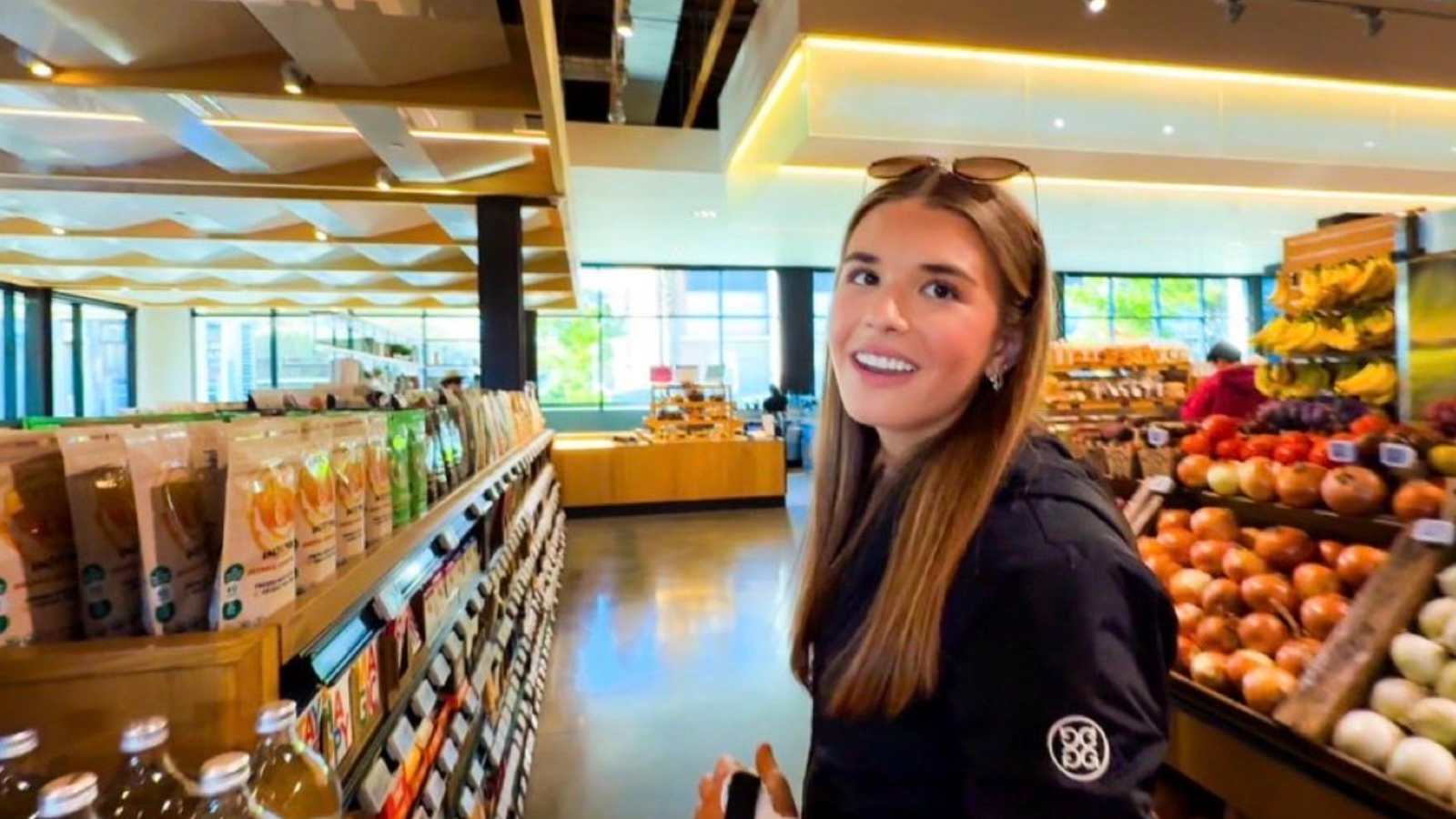
Kai Trump, the 18-year-old granddaughter of President Donald Trump, has become the center of a significant social media firestorm following the release of a YouTube vlog documenting a trip to the high-end Los Angeles grocery store, Erewhon. The nearly 19-minute video, which featured Trump browsing luxury goods and showcasing her Secret Service security detail, has drawn sharp criticism from viewers amid a period of heightened economic anxiety across the United States.
Public Scrutiny Over Luxury Content
The controversy emerged after the video, initially titled “I Brought My Secret Service to Erewhon,” circulated online. In the footage, Trump is seen purchasing items such as a $21 smoothie and a $10 lemonade, eventually tallying a $233 grocery bill. The optics of the excursion drew immediate condemnation from critics who highlighted the stark contrast between her lifestyle and the financial struggles faced by many American families dealing with inflation and the rising cost of living.
The Role of Secret Service in Content Creation
A primary point of contention for social media users was the inclusion of government-funded security personnel in the production of influencer-style content. Critics argued that utilizing the Secret Service to facilitate a shopping trip at an exclusive retailer represents a misuse of taxpayer resources. The backlash was further intensified by a moment in the video where Trump joked about “going bankrupt” while examining a $165 sweatshirt, a remark many viewers deemed insensitive given the economic climate.
Political Polarization and Influencer Responsibility
The incident has sparked a broader debate regarding the public behavior of the political elite and the influence of young family members of high-ranking officials. As the 2026 election season approaches, observers note that such displays of wealth are increasingly being leveraged as visual arguments against the current administration’s economic messaging. While the video remains online, it has been renamed in an apparent attempt to mitigate the negative optics, though the discourse surrounding the event continues to grow on platforms including X and TikTok.
The backlash highlights a widening disconnect between the public sphere and the lives of political figures, where even routine lifestyle content can serve as a flashpoint for deeper societal frustrations regarding wealth inequality and the perceived entitlement of those in the public eye.