
Quick Read
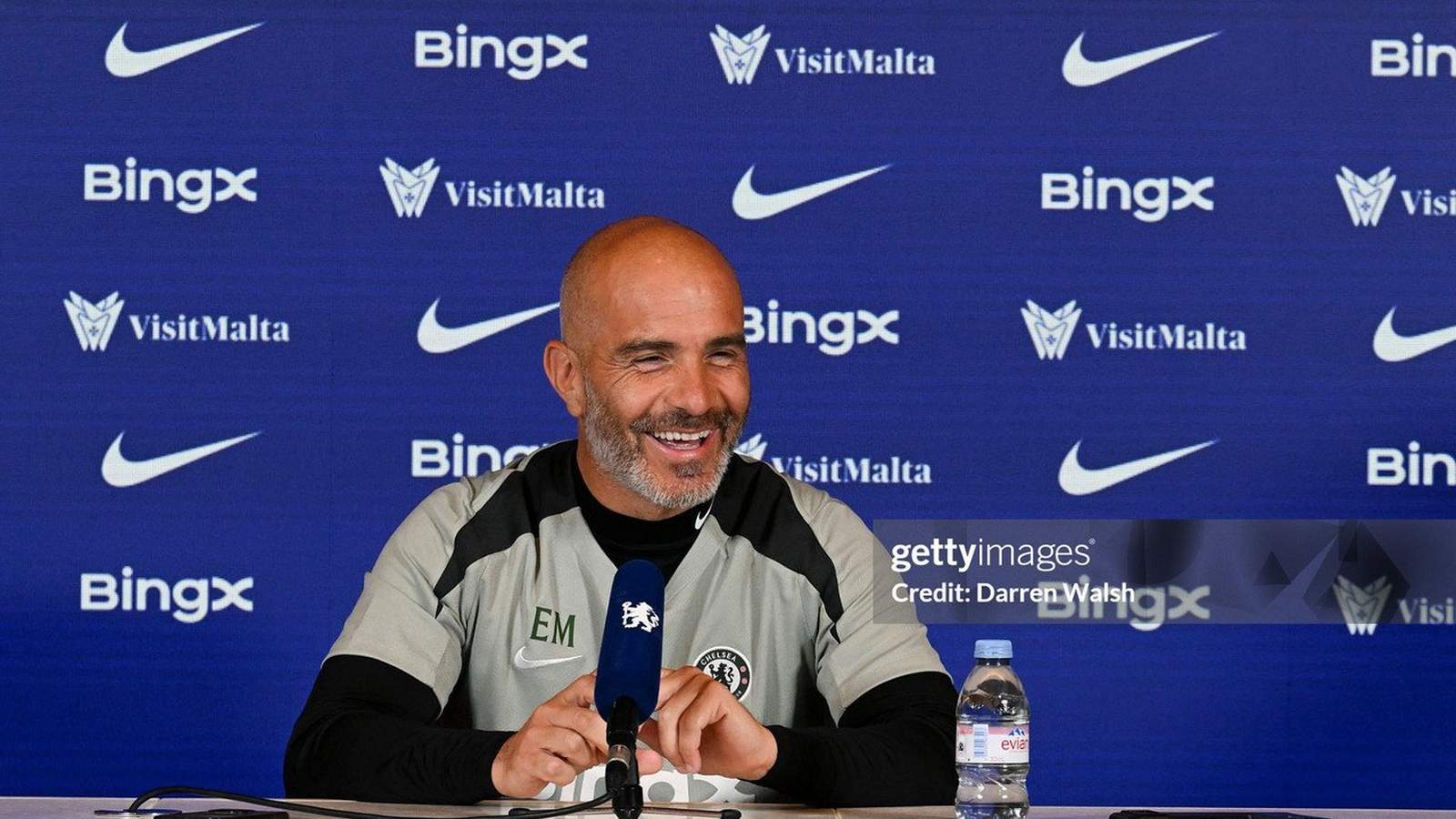
- Chelsea appointed Enzo Maresca in May 2024 for his possession-based tactical style.
- Chelsea’s average possession is 59.7% this season, second highest in the Premier League.
- Discipline issues continue, with six red cards in nine games, including Maresca’s own ban.
- Jamie Gittens and Alejandro Garnacho are competing for the left wing spot; both have impressed.
- Chelsea’s high possession doesn’t always translate to wins, raising questions about attacking efficiency.
Chelsea’s Tactical Evolution Under Maresca: Possession with Purpose?
When Chelsea set out to replace Mauricio Pochettino in May 2024, the club’s leadership sifted through a pool of top managers. The final choice, Enzo Maresca, was not just about reputation—it was about a vision. Maresca, schooled in the Pep Guardiola tradition, brought with him a philosophy rooted in positional play and ball dominance. The feeling around Stamford Bridge was that his style perfectly matched a squad built for technical control and intricate passing. Thomas Frank, another strong candidate, would eventually land at Tottenham after Manchester United passed him over. Now, both managers face each other in high-profile roles, their tactical ideologies set for a Premier League collision.
Frank vs. Maresca: Contrasting Football Philosophies
The duels between Frank and Maresca last season were more than just games—they were chess matches. Frank, known for his pragmatism and direct play, often adapts his setup based on the opposition. His teams excel at set pieces and quick breaks, sometimes ceding possession to wait for the right moment. Maresca, in contrast, rarely compromises his ideals. Chelsea’s average possession this season sits at an impressive 59.7%, second only to Liverpool. But possession alone doesn’t guarantee results.
Tottenham under Frank, meanwhile, aren’t a purely defensive side. They rank seventh in possession, ahead of established clubs like Manchester United and Newcastle. Yet, their best performances have come when they’ve surrendered the initiative—like their Super Cup victory over PSG with a back five, or their counterpressing triumph at Manchester City. For Frank, flexibility is key. For Maresca, it’s about control.
Maresca’s Chelsea: Challenges Beyond the Ball
Despite Chelsea’s high-profile status as world champions and recent Carabao Cup quarter-finalists, their season has been anything but straightforward. Injuries to key players—Cole Palmer and Levi Colwill—have disrupted continuity. The extended Club World Cup campaign threw off pre-season preparations. And while Chelsea have managed four consecutive league wins against Tottenham, fans remain restless.
Supporters voice their concerns: Spurs fans lament their team’s lack of creativity when asked to attack; Chelsea followers complain about the youth, indiscipline, and difficulty breaking down defensive blocks. The numbers tell their own story. If Chelsea lose to Spurs, they could tumble to 12th in the table. Context matters, but so does improvement.
Discipline has been a particular issue. Wednesday’s Carabao Cup win over Wolves saw Liam Delap earn Chelsea’s sixth red card in nine games—an unwanted trend that included Maresca himself being banished from the touchline during the victory over Liverpool. Maresca’s frustration was evident, especially as Delap’s suspension means he’ll miss the trip to Spurs. The Italian manager knows he needs to find a way to make his team more incisive, especially against low blocks that stifle their attack.
Left Wing Dilemma: Garnacho vs. Gittens
One subplot in Chelsea’s evolving story is Maresca’s selection headache on the left wing. Two summer signings, Jamie Gittens and Alejandro Garnacho, have been pushing each other for starts. Gittens has played more often, notching 11 appearances in all competitions compared to Garnacho’s four. Yet both have started five times each, signaling Maresca’s willingness to rotate.
Gittens delivered a standout performance against Wolves, scoring once and assisting twice, putting him ahead of Garnacho, who has just one goal this season. Still, Maresca expressed satisfaction with both players’ adaptation. “They are both doing well. This is what we want from our wingers: score goals and assist, and it’s good to have both doing well so we can choose one or the other,” he remarked in Friday’s press conference (SI.com).
The choice isn’t straightforward. Other players like Tyrique George and Pedro Neto can fill in, but George is currently deployed as a number nine, and Neto is naturally a right winger. That leaves Gittens and Garnacho as the prime candidates for the left flank. With Maresca’s recent penchant for rotation, Garnacho may get the nod to start against Spurs, but his lack of full 90-minute games suggests Gittens could see significant action in the second half.
Possession vs. Penetration: A Tactical Balancing Act
Chelsea’s highest possession figures have not always translated into victories. Last weekend’s 2-1 home defeat by Sunderland was a case in point: 68.4% possession, the highest of the campaign, but a meager xG of 0.97. Sunderland’s switch to a back five left Maresca searching for answers. It’s a pattern—statistics show Chelsea have won just one of the six league games where their possession was at its highest. The risk, as Arsène Wenger once put it, is “sterile domination.” Even José Mourinho’s wry observation—that the team with the ball sometimes plays in fear—seems relevant.
Interestingly, Chelsea’s best performance under Maresca came in the Club World Cup final against PSG, where they had just 33.5% possession. That day, variety was their strength. When Chelsea attack with speed, exploiting space, they are electric. The question now is whether Frank will allow them that freedom. History suggests he won’t: Chelsea punished Tottenham’s previous gung-ho tactics, but Frank may opt for a more cautious approach, perhaps reverting to a back five. Spurs have struggled at home, with just one win in seven league matches, and a record of 13 points from their last 18 home outings—the worst among long-term top-flight teams.
Set pieces could be decisive. Chelsea have conceded from three long throws this season, and with Kevin Danso’s ability to hurl balls into the box, Spurs might look to exploit that weakness. Chelsea have improved offensively from set pieces but remain vulnerable defensively.
The Road Ahead: Pressure, Progress, and Unfinished Business
This weekend’s clash is more than a tactical battle—it’s a test of adaptability and resilience. With key creative players like James Maddison and Dejan Kulusevski missing for Spurs, Mohammed Kudus bears a heavy burden. Xavi Simons, once a Chelsea target, has yet to impress since arriving from RB Leipzig. Spurs’ attack remains predictable and inconsistent, but a defensive approach could halt their four-game losing run against Chelsea and galvanize Frank’s tenure.
For Maresca, the challenge is clear. He must translate possession into penetration, foster discipline, and coax maturity from a talented but youthful squad. The left wing battle between Gittens and Garnacho epitomizes his balancing act: rewarding form while nurturing development.
As Chelsea prepare to face Tottenham, Enzo Maresca stands at a crossroads. His commitment to possession football is under scrutiny, as both results and performances demand greater dynamism and flexibility. The outcome of this tactical duel may not just define a single match—it could shape the narrative of Chelsea’s entire season, highlighting the need for balance between control and creativity. (The Guardian, SI.com)