


The End of Rational Actors
The bedrock of Cold War global security was the doctrine of Mutual Assured Destruction (MAD), a framework predicated on the assumption that all nuclear-armed state actors act rationally. However, recent evidence concerning Hamas’s strategic planning suggests this assumption is increasingly obsolete in an era of asymmetric warfare and messianic ideology. A handwritten document by Hamas leader Yahya Sinwar, recovered by Israeli intelligence and dated August 24, 2022, reveals that leadership was not only aware of a potential Israeli nuclear response to an invasion but viewed such devastation as an acceptable, even strategic, cost.
Sinwar’s notes indicate he anticipated an overwhelming Israeli military reaction, including the theoretical use of nuclear weapons, yet proceeded with the October 7 planning anyway. His logic was rooted in the belief that triggering a catastrophic regional conflagration—involving Hezbollah, Iran, and other proxies—would ultimately lead to Israel’s destruction, regardless of the existential cost to Gaza. This mindset fundamentally diverges from the Cold War model, where the survival of the state was the primary driver of policy.
The Global Context: Diminishing Returns of Nuclear Might
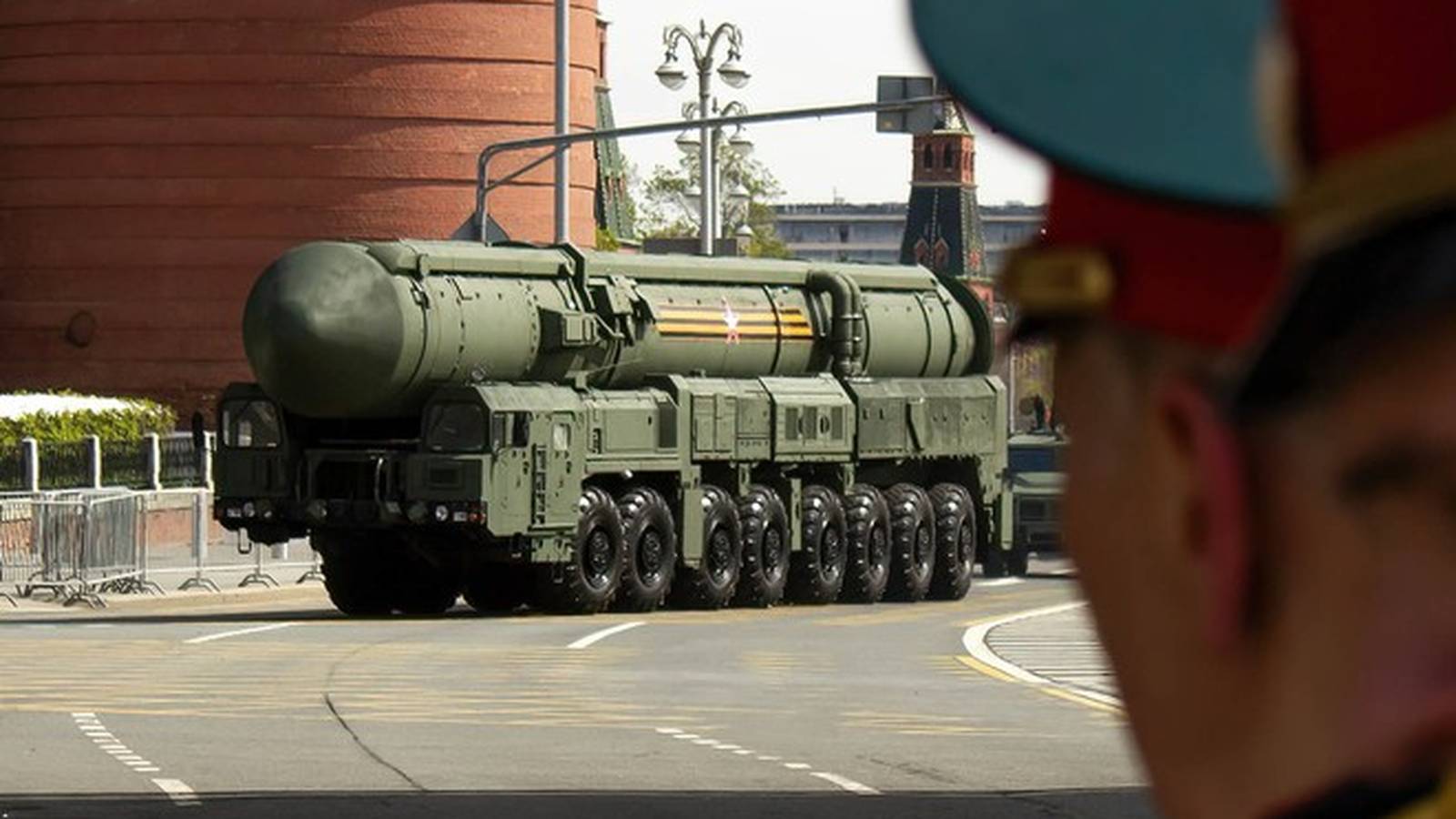
The failure of deterrence is not limited to non-state actors. As noted by geopolitical analysts, major powers like the United States and Russia are grappling with the limits of their nuclear arsenals. Despite the U.S. investing nearly $1 trillion in nuclear modernization, the utility of these weapons in current conflicts remains largely theoretical. In Ukraine and across the Middle East, major powers have demonstrated the ability to inflict massive conventional damage, yet they consistently fail to achieve their broader strategic goals.
The convergence of fanatical, non-state actors who embrace self-destruction and the inability of nuclear powers to translate their arsenals into regional political success suggests a profound shift in global security. If actors like Hamas—and potentially state-sponsored regimes—view their own destruction as a prerequisite for their ideological goals, the traditional levers of international pressure lose their efficacy.
As Israel and the international community process the implications of the Sinwar document, the focus is shifting toward a reality where deterrence is no longer a universal language. The reliance on economic incentives or rational political outcomes as a means of pacifying extremist movements has proven to be a strategic miscalculation, leaving the world to navigate a more volatile and unpredictable security landscape.