

Quick Read
- EES replaces manual passport stamping with biometric facial and fingerprint registration.
- Airports report up to 70% increase in border processing times.
- Travelers on separate tickets face the highest risk of losing flights without compensation.
The Operational Reality of EES
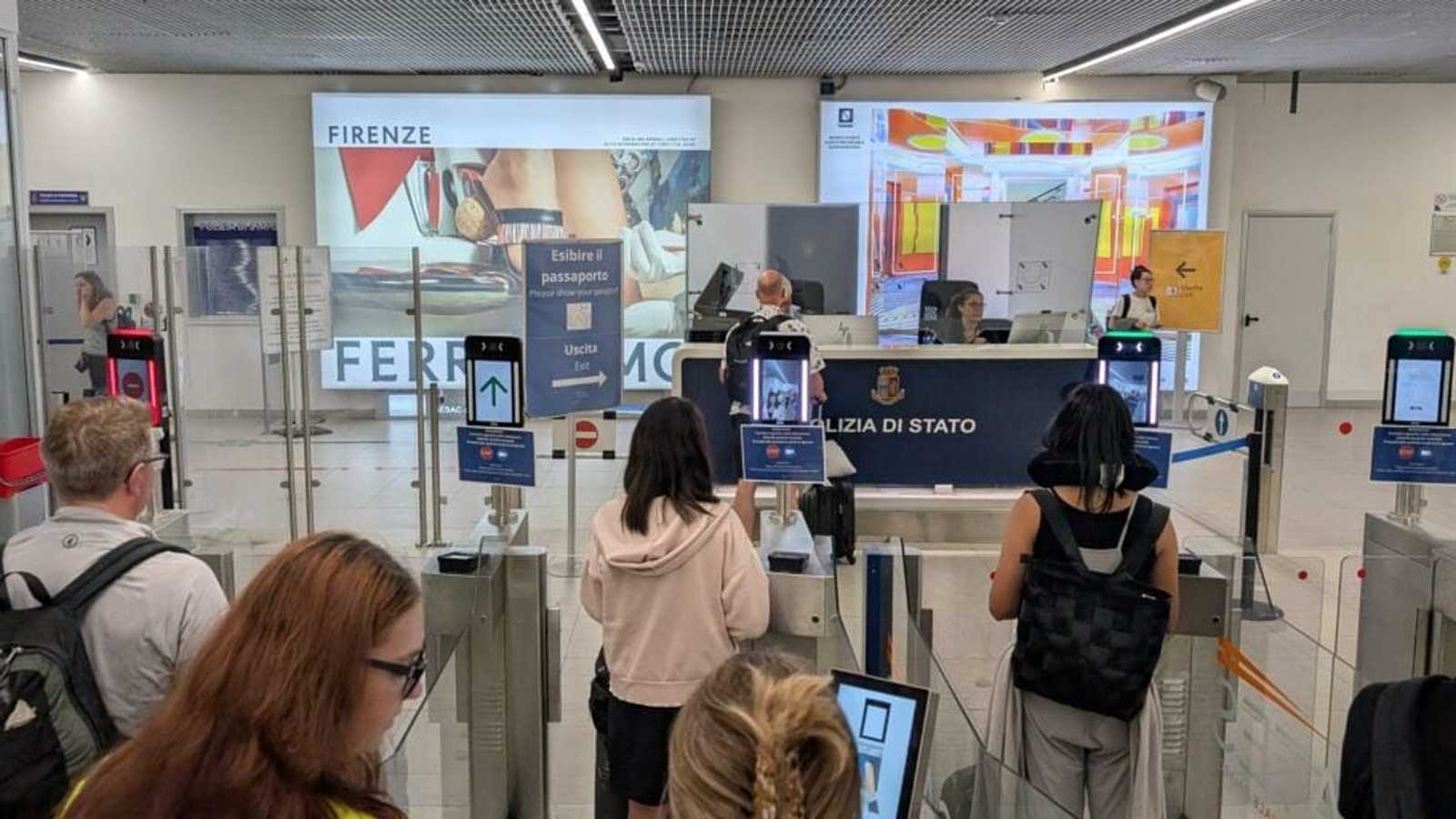
The European Union’s Entry/Exit System (EES), which reached full operational status on April 10, 2026, has rapidly transformed from a high-tech border security initiative into a significant source of operational friction. Designed to replace manual passport stamping with a digitized, biometric-based database for non-EU travelers, the system is currently struggling to maintain passenger throughput at major Schengen hubs. The transition from legacy stamping to mandatory facial recognition and fingerprinting has created acute bottlenecks, particularly at airports such as Amsterdam Schiphol, Paris Charles de Gaulle, and Frankfurt.
Quantifying the Impact on Aviation
The impact of these delays is not merely anecdotal. Recent data from Amsterdam Schiphol—a critical node in the global aviation network—highlights the fragility of airport operations under the new regime. On May 18, 2026, the airport saw 279 departures delayed, a figure exacerbated by the intersection of the new EES requirements and structural operational changes. While airport authorities often attribute these issues to staffing transitions, the underlying reality remains that the time required for biometric enrollment significantly outstrips the pace of traditional manual processing. Airports Council International Europe has noted that border processing times have spiked by as much as 70% during the initial phases of EES implementation.
The Risks of Separate-Ticket Itineraries
For the modern traveler, the risks associated with these delays are compounded by the structure of their itineraries. Passengers traveling on separate tickets—where the second leg of a journey is booked independently of the first—face the highest exposure. Under current EU261 regulations, airlines are typically held responsible for disruptions within their control, but immigration delays are generally classified as force majeure. Consequently, travelers missing connections due to hours-long queues at biometric enrollment kiosks often find themselves without legal recourse for rebooking or compensation. Airlines and travel insurance providers are increasingly signaling that the burden of managing these risks has shifted entirely to the passenger.
Strategic Recommendations for Travelers
As the peak summer travel season approaches, the disparity between the theory of digital efficiency and the reality of airport infrastructure remains stark. Only a handful of nations currently provide any mechanism for advance data submission, leaving the vast majority of travelers to undergo the full registration process upon arrival. Experts advise that passengers should treat the EES transition as a permanent increase in airport lead times, recommending a minimum buffer of three hours for European departures and extended layovers for any itinerary requiring a border crossing into the Schengen zone. Relying on historical transit times is no longer a viable strategy in the current regulatory environment.
The systemic strain caused by the EES rollout underscores a broader challenge for European aviation: the reconciliation of enhanced border security with the realities of high-volume passenger throughput. While the long-term objective of a digitized Schengen perimeter is clear, the current implementation phase suggests a significant period of volatility. Until airports achieve full biometric capacity and passenger behavior aligns with the new time requirements, the aviation sector will likely continue to experience unpredictable, ripple-effect delays that test the resilience of both airline schedules and passenger protections.