


Closing the Regulatory Loophole
The FIA has officially amended the Formula 1 technical regulations for the 2027 season, implementing a total ban on the use of “exhaust wings.” This decision marks the end of a significant aerodynamic arms race that has defined the current season, as teams sought to maximize performance through clever exploitation of tailpipe design.
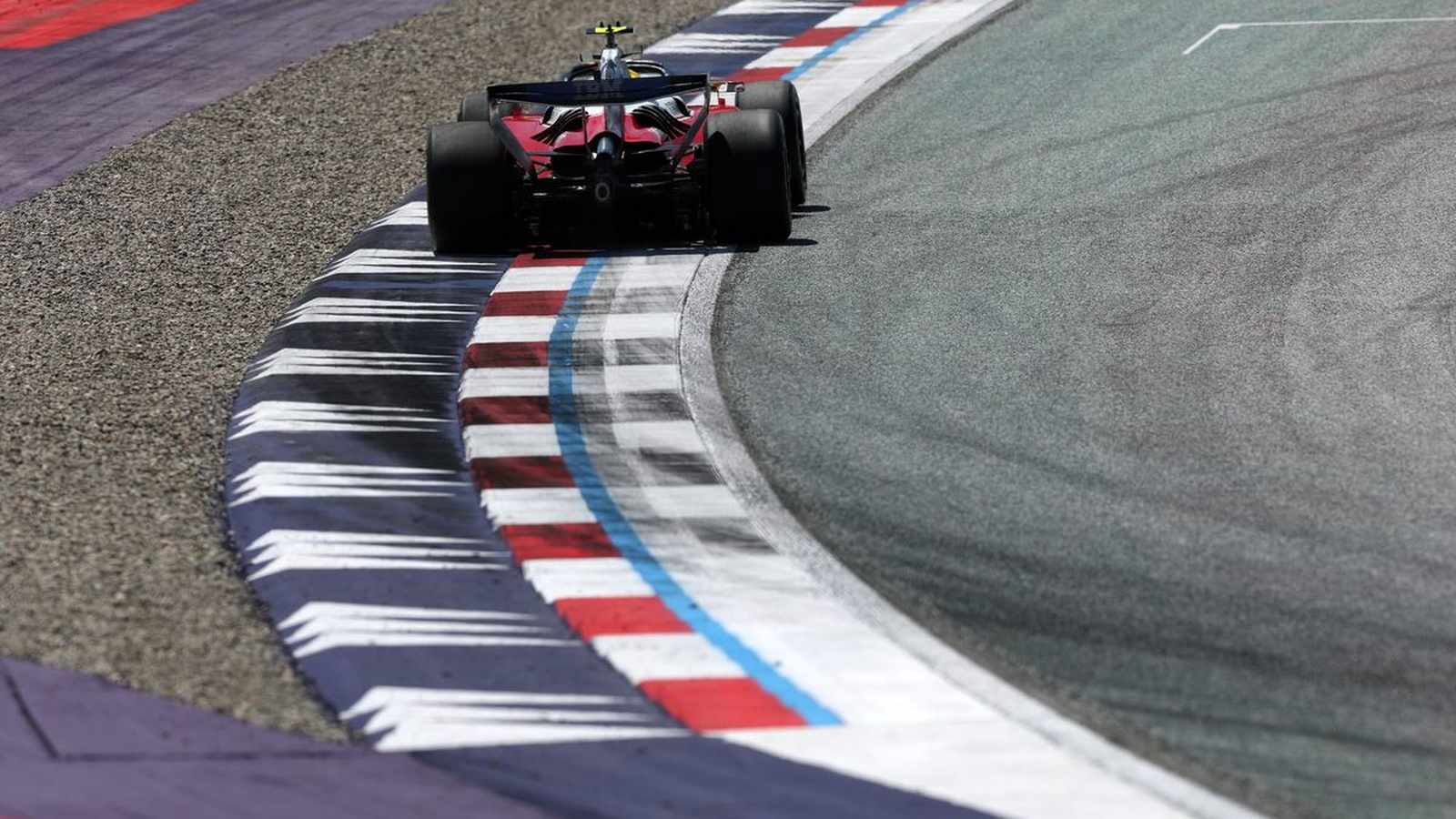
The controversy centered on a design feature pioneered by Ferrari, which involved placing the gearbox and crash structure in a manner that allowed for the installation of an aerodynamic wing near the exhaust tailpipe. By effectively extending the diffuser and optimizing airflow to the rear wing, the design provided a measurable downforce advantage. Following Ferrari’s lead, competitors including Mercedes, McLaren, and Red Bull utilized a regulatory loophole that permitted the addition of tailpipe “supports” to integrate similar aerodynamic surfaces.
Technical Changes and Future Impact
To prevent further escalation, the FIA has introduced a strict exclusion zone around the exhaust tailpipe. Defined as a circular cylinder with a radius 20mm greater than the tailpipe itself, this zone prohibits any part of the car from occupying that space. Furthermore, the 2027 regulations remove the specific allowances for tailpipe supports that teams previously relied upon to justify the additions.
The shift coincides with Ferrari’s own experimental efforts. During the recent Austrian Grand Prix, Ferrari test driver Dino Beganovic operated a car without the exhaust wing during practice sessions. This data-gathering exercise suggests that teams are already evaluating the performance trade-offs of removing these components, which could include reduced aerodynamic drag and a potential gain of approximately 10 kW of engine power by lowering exhaust back pressure.
As the sport prepares for these changes, technical directors are now shifting their development focus. While the ban aims to curb a specific design trend, it underscores the FIA’s proactive approach to closing loopholes before they necessitate more drastic mid-season intervention.