


Escalating Trade Rhetoric
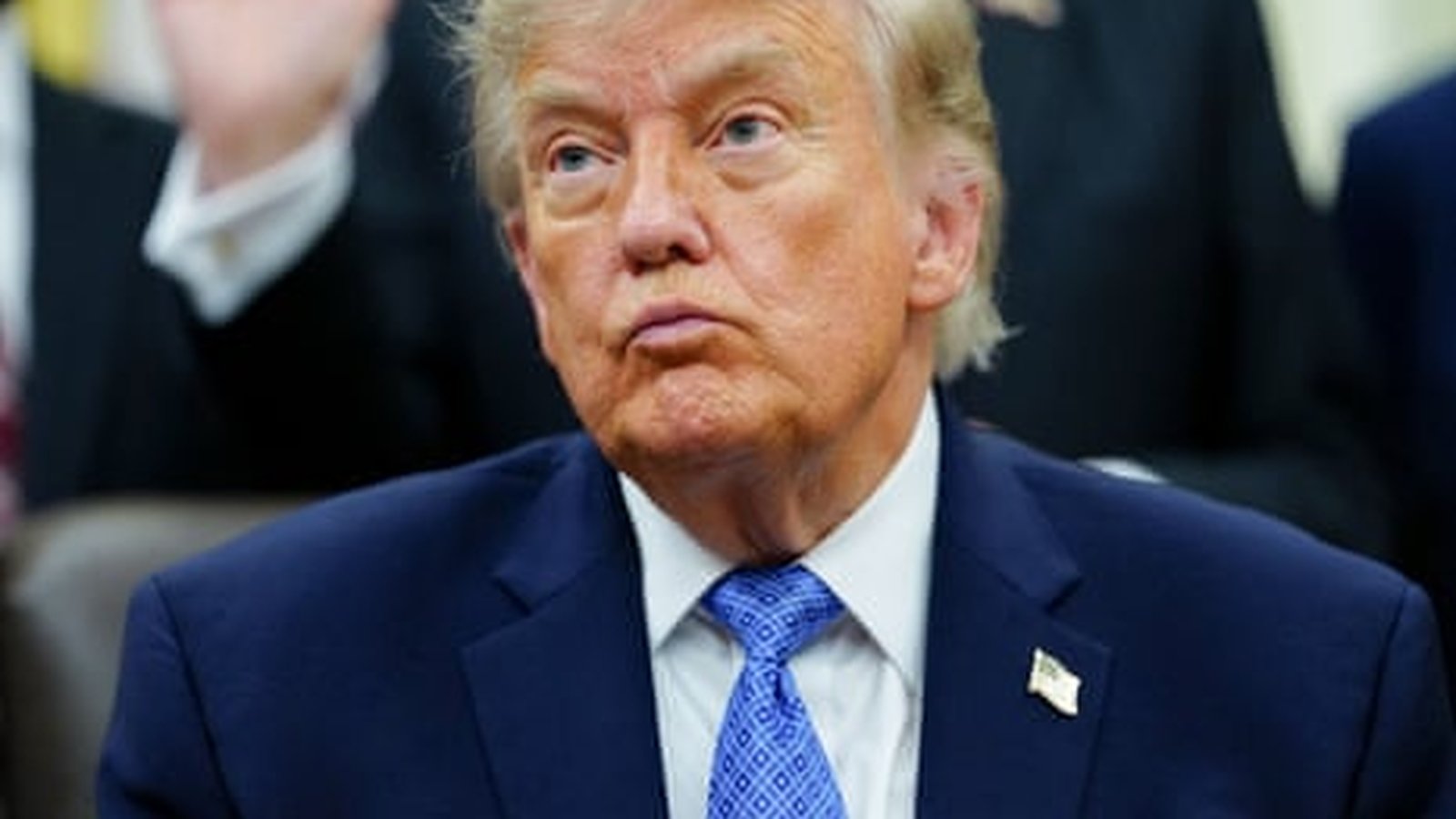
President Donald Trump has escalated international trade tensions by threatening to impose a 100% import tariff on any European nation that implements a digital services tax (DST) on U.S.-based technology companies. The warning, issued via Truth Social on June 26, 2026, asserts that such levies unfairly target American tech giants including Alphabet, Meta, and Amazon, and claims the proposed tariffs would supersede existing trade agreements.
The threat comes as the European Commission prepares to defend its regulatory autonomy. Olof Gill, a spokesperson for the Commission, stated that digital services taxes are non-discriminatory measures applied to all large firms operating within their jurisdictions, regardless of origin. “Unilateral measures targeting such legitimate policies are unjustified. If pursued, the EU will respond swiftly and decisively to defend its rights,” Gill noted.
Legal and Economic Hurdles
While the administration’s rhetoric is aggressive, legal experts remain skeptical about the feasibility of an immediate 100% tariff. Earlier this year, the U.S. Supreme Court ruled that the administration’s use of the International Emergency Economic Powers Act (IEEPA) to unilaterally impose sweeping tariffs exceeded presidential authority. Chief Justice John Roberts noted in the majority opinion that the President cannot impose tariffs at will without clear congressional authorization.
Analysts suggest that the administration may look toward Section 301 investigations—a process that allows for trade investigations but typically requires months of deliberation rather than an immediate, unilateral strike. During his first term, similar investigations were utilized as diplomatic leverage rather than immediate punitive measures.
Industry Impact
The uncertainty surrounding global tariff policy is rippling through various sectors. While some large retail chains like Walmart and Costco have managed to leverage tariff refund strategies to lower consumer prices, other industries, such as home furnishings, remain trapped in a “legal gray zone.” Manufacturers and retailers are currently struggling with persistent Section 232 and Section 301 tariffs, with many entities forced to join class-action lawsuits or file formal protests with the U.S. Court of International Trade to recoup costs.
As the July 4 deadline for implementing a separate EU-U.S. trade agreement approaches, digital services taxes remain a significant obstacle. With the EU signaling readiness to defend its regulatory framework, the prospect of a new transatlantic trade conflict appears increasingly likely, adding a layer of volatility to an already complex global economic landscape.