


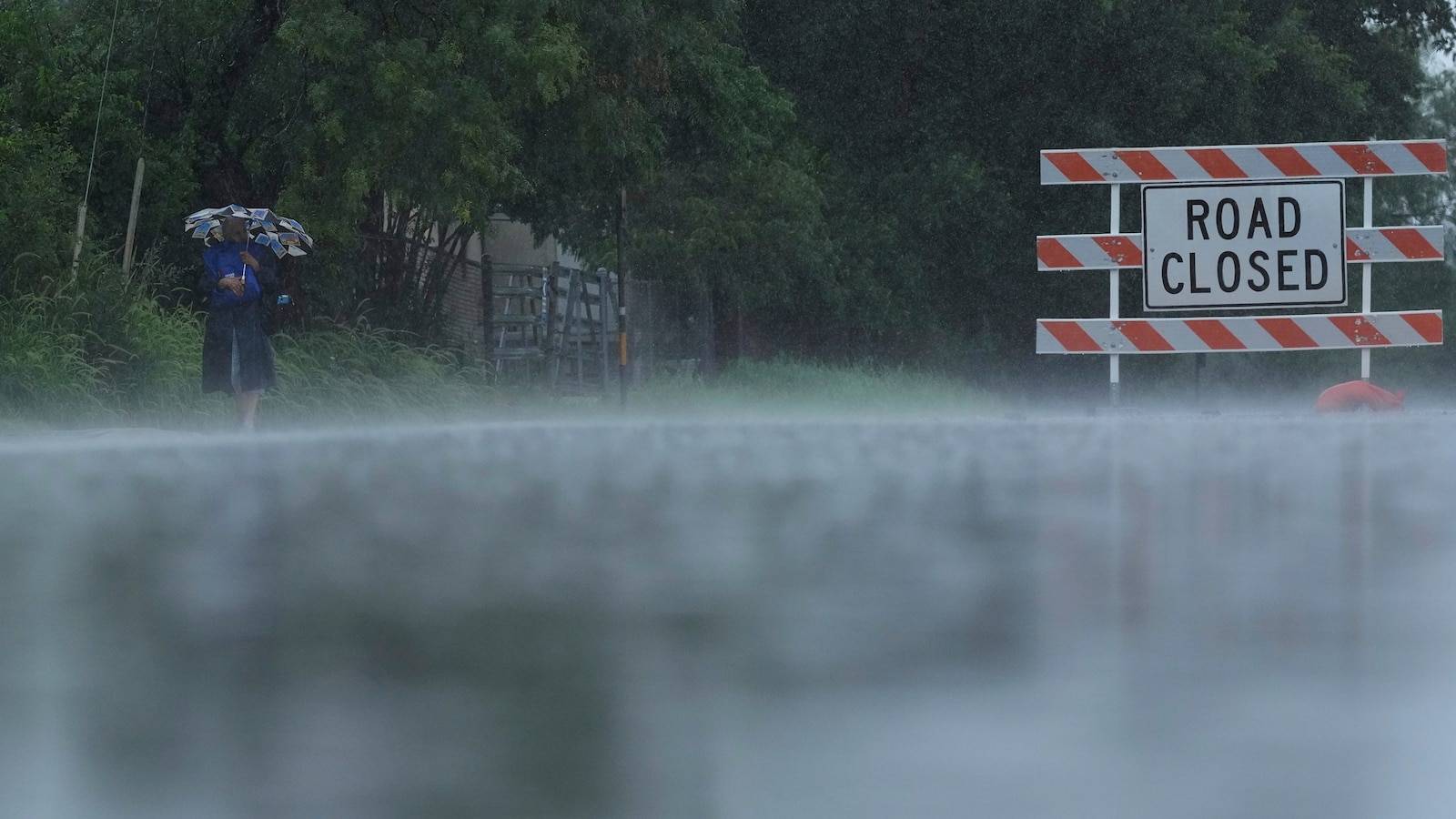
Flash flooding, one of nature’s most sudden and destructive phenomena, has claimed lives and caused widespread damage across multiple U.S. states in recent weeks. From Texas to Pennsylvania, communities are grappling with the devastating effects of extreme weather events, which experts warn are becoming more frequent and severe due to climate change.
Recent Flash Flooding in Pennsylvania
On July 16, south-central Pennsylvania was placed on high alert as meteorologists warned of severe thunderstorms capable of producing localized flash floods. According to WGAL, the “Impact Day” designation was issued due to the elevated risk of excessive rainfall interacting with already saturated ground. Storms were predicted to bring torrential downpours, with rainfall rates potentially exceeding 2-3 inches within a one-to-two-hour window.
Residents were cautioned to avoid low-lying areas and flood-prone zones as smaller streams and creeks could overflow rapidly. Despite the forecast, challenges remained in predicting the exact areas that would experience the heaviest rainfall, as the localized nature of flash floods makes them notoriously difficult to model. By the evening, numerous neighborhoods reported waterlogged streets and rising creek levels, underscoring the need for enhanced forecasting and real-time warning systems.
Texas Faces a Tragedy
Earlier this month, Texas endured one of its deadliest flash flooding events, with at least 134 lives lost in the Hill Country region, including 37 children. The disaster, which unfolded on the Fourth of July, was particularly devastating in Kerr County, where search operations for over 100 missing persons continued as of July 15. As reported by ABC News, the Guadalupe River swelled to catastrophic levels, inundating towns like Comfort and Kerrville.
Local residents described harrowing scenes of rising waters overtaking homes and vehicles in a matter of minutes. One survivor recounted the urgency of evacuating her home: “You’ve got five minutes,” her husband warned, as the water levels surged. The rapid onset of the flood highlighted gaps in the county’s emergency alert systems, with many residents either missing warnings or receiving them too late to act.
The disaster has reignited debates about the efficacy of existing warning mechanisms. According to Grist, Kerr County had access to FEMA’s Integrated Public Alert and Warning System (IPAWS), which could have sent vibrating alarms to residents’ phones. However, the system was not utilized until after the floodwaters had wreaked havoc, leaving many to rely on neighbors or chance encounters to escape danger.
Understanding Flash Floods and Their Causes
Flash floods are defined by the National Weather Service (NWS) as flooding that begins within six hours of intense rainfall, often occurring within three hours. They are typically caused by slow-moving or multiple thunderstorms passing over the same area, leading to rapid water accumulation in creeks and streams.
Urban areas are particularly vulnerable due to the prevalence of impervious surfaces like asphalt and concrete, which prevent water from infiltrating the soil. Steep terrains and rocky landscapes exacerbate runoff, making flash floods even more destructive. As NorthJersey.com explains, these factors combined with the unpredictability of storm paths make flash floods among the deadliest natural disasters in the U.S.
Lessons in Preparedness
Experts agree that better community education and communication systems are critical to mitigating the impact of flash floods. Rachel Hogan Carr, executive director of The Nurture Nature Center, emphasized the importance of early outreach: “If you’ve never seen water rise in front of you in minutes, it’s hard to conceive of how quickly your life and property can be at risk.”
Practical safety measures include staying informed through local alerts, moving to higher ground immediately, and avoiding flooded roadways. The adage “Turn around, don’t drown” remains a life-saving mantra, as even six inches of moving water can knock a person off their feet, while 12 inches can sweep away a car.
Additionally, investment in localized warning systems, such as the sirens installed in Comfort, Texas, can significantly improve response times. However, as Grist highlights, these systems must be paired with clear, actionable messaging to avoid confusion or complacency among residents.
The Role of Climate Change
The increasing frequency and severity of flash floods are closely linked to climate change. Warmer atmospheric conditions allow for greater moisture retention, leading to heavier rainfall during storms. Urban development further compounds the problem by altering natural water flow patterns and increasing flood risks in densely populated areas.
As researchers and policymakers grapple with these challenges, the focus remains on creating resilient communities equipped to handle the realities of a changing climate. This includes updating infrastructure, improving forecasting models, and fostering public awareness about the dangers of flash floods.
As the U.S. faces more frequent extreme weather events, the lessons learned from recent flash floods must serve as a catalyst for better preparedness and stronger community resilience.