


A Neighborhood in Mourning and Inquiry
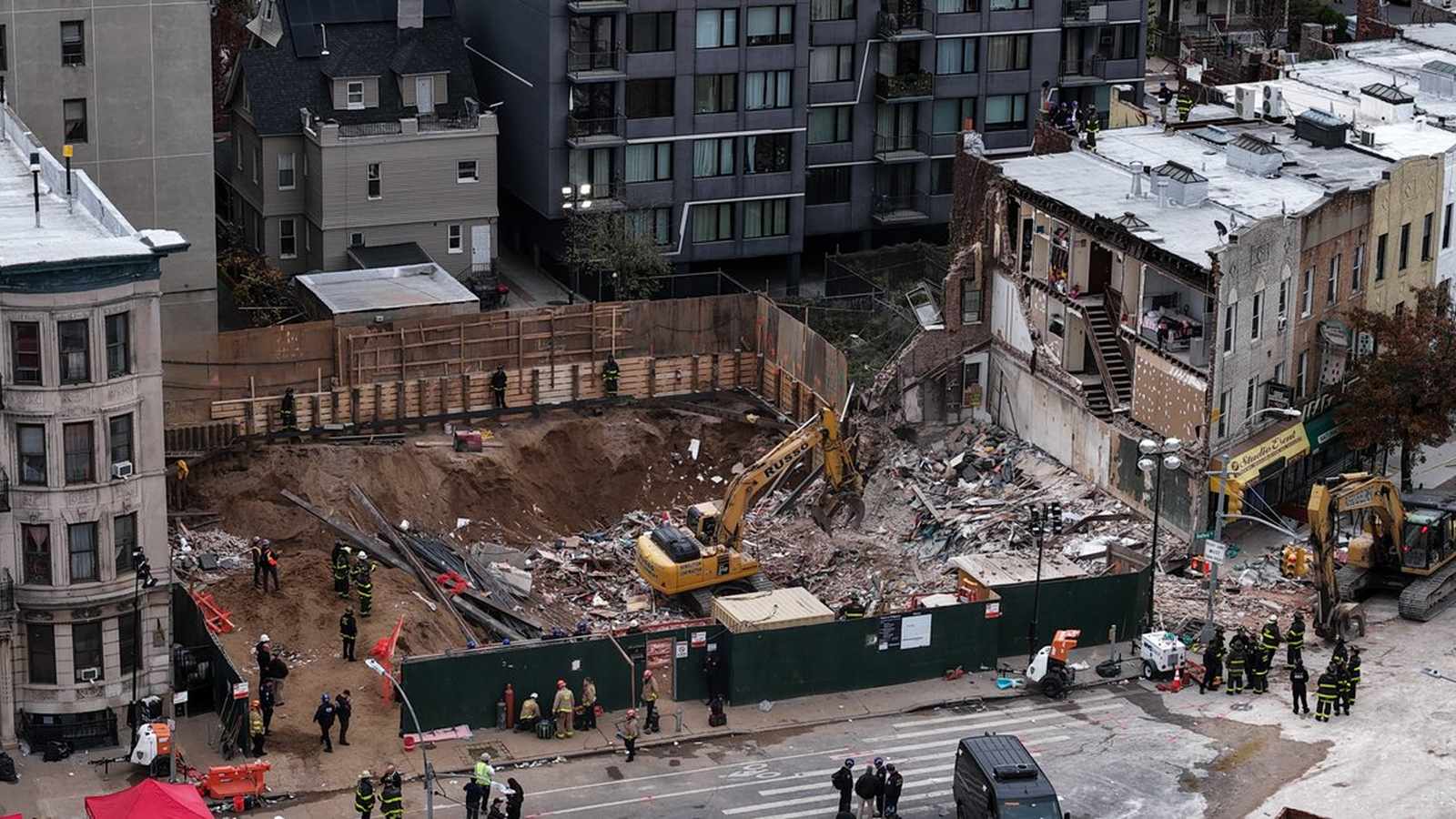
On November 11, 2026, a residential building at 1321 Flatbush Ave. in Brooklyn collapsed into an adjacent construction excavation site at 2625 Bedford Ave., resulting in the deaths of six adults and two children. The disaster, which also left 18 people injured, has triggered an intense local response, with residents and community leaders demanding accountability and immediate, rigorous reassessment of safety protocols for the rapid pace of development currently reshaping the historic Afro-Caribbean neighborhood. For many longtime residents, the collapse has sharpened concerns about the aggressive growth of construction projects in the area, where they argue that unchecked rezoning and building cycles are fundamentally changing the neighborhood and contributing to the displacement of existing families.
Infrastructure and Oversight Concerns
The building at 1321 Flatbush Ave. had a documented history of maintenance issues, with city data indicating 98 open housing-code violations, including concerns over electrical wiring, smoke detectors, and sprinkler systems. However, the physical integrity of the site became a flashpoint when it collapsed into an excavation pit permitted to reach 14 feet below grade. City records reviewed by industry experts show that engineers and New York City building officials had scrutinized the risks of excavation beside adjoining structures. A geotechnical report had explicitly warned that buildings abutting the property line would require underpinning and cautioned that construction-related vibrations could adversely affect existing structures. Furthermore, a preconstruction survey from March 5 documented visible cracking at the building, rating its north masonry facade in “Poor” condition.
Residents argue that these conditions, paired with the aggressive encroachment of new, larger developments, demonstrate a systemic failure to protect existing tenants. Urban planner George Janes noted that the current zoning environment in Flatbush incentivizes the demolition of smaller, older structures in favor of larger, more profitable buildings, creating a high-pressure development cycle that neighbors fear is compromising structural stability. Monzurat Oni, chair of Community Board 17, reported that residents on blocks with active construction projects have frequently complained about their own buildings shaking. Oni stated that the developer of the Bedford Avenue site did not attend a scheduled public meeting in September, leaving community members without an opportunity to raise safety concerns before the tragedy occurred. “We have a housing shortage, I am not anti-development,” Oni said, emphasizing that the community’s frustration stems from the speed and quality of construction rather than a total opposition to new housing.
The Broader Policy Debate
The tragedy has complicated the city’s broader housing agenda. Former Mayor Eric Adams promoted the “City of Yes” plan, aimed at easing regulations to convert offices into housing and allowing larger buildings near transit hubs to address the city’s 1.4% rental vacancy rate. Mayor Zohran Mamdani has similarly advocated for increasing housing supply to mitigate high rents, yet the disaster has cast a shadow over these goals. Mayor Mamdani announced in a press conference on Thursday that the city is currently investigating 100 other construction sites connected to the developers involved in the excavation. While investigators caution that it is too early to pinpoint a single cause, the collapse has become a focal point for long-standing tensions regarding rezoning and gentrification. For residents like Brandice Taylor, the policy focus feels disconnected from the ground-level risks. “There was a new construction put up near my building, and all I could think was, ‘That could have been us,’” Taylor said. Legal advocates, including Addrana Montgomery of TakeRoot Justice, are calling for a more rigorous legal and safety framework to ensure that the drive for density does not come at the cost of existing community safety.
Technical Questions and Accountability
The engineering aspects of the collapse remain under intense scrutiny. Approved support-of-excavation drawings prescribed a staged shoring system using steel soldier piles, timber lagging, walers, rakers, and concrete deadmen, with strict monitoring thresholds for movement and vibration. According to experts like Michael Chajes of the University of Delaware, if shoring failed under extreme vibration, it could have undermined the existing structure, causing a redistribution of forces. Whether those protections existed in the field as designed remains unclear. City records indicate that the development was subject to earlier enforcement actions, including a stop-work order in March due to inadequate overhead protection during demolition, though officials have not yet linked those specific violations to the collapse. As the investigation proceeds, the city faces mounting pressure to balance its urgent need for new housing with the demand for equitable and safe development. The intersection of historic neighborhood character, the physical impact of excavation on nearby brownstones, and the regulatory oversight of developers remains the primary focus for local stakeholders, who are demanding that the city move beyond standard inspections to ensure that the safety of existing residents is prioritized over the speed of construction.
Reporting source: news.ssbcrack.com.