

Quick Read
- Jannik Sinner enters Roland Garros on a 29-match win streak.
- Carlos Alcaraz is absent due to a wrist injury.
- Iga Świątek seeks her fifth French Open title following a coaching change.
- Aryna Sabalenka remains the top seed despite minor injury concerns.
The Men’s Draw: Sinner’s Path to History
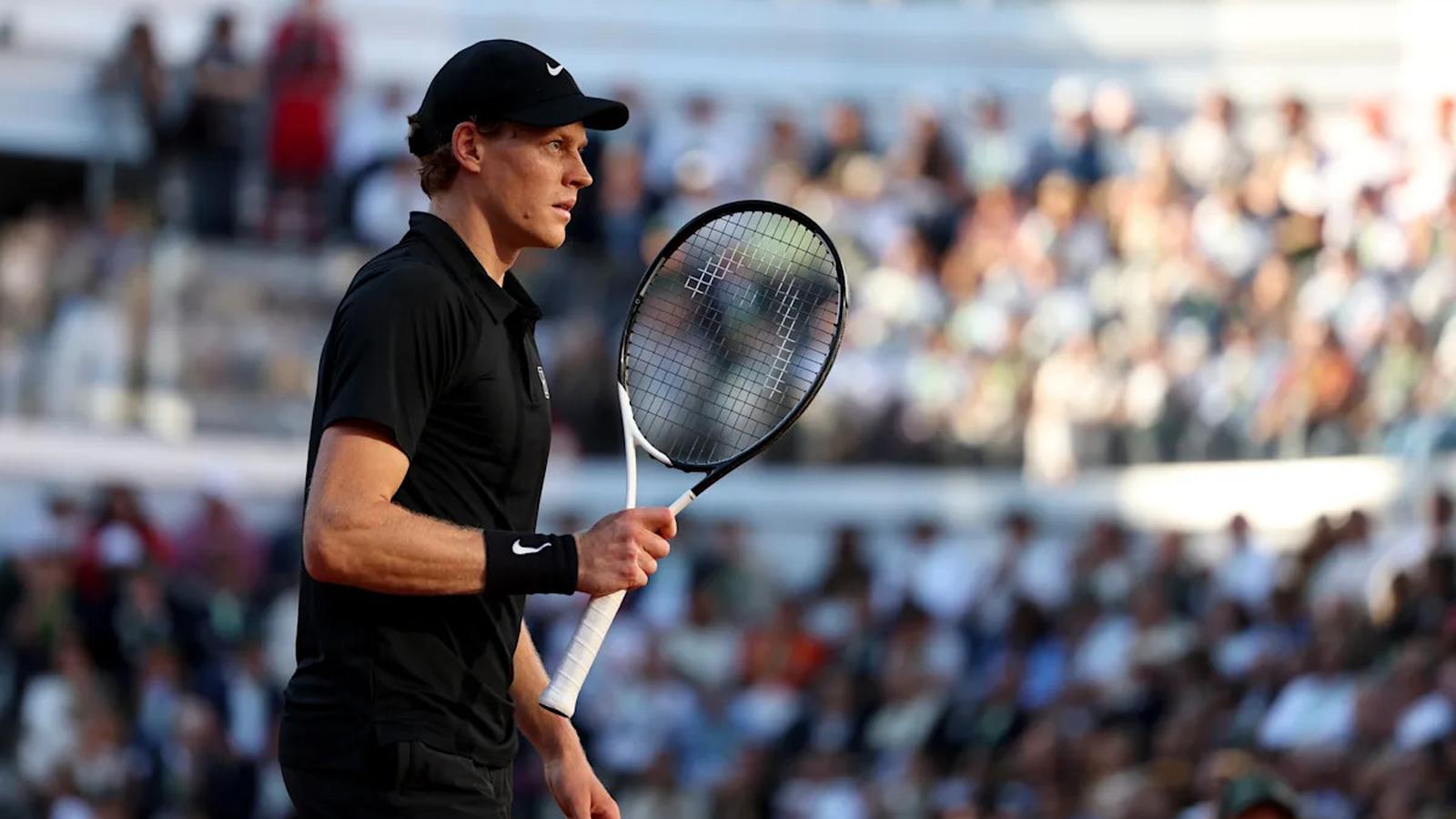
As the 2026 French Open commences at Roland Garros, the men’s singles draw is defined by the overwhelming momentum of world No. 1 Jannik Sinner. With a 29-match winning streak and five titles already secured this season, the 24-year-old Italian is positioned to become the 10th man in history to complete a career Grand Slam. His primary rival, Carlos Alcaraz, has been forced to withdraw due to a wrist injury, significantly thinning the field of challengers capable of matching Sinner’s pace and power.
Sinner’s evolution as a player has been marked by a newfound tactical depth, incorporating delicate drop shots into his high-octane baseline game. However, the physical toll of a full clay-court season remains a variable. His closest challenger is arguably the seasoned Novak Djokovic. Despite a 39th birthday coinciding with the tournament and recent injury concerns, Djokovic’s ability to elevate his performance during major events remains unparalleled. Alexander Zverev, while currently hampered by back issues, enters as the No. 2 seed, representing the most experienced threat in the absence of Alcaraz.
The Women’s Field: A Competitive Hierarchy
Conversely, the women’s draw presents a highly competitive landscape. Aryna Sabalenka leads the rankings, yet she arrives in Paris carrying a minor back injury and a recent loss at the Italian Open. Her ability to deliver under pressure is well-documented, but she faces stiff competition from Elena Rybakina, whose recent form—including a victory at the Stuttgart Tennis Grand Prix—marks her as a primary contender. Rybakina’s composure and precision on critical points have made her one of the most consistent performers on the tour.
Iga Świątek, a four-time champion, seeks to regain her dominance on the red clay of Paris. After a coaching change and a period of recalibration, her performance in Rome suggested a return to her patient, high-percentage point construction. Defending champion Coco Gauff remains a wildcard; while her defensive capabilities are elite, her recent struggles with her forehand have introduced a level of volatility to her campaign. Meanwhile, veterans like Elina Svitolina and the retiring Sorana Cîrstea add depth to a field that remains wide open.
The structural shift in this year’s tournament—marked by the absence of key rivals in the men’s bracket and the tactical maturation of the top-ranked women—suggests a pivot in tennis history. Sinner’s potential coronation would solidify the next generation’s hold on the sport, while the women’s side remains a testament to the increased parity and depth of the WTA Tour. Success at Roland Garros 2026 will likely be determined not by raw power alone, but by the ability to manage the physical degradation of a grueling two-week tournament and the psychological pressure of the Parisian stage.