


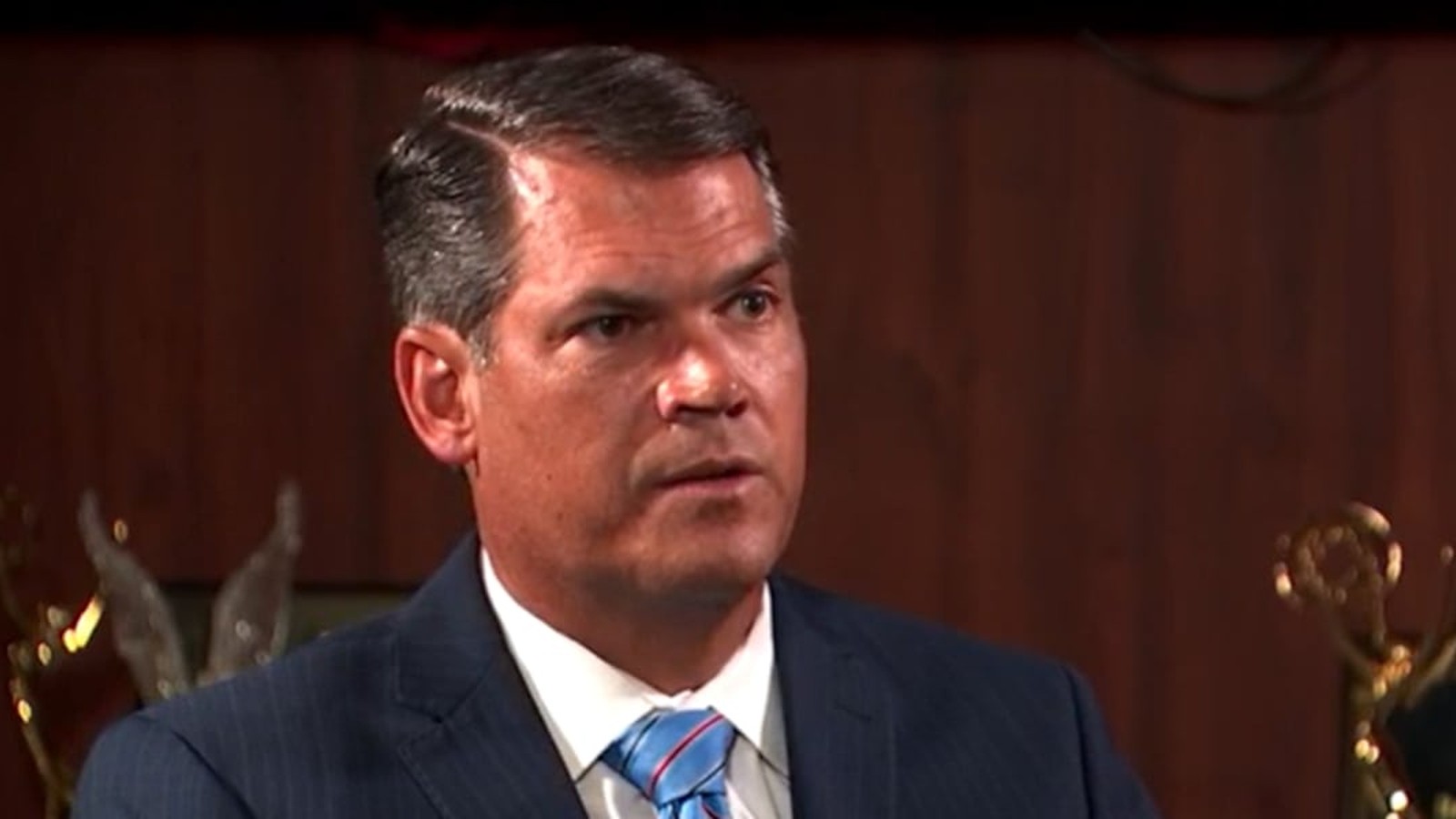
Duncan’s Defection: A Turning Point in Georgia Politics
In a year already thick with political intrigue, the landscape in Georgia took an unexpected turn on Tuesday morning. Geoff Duncan, once the state’s Republican lieutenant governor, stood in front of cameras not as the party loyalist many remembered, but as a newly minted Democrat announcing his run for governor in 2026. For seasoned watchers of Southern politics, Duncan’s leap across the aisle was more than a personal decision—it was a signal flare for a state at the crossroads of national debate.
As Duncan released his announcement video on YouTube, the message was clear and unvarnished: he was leaving behind a Republican Party he no longer recognized, citing his long-standing opposition to President $1 Trump. “I’ve never wavered in taking on Trump,” Duncan declared. “So Georgia Republicans threw me out of their party. I was leaving anyway.” With these words, he not only marked his own transition, but invited Georgians to consider what kind of leadership they want in an era when party loyalty can seem like a moving target.
The Backstory: From Republican Stronghold to Democratic Challenger
Duncan’s political journey has been anything but ordinary. As lieutenant governor, he was often at odds with his party’s most fervent Trump supporters, especially during the contentious aftermath of the 2020 presidential election. His refusal to back claims of election fraud earned him both praise and scorn, eventually leading to his estrangement from Georgia’s GOP establishment.
By August 2025, Duncan had publicly severed ties with the Republican Party. The move was met with both surprise and skepticism—how would a former Republican fit into the increasingly diverse Democratic field? Duncan’s answer was straightforward: “Georgians deserve leaders with the courage to take on Donald Trump, lower costs for families and do what’s right.” His campaign launch on X (formerly Twitter) echoed this message of conviction and change.
A Crowded Field: Democrats Compete for the Nomination
Duncan enters a Democratic primary already packed with notable contenders. Among them are Michael Thurmond, a former state labor commissioner and DeKalb CEO; state Sen. Jason Esteves; state Rep. Derrick Johnson; former Atlanta Mayor Keisha Lance Bottoms; and businessman and pastor Olu Brown. Each brings a distinct vision and constituency, yet Duncan’s high-profile party switch injects fresh energy—and controversy—into the race.
Georgia’s political climate has grown more competitive in recent cycles, with Democrats making significant inroads in both urban and suburban areas. Duncan’s candidacy adds a layer of unpredictability, as voters weigh his record against those of lifelong Democrats. Will his stance against Trump and his experience in statewide office appeal to voters seeking both change and stability?
What’s at Stake: Leadership, Identity, and the Future of Georgia
The 2026 governor’s race is shaping up as a referendum not only on Georgia’s policy direction, but also on the nature of political identity itself. Duncan’s campaign, launched with a call to “push back” and “win,” frames the contest as a battle for the soul of the state. For many Georgians, his willingness to cross party lines may resonate as a sign of principle. For others, it raises questions about authenticity and trust.
Political analysts note that Duncan’s move could signal broader shifts in Southern politics, where rigid party lines have begun to blur in response to national polarization. As Georgia continues its rise to prominence in the national political scene, the choices made by voters in 2026 may reverberate far beyond state borders.
In interviews and appearances, Duncan has emphasized kitchen-table issues like lowering costs for families, along with his opposition to Trump’s influence on the GOP. The question that now hangs over the race: Will Duncan’s gamble pay off in a state where political loyalties are both deep-rooted and increasingly fluid?
The next months promise heated debates, shifting alliances, and, above all, a test of whether Georgia’s voters are ready for a candidate who defied the orthodoxy of his former party to chart a new course.
Duncan’s transformation from Republican lieutenant governor to Democratic gubernatorial contender is more than a personal journey—it’s a reflection of Georgia’s volatile political moment. His candidacy challenges conventional wisdom about party loyalty and voter identity, offering both risk and opportunity for a state balancing tradition with change. As the campaign unfolds, the stakes for Georgia—and perhaps for the broader South—could not be higher.