
Quick Read
- A five-vehicle crash occurred at 4:45 a.m. on the Cross Bronx Expressway near Jerome Avenue.
- All eastbound lanes were shut down for hours; delays at the George Washington Bridge exceeded 90 minutes.
- Two people suffered minor injuries; initial fears of a fuel spill were dismissed by FDNY.
- Alternate crossings like the Holland and Lincoln tunnels also saw heavy delays.
- NJ Transit buses experienced up to 30-minute delays due to congestion.
Major Delays Paralyze George Washington Bridge After Early Morning Crash
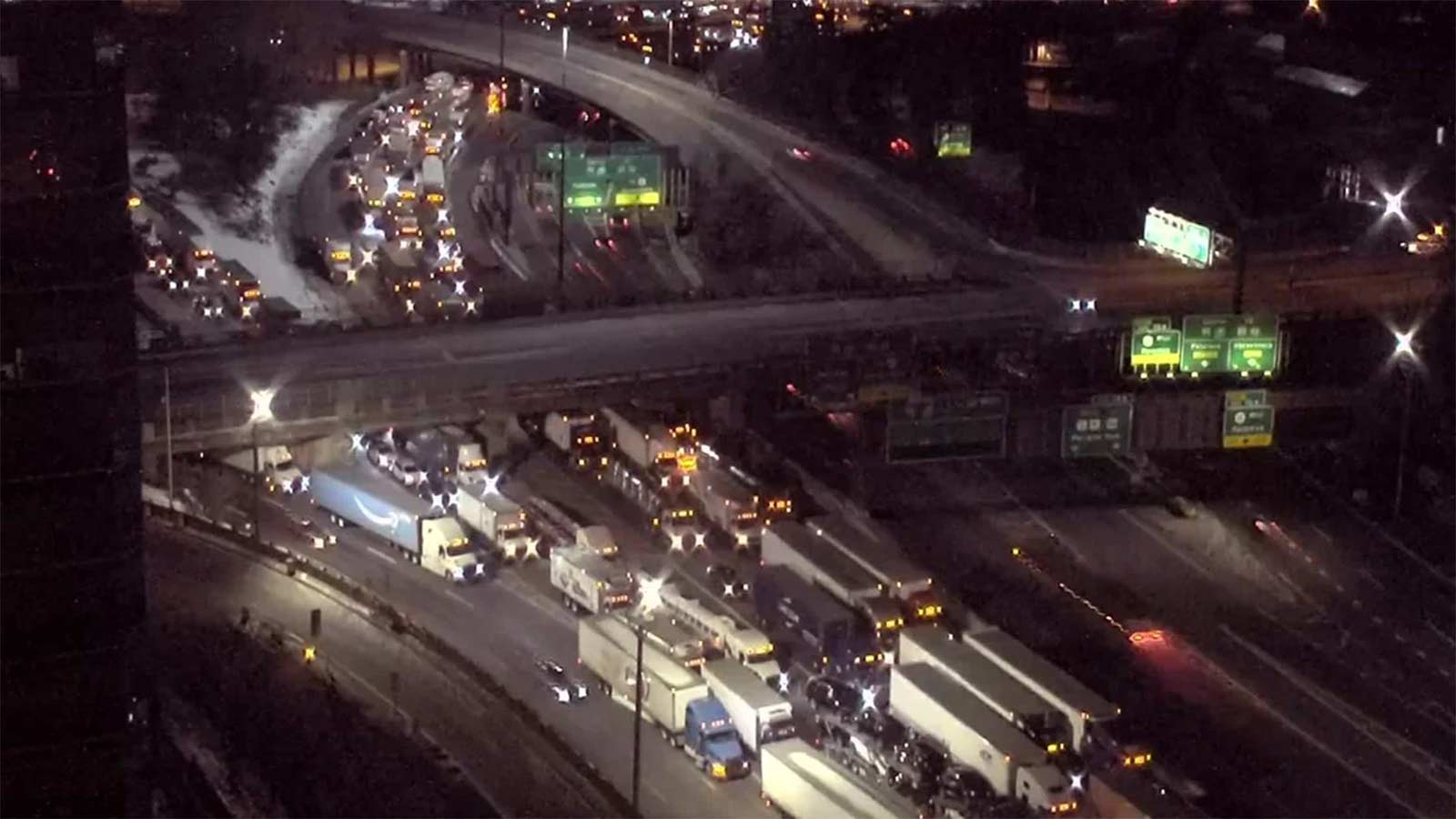
When the sun rose over New York City on Friday, November 21, 2025, thousands of commuters found themselves trapped in a gridlock that stretched for miles. The culprit: a violent multi-vehicle crash on the Cross Bronx Expressway, which triggered a cascade of traffic jams throughout the region—most notably at the George Washington Bridge (GWB), one of the city’s busiest arteries.
What Happened on the Cross Bronx Expressway?
According to multiple reports, including CBS News and PIX11, the accident occurred around 4:45 a.m. near Exit 3 at Jerome Avenue. Five vehicles were involved, including at least one tractor-trailer, which suffered extensive front-end damage. The Fire Department of New York (FDNY) responded promptly, sending emergency crews to the scene. Two people were transported to local hospitals with minor injuries—fortunate, given the severity of the crash and the initial fears of a fuel spill. FDNY later confirmed there was no hazardous leak, allaying concerns about environmental risks.
The crash shut down all eastbound lanes from Exit 2A to Exit 2B, and even after the right lane reopened, the bottleneck persisted. For hours, traffic barely moved, with delays at the George Washington Bridge mounting to more than 90 minutes. Video footage from the morning showed long lines of vehicles stretching back to I-80, Route 4, and the New Jersey Turnpike, with frustrated drivers inching forward in bumper-to-bumper conditions.
The Ripple Effect: How One Crash Disrupted an Entire Region
The consequences of the crash radiated far beyond the initial scene. With the eastbound lanes closed, congestion spilled onto the GWB—both its lower and upper levels. PIX11 reported delays of up to one hour on the lower roadway and a staggering hour and a half on the upper deck. The Trans-Manhattan Expressway, a key connector for bridge traffic, also saw a brief closure due to a secondary crash, compounding the chaos before it was cleared.
The impact didn’t stop there. Alternate Hudson River crossings, including the Holland and Lincoln tunnels, became clogged as drivers sought escape routes. The Lincoln Tunnel in particular experienced delays approaching an hour. NJ Transit buses were not spared, with passengers enduring up to 30-minute hold-ups as the morning commute ground to a halt. Authorities advised trucks to divert north toward the Gov. Mario M. Cuomo Bridge, hoping to alleviate the mounting pressure.
Commuters Left Scrambling: Navigating the Unexpected
The events of November 21 were a stark reminder of just how fragile urban mobility can be in the face of unexpected disruptions. For commuters, the crash meant more than just inconvenience—it forced a scramble for alternatives. Drivers tuned in to live traffic updates, weighed rerouting through Holland or Lincoln tunnels, or simply braced for a long wait. Some abandoned plans altogether, opting to work remotely or delay appointments. As traffic experts have long warned, even a single incident on a critical corridor like the Cross Bronx Expressway can reverberate across the city’s transit network, affecting tens of thousands in a matter of minutes.
Emergency crews worked diligently to clear wreckage and restore order. By mid-morning, some lanes reopened, but the backlog lingered. The FDNY’s swift confirmation that no fuel leak had occurred was a relief, but it did little to ease the frustration of those stuck in traffic. Social media lit up with real-time reports and exasperated messages, while local news teams, including NBC New York, provided continuous updates on the evolving situation.
Lessons Learned: Infrastructure, Response, and Resilience
Friday’s incident once again highlighted the challenges facing New York City’s aging infrastructure. The Cross Bronx Expressway and George Washington Bridge are vital lifelines, but their vulnerability to disruption is a recurring theme. As city planners and engineers look to the future, questions linger: How can traffic management be improved to mitigate the fallout from such crashes? Is there a need for more robust emergency response protocols, or greater investment in alternative transit options?
For now, commuters are left with the reality that a single event can upend their routines, underscoring the delicate balance of urban transportation. The FDNY’s rapid response, coupled with coordinated efforts from the NYPD and Port Authority, prevented further injuries and environmental damage. Yet, the hours-long delays served as a reminder that even the most experienced agencies can only do so much against the tide of vehicles flowing through New York’s arteries each day.
As traffic slowly returned to normal, city officials urged drivers to remain patient and vigilant, especially during rush hour. The incident will no doubt fuel ongoing debates about infrastructure investment, traffic safety, and the future of commuting in America’s largest city.
This morning’s crash on the Cross Bronx Expressway is a textbook example of how interconnected—and vulnerable—New York’s transit system can be. While swift emergency response helped avoid a larger disaster, the hours-long delays highlight the urgent need for smarter traffic management and resilient infrastructure. For thousands of commuters, today’s gridlock was more than a headache—it was a wake-up call.