


Deadly Crash Stuns Dubai Air Show: What Happened?
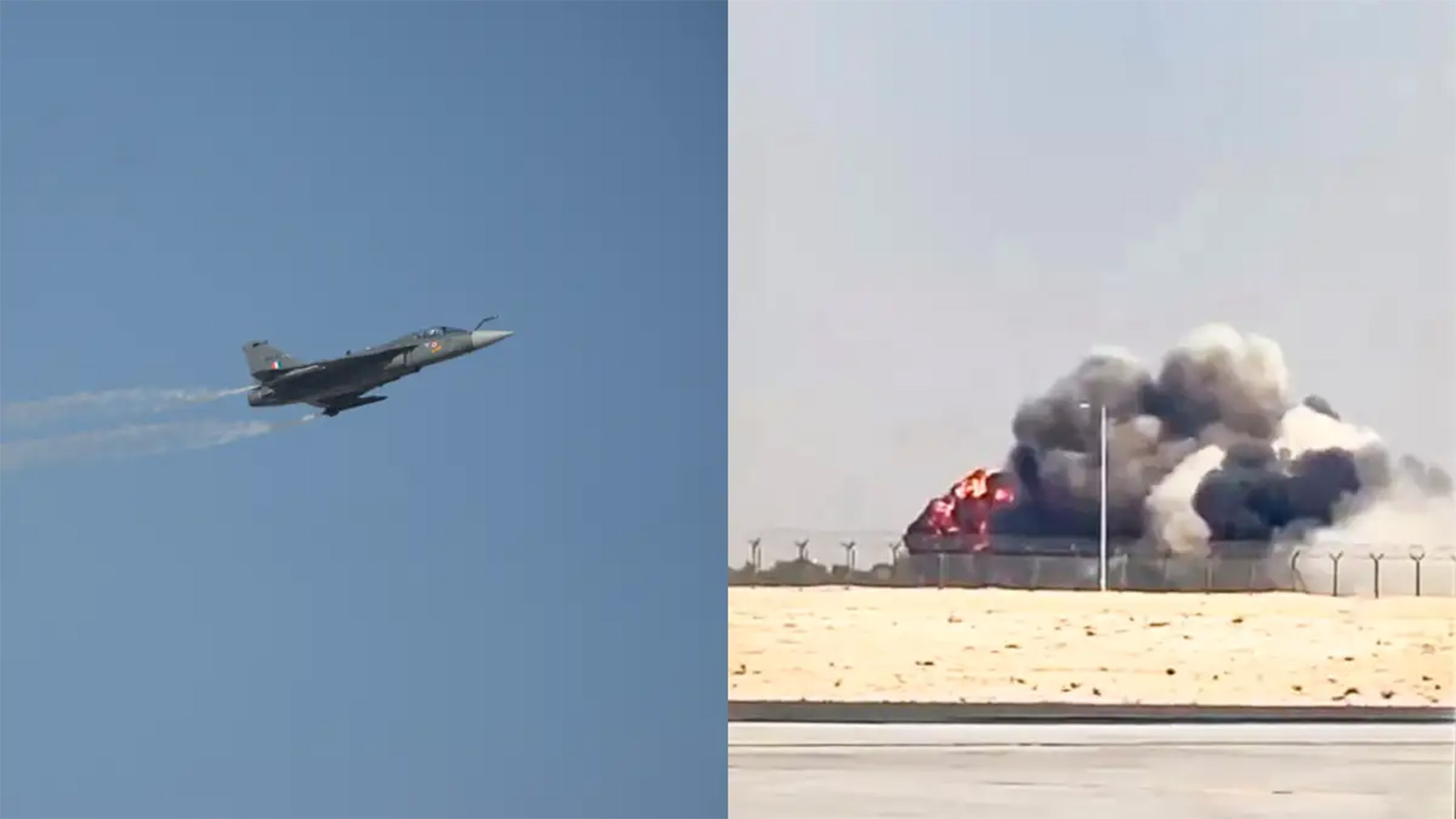
On November 21, 2025, the Dubai Air Show—a biennial spectacle drawing industry leaders and aviation fans from around the globe—became the scene of a somber tragedy. During a mid-afternoon demonstration, an Indian Air Force Tejas fighter jet crashed in front of thousands of spectators at Al Maktoum International Airport. Black smoke billowed over the airfield as emergency sirens cut through the crowd’s shock and disbelief.
The jet, India’s indigenous single-engine fighter built by Hindustan Aeronautics Limited (HAL), was performing a low-altitude maneuver—reportedly a low roll—when it appeared to lose control and plunge toward the ground, bursting into flames upon impact. According to eyewitness accounts cited by Reuters and DW, the aircraft had made several passes over the show site before the fatal descent, landing about 1.6 kilometers from the main display area.
Within moments, Dubai’s emergency teams and firefighters were on the scene, battling the blaze and securing the crash site. Despite their rapid response, the pilot sustained fatal injuries. No reports indicated other casualties among spectators or staff.
Official Reaction: Condolences and a Call for Answers
The Indian Air Force (IAF) quickly confirmed the loss, issuing a statement expressing deep regret and solidarity with the bereaved family: “IAF deeply regrets the loss of life and stands firmly with the bereaved family in this time of grief.” The IAF announced that a court of inquiry would be formed to determine the cause of the crash.
India’s Defence Minister Rajnath Singh echoed the nation’s sorrow, calling the pilot “brave and courageous” and pledging support for the family. Political figures across the spectrum—including Priyanka Gandhi and Rahul Gandhi—also offered condolences, underlining the national significance of the loss.
The Dubai Media Office and the UAE’s Ministry of Defence released statements describing the incident as “tragic,” confirming that emergency teams responded rapidly and were managing the situation onsite. The Dubai Air Show suspended subsequent aerial stunts and evacuated visitors from the viewing area, although displays resumed within a few hours as the scene was cleared.
Tejas Jet: Symbol of Indian Defense Modernization
The Tejas fighter jet, a lightweight, single-engine aircraft, represents India’s decades-long effort to modernize its air force and reduce reliance on foreign imports. Built by HAL, Tejas has become a centerpiece in India’s push for military self-reliance—especially vital as China expands its regional influence and bolsters Pakistan’s defense capabilities.
India’s Defense Ministry recently signed contracts for a total of 180 Tejas jets, with the latest order for 97 units set for delivery beginning in 2027. The aircraft are intended to replace aging Soviet-era and Russian fighters, offering advanced avionics and weapons systems tailored to India’s strategic needs. However, development and deployment have faced challenges, notably delays due to the need to import engines from the United States (General Electric).
The Dubai crash marks only the second recorded incident involving Tejas jets. The first occurred in March 2024, when a Tejas aircraft crashed near Jaisalmer, Rajasthan, after participating in a military exercise; that pilot ejected safely.
Regional Context: Security and Symbolism
The loss of a Tejas jet and its pilot comes amid heightened regional tensions and ongoing efforts to modernize India’s air force. As reported by Al Jazeera, the Tejas program is a direct response to shifting security dynamics in South Asia, where Pakistan—India’s longstanding rival—has upgraded its air capabilities with substantial Chinese support. From 2019 to 2023, China supplied over 80 percent of Pakistan’s arms imports, including advanced fighter jets.
India’s air force, largely composed of older Russian and Soviet-era aircraft, has seen several high-profile losses in recent years. The Dubai crash, while isolated, adds pressure to ensure the reliability and safety of indigenous platforms like Tejas.
Complicating matters, the Dubai Air Show’s significance as a global arms and aerospace marketplace meant the incident unfolded on a highly visible stage, with industry professionals from 150 countries in attendance. The crash not only shocked observers but also underscored the risks inherent in live demonstration flights and the importance of stringent safety standards.
What We Know—and Don’t Know—About the Cause
As of this writing, the precise cause of the crash remains undetermined. Footage circulated online shows the Tejas jet executing a low roll before losing altitude and crashing in flames. No evidence has emerged of mechanical failure, pilot error, or external interference, and the IAF’s inquiry may take weeks or months to deliver conclusions.
Dubai authorities confirmed that the accident occurred at approximately 2:10 p.m. local time (1010 GMT), with the aircraft striking the ground about a mile from the show site. The rapid response of emergency teams helped contain the situation, and no additional injuries have been reported.
In the aftermath, the air show resumed within hours, with other demonstration teams—including Russian Sukhoi Su-57s—taking to the skies. Yet, the shadow of the Tejas tragedy lingered, prompting reflection on both the progress and the perils of military aviation.
The Tejas fighter jet crash at the Dubai Air Show stands as a sobering reminder of the risks inherent in military aviation and the human cost behind technological ambition. As India mourns the loss of a skilled pilot, the event prompts critical scrutiny of aircraft safety and the broader drive for indigenous military capability. The pending inquiry will be crucial not only for technical answers but for reaffirming public trust in India’s defense modernization.