


Automating Personal Tasks with Gemini
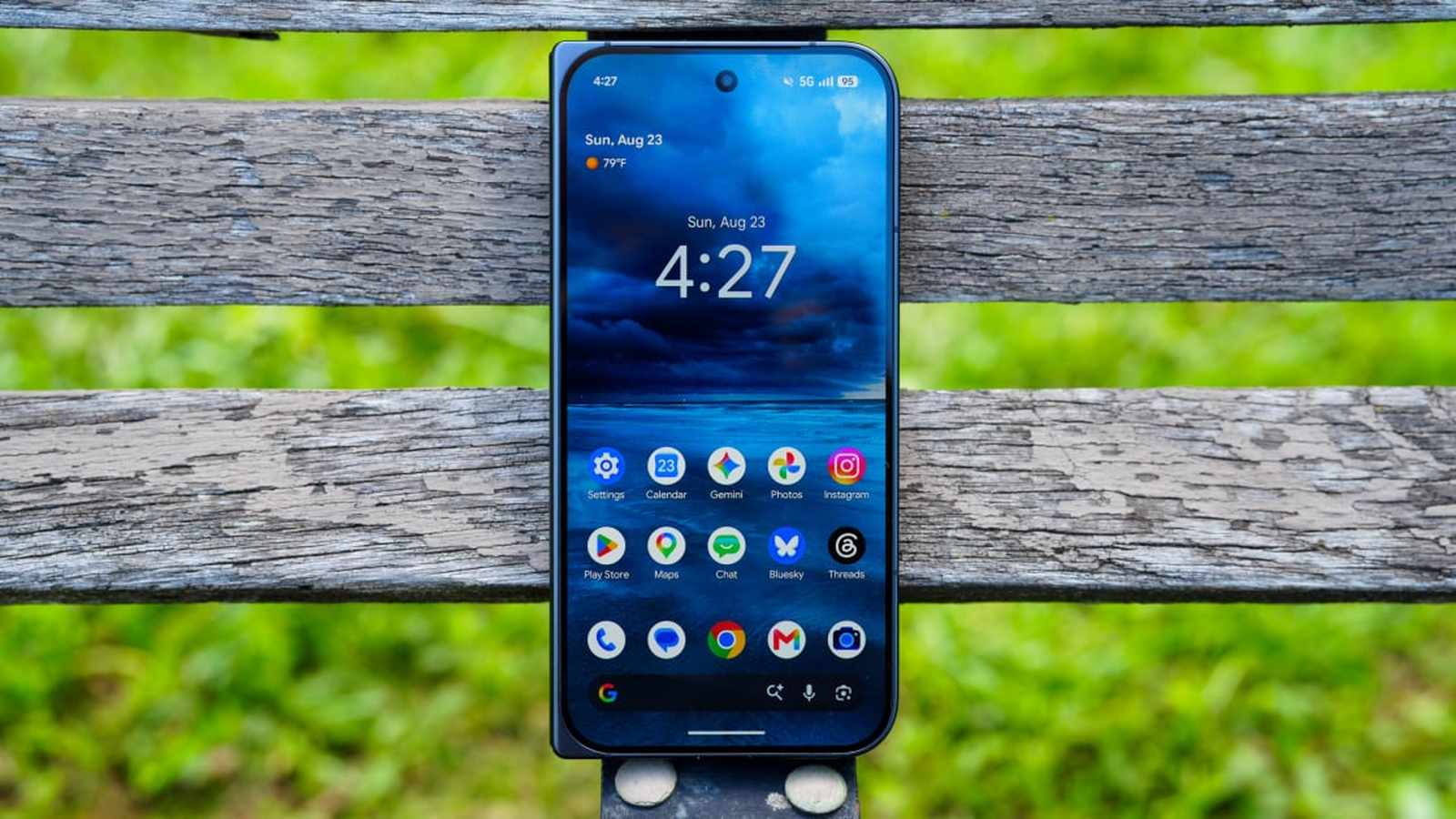
Google has expanded its artificial intelligence capabilities with the introduction of ‘Call for Me,’ a new agentic feature exclusive to the Pixel 11 series, including the Pixel 11, Pro, Pro XL, and Pro Fold. As reported by PCMag, this tool allows the Gemini assistant to conduct voice calls on behalf of the user to manage routine tasks such as booking appointments, checking business hours, or confirming product availability.
The system is designed to navigate automated phone menus and endure hold times, providing users with a transcript and recording once the task is completed. Google emphasizes that the assistant explicitly identifies itself as an AI-powered tool during these calls. However, the feature comes with risks; since it utilizes the user’s personal phone number and cellular network, businesses retain the right to block the number if they identify the activity as spam or bot-like behavior.
Currently in beta, ‘Call for Me’ is restricted to US users over 18 who maintain a Google AI subscription, with tiers ranging from $4.99 to $199.99 per month. Google has indicated that the rollout will be gradual, and not all eligible users will gain access immediately.
Project Suncatcher: Scaling AI in Orbit
Beyond personal mobile tools, Google is exploring the feasibility of moving AI infrastructure off-planet. According to reports from Yahoo Finance, the company is launching a prototype satellite as part of ‘Project Suncatcher.’ This research initiative aims to determine if low Earth orbit (LEO) can host large-scale AI computing infrastructure by leveraging near-continuous solar energy and the vacuum of space for cooling.
The mission, slated to fly on an upcoming SpaceX Transporter-18 launch in partnership with Planet Labs, will test how Google’s Tensor Processing Units (TPUs) perform under the harsh conditions of space, including intense radiation and extreme temperature fluctuations. Engineers are evaluating non-traditional cooling methods, such as heat pipes combined with radiators, as standard airflow cooling is not viable in the vacuum of space.
While the project represents a significant shift in infrastructure strategy, experts note that commercial viability remains years away. High launch costs, engineering constraints, and production bottlenecks present substantial hurdles. Google intends to use this initial mission to identify failure points, with plans to test high-bandwidth laser links for connecting future orbital computing clusters in 2027.