


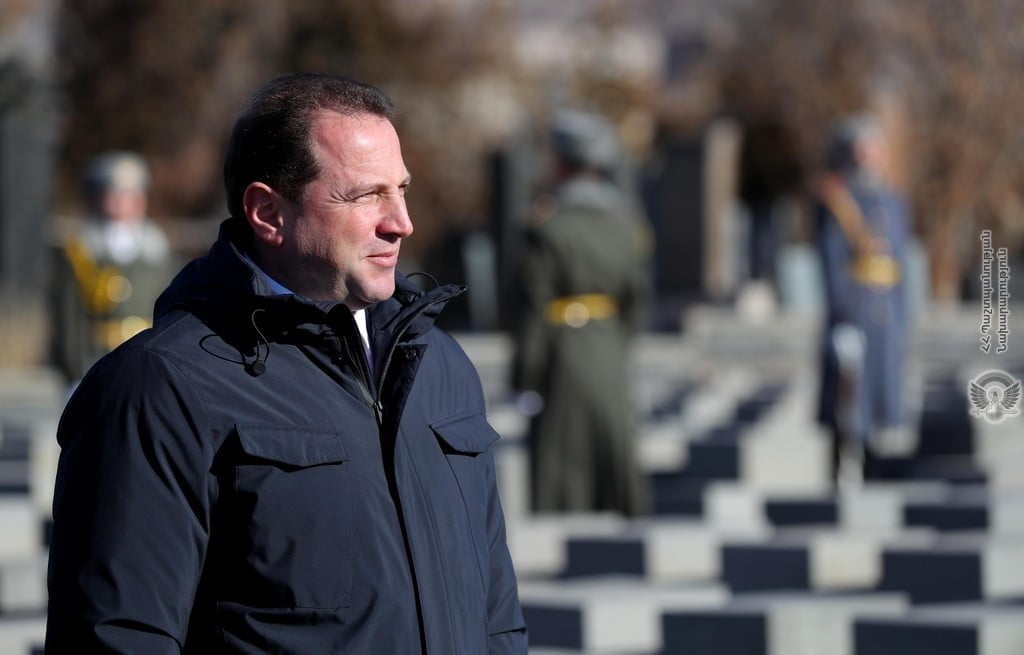
A public dispute has emerged between former Armenian Ministers of Defense Davit Tonoyan and Vagharshak Harutyunyan regarding accountability for the loss of control over the Goris-Kapan road. The disagreement centers on the timeline of the November 2020 ceasefire implementation and whether the road’s transfer to Azerbaijani control was an inevitable consequence of the trilateral statement or a failure of subsequent administrative management.
Institutional Accountability and Wartime Decisions
Davit Tonoyan, who served as defense minister until November 20, 2020, has publicly rejected claims that the road’s status was determined under his watch. In a recent interview with 24 TV, Tonoyan emphasized that no such decision had been finalized during his tenure, noting that negotiations regarding specific border segments remained fluid until his resignation. By drawing a clear demarcation at November 20, Tonoyan is effectively shifting the burden of scrutiny toward his successor, Vagharshak Harutyunyan, who assumed office as the post-war transition began.
The Complexity of Verbal Agreements
The controversy highlights a recurring challenge in post-conflict governance: the reliance on informal, verbal understandings that often bypass formal democratic oversight. Tonoyan explicitly pointed to the Prime Minister’s previous acknowledgments of “verbal agreements,” suggesting that these opaque arrangements created a vacuum of responsibility. This lack of clear, written documentation complicates the public’s ability to hold officials accountable for territorial losses, as both sides of the political debate can point to the ambiguity of the November 9 statement to deflect blame.
Political Implications and Legal Context
Beyond the historical record, this exchange carries significant weight for Armenia’s current political climate. Tonoyan, who is currently navigating an ongoing legal process, has signaled that while he harbors no immediate plans to enter the political arena, he remains politically active in his sympathies—though he explicitly distanced himself from the ruling party. This suggests that the narrative surrounding the 2020 war remains a potent tool for political positioning. Ultimately, the disagreement serves as a reminder that without full transparency regarding the agreements made during the 2020 transition, the Armenian public is left with competing narratives from former officials rather than a definitive institutional account of how critical infrastructure was ceded.