


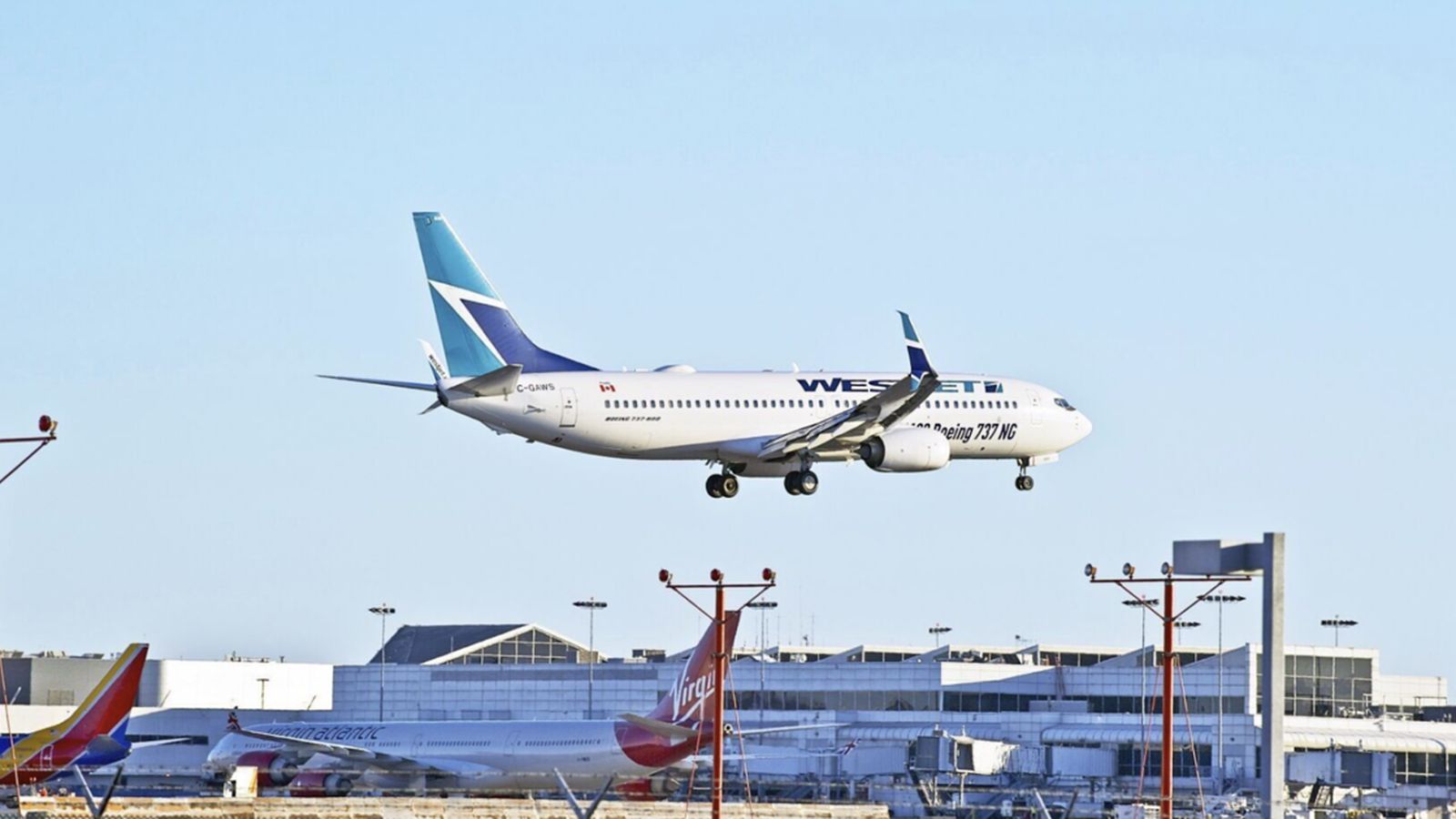
Travelers navigating the current aviation landscape are facing renewed uncertainty as WestJet initiates a phased reduction in flight capacity. Starting with a one percent cut in April, the airline will deepen these reductions to 5.5 percent by June, a move directly tied to the volatile geopolitical environment surrounding the ongoing Iran war. The conflict has effectively disrupted the Strait of Hormuz—a crucial chokepoint for global oil supplies—triggering a surge in jet fuel costs that now account for roughly one-fifth of airline operational expenses.
The Ripple Effect of Geopolitical Instability
The decision by WestJet to consolidate flights on lower-demand routes highlights the precarious nature of modern travel logistics. While the airline has not yet eliminated specific destinations, the consolidation strategy—coupled with new fuel surcharges on companion vouchers—places the immediate financial and logistical burden on the consumer. This volatility is not isolated; industry experts warn that the supply chain challenges, particularly regarding fuel availability in Europe and Southeast Asia, could lead to more widespread cancellations if the regional conflict remains unresolved.
Consumer Rights in an Era of Volatility
For Armenian travelers and the diaspora frequently moving between North America and international hubs, these shifts underscore the necessity of proactive travel management. When airlines adjust schedules due to external shocks, the primary concern for any liberal democratic media outlet is the preservation of consumer protections. Travelers affected by these changes are entitled to timely notification and alternative routing. It is essential for passengers to verify their rights under the specific jurisdiction of their ticketed airline, as corporate accountability must remain a priority even when carriers face unprecedented market pressures.
Navigating the Future of Air Travel
While government interventions, such as the temporary suspension of excise taxes on aviation fuel in Canada, aim to mitigate the impact on households and businesses, the long-term outlook remains tied to the stabilization of global energy markets. Until energy supply chains recover, travelers should expect continued price fluctuations and potential scheduling shifts. Maintaining flexibility in travel plans and monitoring official airline communications are the most effective tools for passengers to mitigate the risks of this ongoing disruption.