
Quick Read
- A government shutdown will begin at midnight Tuesday if no deal is reached.
- Hundreds of thousands of federal employees may be furloughed or work without pay.
- The last major shutdown in 2018-2019 cost the economy $3 billion in lost growth.
- Lawmakers have not passed any of the 12 required appropriations bills.
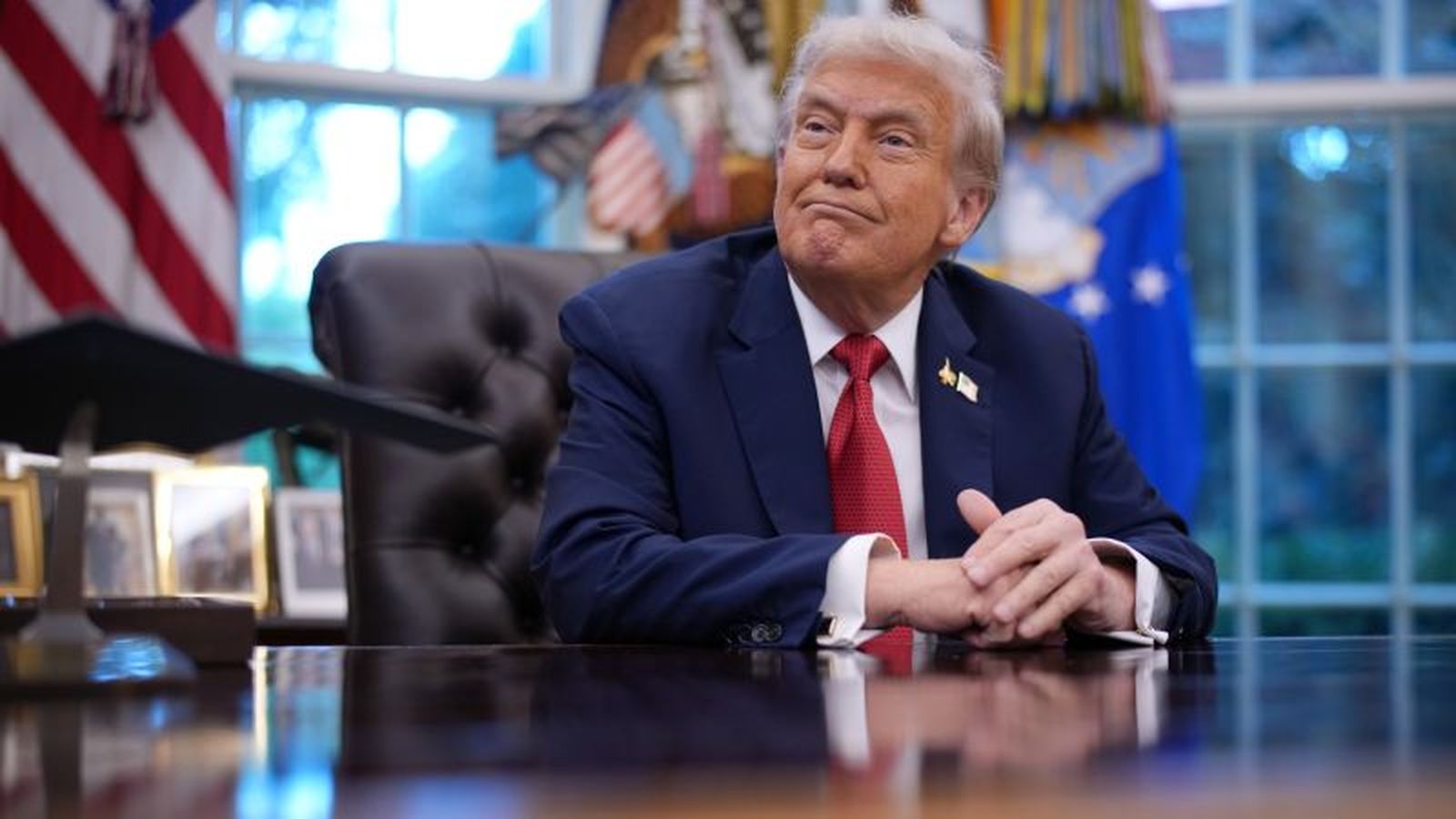
- President Trump called Democratic demands ‘totally unreasonable’ and canceled a prior meeting.
Shutdown Standoff: The Stakes and the Deadline
As September draws to a close, the halls of Congress are thick with tension. Lawmakers from both parties are scrambling to secure a deal that would keep the federal government running past midnight on Tuesday. If they fail, a full shutdown will begin when the calendar flips to October 1, shuttering agencies and sending shockwaves through the country.
The latest standoff centers around a bitter disagreement between President Donald Trump, Republican leaders, and Democrats. The core issues? Health care funding, law enforcement spending, and immigration policy. According to CNN, Trump has called Democratic demands “totally unreasonable,” and canceled an earlier sit-down with their leaders. Now, an emergency meeting is set for Monday at the White House, with the top four congressional figures—Mike Johnson, John Thune, Hakeem Jeffries, and Chuck Schumer—joining the president for what may be the last chance to avert disaster.
What Happens If the Shutdown Begins?
Every year, Congress must approve funding for federal agencies before the new fiscal year starts on October 1. When they don’t, nonessential government functions grind to a halt. Essential services—those critical for protecting lives and property—keep operating, but hundreds of thousands of federal employees face furloughs or are forced to work without pay.
During the last major shutdown in 2018-2019, the economic toll reached an estimated $3 billion in lost growth, according to the Congressional Budget Office. The ripple effects touched everything from food safety inspections to national parks and delayed tax refunds, reminding Americans just how much they depend on the machinery of government.
Political Blame and High Stakes Negotiations
Both sides are busy framing the narrative. Senate Majority Leader John Thune, in a full interview with NBC News, laid responsibility at the feet of Democrats, saying the shutdown is “totally up to the Democrats.” Meanwhile, Democratic leaders argue that the president’s last-minute tactics and hardline immigration demands have derailed negotiations.
Senate Democrats are scheduled for a strategy call as they weigh options. House Minority Leader Hakeem Jeffries and Senate Minority Leader Chuck Schumer—excluded from a previous meeting—are expected to push for compromise, focusing on maintaining funding for health care and social programs. For Republicans, the emphasis remains on law enforcement, border security, and reducing discretionary spending.
This isn’t just a budget dispute—it’s a test of political will. With the presidential election looming and public frustration rising, neither side wants to be seen as responsible for the chaos.
Ripple Effects Beyond Washington
The shutdown debate isn’t happening in a vacuum. President Trump, doubling down on his law enforcement agenda, announced plans to send troops to Portland, Oregon, to guard Immigration and Customs Enforcement (ICE) facilities. The move follows a summer of protests, some peaceful and some tense, around an ICE site at the heart of the city. Local leaders, including Senator Jeff Merkley, have pushed back, accusing the president of “inducing a reaction” and urging demonstrators not to “take the bait.”
Elsewhere, foreign policy developments are unfolding. Israeli Prime Minister Benjamin Netanyahu is set to visit the White House as the Trump administration unveils a 21-point plan to end the war in Gaza. The proposal has sparked heated debate in Israel, with far-right ministers threatening to collapse Netanyahu’s government if a ceasefire is pursued. Yet other members of his coalition and opposition leader Yair Lapid have expressed support for a hostage deal that could bring the conflict to a close.
Amidst all this, the government shutdown remains the domestic headline, with its potential to disrupt millions of lives. Federal workers face uncertainty, public programs risk interruption, and the country’s economic momentum hangs in the balance.
Looking Ahead: Can a Deal Be Struck?
With time running out, the question is whether compromise is possible. Lawmakers have yet to pass any of the 12 appropriations bills required to fund the government. If talks break down, a shutdown will begin at midnight Tuesday, with no clear timeline for resolution.
The impact will be felt far beyond Washington. Federal employees, contractors, and ordinary Americans who rely on government services will be forced to wait as leaders wrangle over funding and priorities. The stakes couldn’t be higher—for the economy, for the political climate, and for the future of governance in a deeply divided nation.
As the clock ticks, one thing is clear: the shutdown showdown is more than a budget battle. It’s a reflection of the challenges facing American democracy, where compromise is hard-won and consequences are shared by all.
Analysis: The government shutdown isn’t just a test of political brinkmanship—it’s a stark reminder of how deeply polarized Washington has become. While the immediate effects will be felt by federal workers and those dependent on public services, the broader lesson may be about the fragility of consensus in a divided era. Without genuine efforts to bridge differences, the risk of repeated crises grows, making stability the exception rather than the rule.