


Zohran Mamdani’s Police Legacy Faces a Defining Moment
When news broke in Midtown Manhattan of a deadly shooting involving an off-duty NYPD officer, Zohran Mamdani was continents away, asleep in Uganda on the tail end of his wedding celebrations. But the impact of the tragedy rippled across New York City—and into the heart of his campaign team, who were left to draft a statement that could define Mamdani’s political future.
As the hours ticked by and the gravity of the situation settled, Mamdani’s advisors found themselves locked in a debate: Should the response mirror the deep-rooted convictions that had propelled Mamdani to prominence, or should it signal a readiness to govern a city where policing is not just a slogan but a daily reality?
Internal discussions, described by those involved to CNN, reveal the tension between authenticity and pragmatism. Some aides argued for a measured, empathetic tone that acknowledged the tragedy without compromising core values. Others insisted that Mamdani’s history of calling for police defunding and abolition could not be ignored—especially now, when every word would be scrutinized by a city still reeling from violence.
From Activist to Mayor: The Challenge of Reconciling Past and Present
Mamdani’s journey to the mayoral stage is marked by a history of impassioned activism. As a State Assembly member, he didn’t shy away from criticizing law enforcement, often challenging the very foundation of policing in New York. His statements over the years, whether delivered in forums organized by the Democratic Socialists of America or broadcast on social media, painted a picture of a leader unafraid to demand structural change.
“The answer here is not reform. It is replacement,” Mamdani declared in a 2020 virtual forum, dismissing incremental changes as inadequate for a system he described as fundamentally punitive towards Black and brown communities. He called for the abolition of police, rejecting donations from law enforcement unions and characterizing their influence as rooted in systemic violence.
Yet, as Mamdani’s political ambitions grew, so did the necessity for nuance. The transition from advocate to administrator brings new responsibilities—and new scrutiny. Elizabeth Glazer, a seasoned criminal justice adviser, likened tracking Mamdani’s evolving stance to “Kremlinology,” emphasizing the need for a leader who can mediate between idealism and the practical demands of governance.
Leadership Under Fire: Responding to Tragedy While Navigating Controversy
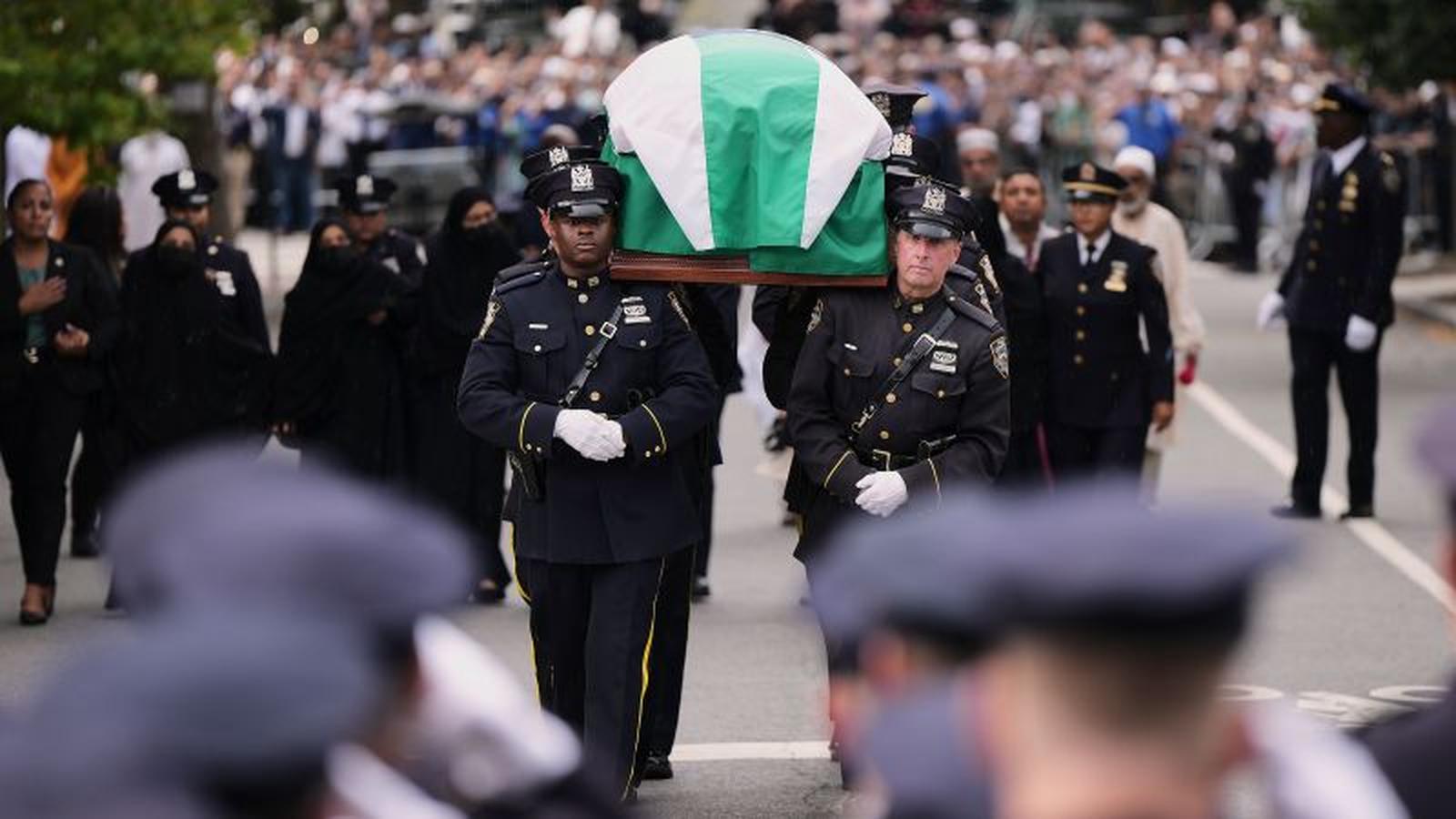
The killing of Officer Didarul Islam, an immigrant and Muslim like Mamdani himself, threw these issues into sharp relief. As campaign aides debated whether to wake their candidate or enlist high-profile figures like Bill de Blasio to craft a response, the urgency underscored the stakes: Mamdani’s leadership would be measured not only by his words, but by his ability to unite a city divided over public safety.
The statement that finally emerged was careful. Mamdani expressed condolences to Islam’s family, highlighting their shared background and the officer’s commitment to legacy and service. He pledged to listen to New Yorkers’ safety concerns and work with police to address violent crime, acknowledging that officers are overburdened and often tasked with duties beyond policing.
“I’m preparing to face this reality head on,” Mamdani said, promising a ‘whole-of-government’ approach to public safety. Notably, he asserted that safety and justice need not be mutually exclusive—a marked departure from the uncompromising rhetoric of his earlier years.
Reform, Replacement, and the Politics of Change
The shift hasn’t gone unnoticed. Mamdani’s campaign has distanced itself from previous calls for abolition, citing a different “political moment.” His website, once emblazoned with the red rose of the Democratic Socialists of America, was scrubbed and made private in the run-up to his mayoral bid. Yet, traces of his past remain accessible through the Internet Archive, where his criticisms of the NYPD as “racist” and his calls to dramatically curtail their power are still visible.
During interviews with The New York Times and CNN, Mamdani acknowledged that his language had been shaped by the intense frustration following George Floyd’s death, expressing a willingness to apologize. But when pressed for specifics, his campaign declined to elaborate on whether a formal apology had ever been issued, or what now constitutes his stance on incremental reforms.
Some fellow lawmakers, like Assemblyman Jeff Dinowitz, remain cautiously open-minded. “Some people are smart enough to know that what’s true then may not be true today,” Dinowitz noted, though he stopped short of endorsing Mamdani, suggesting that words alone may not suffice to convince a skeptical public.
A New Vision for Community Safety?
Mamdani has floated proposals for a Department of Community Safety, aiming to shift certain responsibilities away from traditional law enforcement and toward mental health and community work. While details remain vague, the idea gestures toward the original intent behind the “defund the police” movement: reallocating resources to address root causes of crime and violence.
Still, the candidate insists he no longer supports defunding the police, and his campaign is careful to highlight his commitment to both safety and justice. The challenge, as Glazer and others suggest, will be balancing the city’s diverse expectations with the realities of leadership.
Behind the scenes, Mamdani’s return to New York after the shooting was marked by logistical anxieties: aides prepared for possible harassment or detention at the airport, coordinating with state officials and establishing emergency protocols. In the end, Mamdani arrived without incident, changed into a suit mid-flight, and met with grieving families before addressing the press. He emphasized the importance of recognizing the sacrifices made by officers, reframing his image from activist to empathetic leader.
As New York approaches a pivotal election, Mamdani’s trajectory exemplifies the complex interplay between personal conviction, political necessity, and the ever-shifting landscape of public opinion. His story is a microcosm of a city grappling with its own identity—torn between calls for radical change and the need for stability.
Zohran Mamdani’s evolving stance on policing reflects both the personal journey of a candidate shaped by activism and the public demands of a city in crisis. His response to tragedy—measured, careful, and grounded in empathy—signals a pragmatic turn, yet the lingering questions about his past convictions remind voters that true leadership is tested not only by words, but by the ability to adapt and unite. As New York stands at the crossroads of reform and tradition, Mamdani’s challenge will be to bridge the divide between idealism and governance, proving that safety and justice can indeed coexist.