

Quick Read
- England won the 2025 Women’s Rugby World Cup, beating Canada 33-13 at Twickenham.
- Hannah Botterman’s dynamic play at scrum and breakdown was pivotal to England’s dominance.
- The Red Roses extended their unbeaten run to 33 matches and lifted the trophy before a record crowd of 81,885.
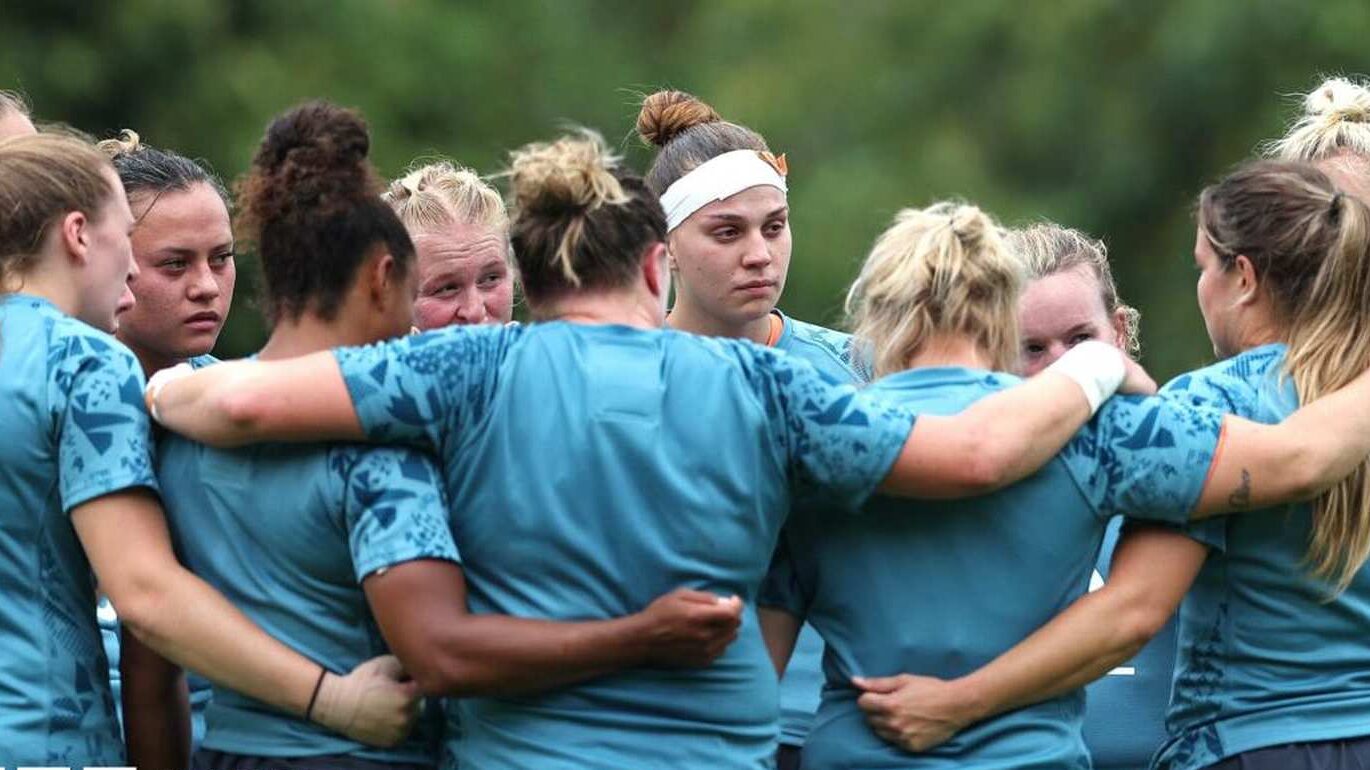
- England’s team culture, marked by rituals and unity, played a key role in their campaign.
- Canada, still semi-professional, crowdfunded much of their tournament budget.
England’s Red Roses Make History at Twickenham
On September 27th, 2025, Twickenham’s Allianz Stadium erupted as England’s Red Roses claimed their third Women’s Rugby World Cup title. In front of a record crowd of 81,885, the squad delivered a performance that will echo through the annals of the sport. For Hannah Botterman, the 26-year-old loosehead prop, this was more than a victory—it was a personal and collective redemption.
England’s journey to the final was punctuated by years of heartbreak. Since 1991, the Red Roses had made eight finals, losing six. Their last taste of glory came in 2014, and agonizing defeats to New Zealand in 2017 and 2022 still haunted the squad. But as BBC Sport and Sky Sports chronicled, this was a different team—one forged in the fires of disappointment and now, at last, united in triumph.
Botterman’s Impact: Power, Presence, and Personality
Among the stars shining brightest was Hannah Botterman. England’s forward pack dominated the tournament, and at its heart stood Botterman, a player whose dynamism and physicality set her apart. The Red Roses’ scrum became a weapon of mass disruption, driving opponents backward and securing precious penalties and territory. Botterman’s unique blend of height, strength, and agility made her a threat not just in the set-piece, but at the breakdown, where she snatched crucial turnovers.
Her absence in the quarter-final against Scotland due to a back spasm was keenly felt, but Botterman returned with force for the semi-final victory over France. As she told Sky Sports, “Happy players tend to play their best rugby. Since Mitch [coach John Mitchell] came in, he’s put that at the forefront.”
She revels in the confrontation, describing the scrum as “one of the best feelings in rugby,” an experience too visceral for words. “You don’t go into every scrum thinking you’re going to get something, but we enjoy that. These sorts of battles are where you see the best—or the worst—of people.”
Behind the Scenes: Tattoos, Camaraderie, and Rituals
England’s triumph was not just about tactics or talent—it was about culture. The Red Roses, as BBC Sport revealed, built an environment steeped in camaraderie and playful ritual. Botterman, alongside teammate Meg Jones, commemorated each match location with a new tattoo—cats for Sunderland, shoes for Northampton, ice creams for Brighton, and plans for a London Underground logo for Twickenham. These small acts became symbols of unity and shared experience.
Off the pitch, the squad bonded over Asian food nights, movie marathons, and even old-school games like Rummikub. Botterman’s role extended to pre-match playlists, setting the tone for battle. The team’s mantra, “be where our feet are,” kept focus sharp and nerves in check, reminding everyone to live in the moment, not the shadow of past losses.
Even the pressure of selection—often a divisive force—was managed through inclusion and empathy. Head coach John Mitchell encouraged maturity, and the players responded with resilience. Scrapbooks, book clubs, and gifts to visiting royalty (including a bouquet of knitted red roses for Catherine, Princess of Wales) reflected a squad intent on making memories beyond medals.
The Final: England’s Relentless Drive
Canada struck first in the final, but England’s response was emphatic. Tries from Ellie Kildunne, Amy Cokayne, and Alex Matthews gave the Red Roses a commanding halftime lead. Botterman’s influence was clear—even when sent to the sin-bin, her earlier work in the scrum and the carry had set the stage for England’s surge.
In the second half, Abbie Ward and Matthews added to the tally, and England’s defense—anchored by the likes of Meg Jones and Sadia Kabeya—held firm. As the clock ran down, the realization dawned: this was not just a win, but a statement. England had extended their record unbeaten run to 33 matches, outclassing a Canadian side that, as The Telegraph noted, still operates on a semi-professional basis and crowdfunded much of its tournament budget.
The final whistle unleashed scenes of pure joy. Captain Zoe Aldcroft lifted the trophy to thunderous applause, and Botterman, along with every member of the squad, savored a moment that felt both historic and intimate.
Legacy: Changing the Game for Good
This victory means more than another entry in the record books. As BBC Sport commentator Sara Orchard observed, England “led the women’s campaign and now they have a very shiny trophy to show for it.” Former players and coaches praised not just the result, but the process—the investment in women’s rugby, the building of culture, and the creation of new heroes like Botterman.
Botterman’s journey—from missing a crucial match through injury, to returning as a linchpin in the final—is emblematic of the Red Roses’ resilience. The team’s ability to embrace both pressure and playfulness, to find strength in unity, and to rise above past defeats, marks a turning point for the sport.
As the champagne flowed and medals were handed out, the message from inside the camp was clear: this is a new chapter. For Botterman and her teammates, the World Cup is not just a destination, but the beginning of something bigger—a future where women’s rugby commands the stage it deserves.
In the end, Hannah Botterman’s story is more than that of a world-class prop—it’s a testament to the power of character and community. England’s triumph at Twickenham stands as proof that when talent meets togetherness, history is made and the future of women’s rugby is rewritten.