


The Stakes of WWDC 2026
As the tech industry turns its gaze toward Cupertino, Apple’s upcoming Worldwide Developers’ Conference (WWDC) on June 8, 2026, represents more than a routine software update. It marks a pivotal transition period for the company, as CEO Tim Cook oversees his final developers’ conference, potentially signaling a leadership handover to John Ternus. The event is shrouded in an unusual air of mystery, centered on three core pillars: the potential unveiling of a foldable device, the long-awaited integration of advanced AI into Siri, and the foundational software shifts in iOS 27.
The Foldable Conundrum
Market analysts have long speculated on Apple’s entry into the foldable smartphone segment. With supply chain reports indicating a global memory chip shortage, the launch of the ‘iPhone Fold’ (or ‘Ultra’) faces significant logistical hurdles. However, rumors suggest that Apple may employ a ‘Jobs-era’ strategy: a sneak peek at the hardware to cement its position, even if a full commercial rollout is delayed until 2027. This move would be a strategic play to demonstrate innovation in a category where competitors have already established a presence.
The AI Renaissance: Gemini and Siri
Perhaps the most significant development is the overhaul of Siri. Having struggled to match the capabilities of models like Google Gemini or OpenAI’s ChatGPT, Apple is reportedly integrating Gemini into its voice assistant. According to The Information, Apple is focused on a hybrid model where a smaller version of Gemini runs locally on-device for privacy and speed, while more complex queries are offloaded to Google Cloud. This shift is critical for Apple, as it seeks to move past the ‘Apple Intelligence’ marketing controversies that previously led to class-action litigation.
iPhone 18 and Future Hardware
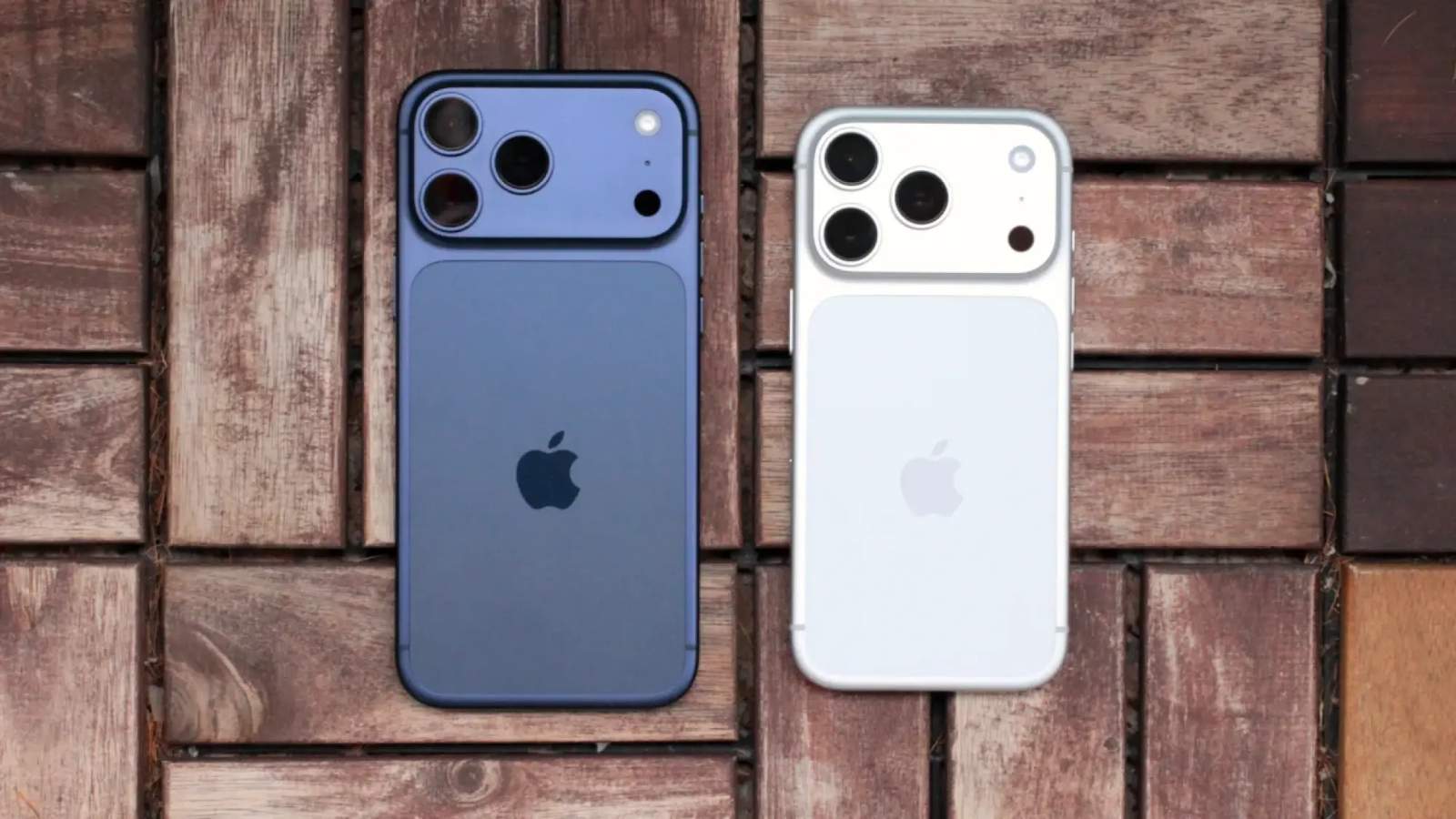
Parallel to the software announcements, the upcoming iPhone 18 lineup—expected in September—is shaping up to be a hardware evolution rather than a revolution. Reports suggest a standardized 12GB RAM across the entire range, a move to address the memory demands of AI-driven tasks. Furthermore, the introduction of variable aperture cameras in the Pro models promises to bridge the gap between mobile photography and professional-grade bokeh effects. Looking further ahead, industry analysts like Ming-Chi Kuo point to the iPhone 21 as a potential turning point for imaging, with the adoption of Chip-On-Board (COB) technology intended to solve long-standing thermal issues, enabling 200MP sensors and 8K video recording.
The trajectory of Apple’s current strategy suggests a company moving from a closed, purely proprietary ecosystem toward a more pragmatic, collaborative model. By leveraging Google’s AI infrastructure and rethinking its design philosophy following the criticism of iOS 26, Apple is attempting to balance its hallmark privacy-centric branding with the harsh realities of the modern AI arms race. The success of these initiatives will ultimately define whether the transition from Tim Cook to John Ternus marks a period of stagnation or a new era of competitive dominance.