


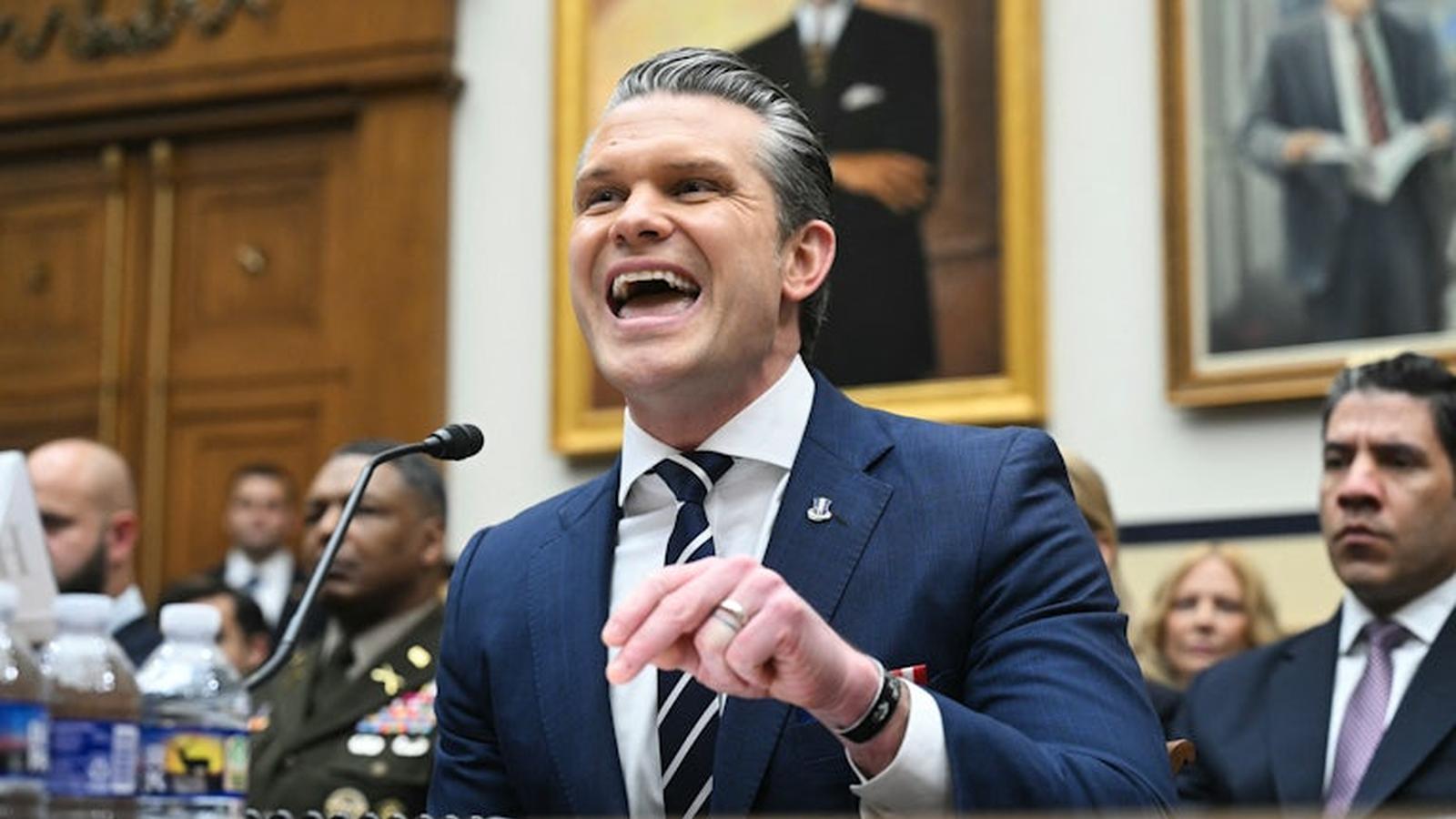
The House Armed Services Committee hearing, intended to serve as a high-stakes assessment of the ongoing war with Iran and the Pentagon’s requested $1.5 trillion budget, descended into procedural chaos on Capitol Hill. Defense Secretary Pete Hegseth, testifying alongside acting comptroller Jules Hurst III, found his policy agenda sidelined as the committee room became the stage for a bitter, personal confrontation between Republican colleagues.
Institutional Oversight vs. Partisan Infighting
The proceedings were interrupted by Representative Nancy Mace, who used her allotted time to launch a scathing attack on Representative Cory Mills. Mace’s accusations of “stolen valor” regarding Mills’ military service, paired with allegations of personal misconduct, effectively paralyzed the committee’s ability to focus on the administration’s strategic objectives. This spectacle raises significant questions about the current state of legislative oversight, as the fundamental duty of the committee to scrutinize the contentious nomination and tenure of officials was eclipsed by domestic political grievances.
The Cost of Conflict and Strategic Uncertainty
Beyond the internal volatility, the hearing provided the first official confirmation that the conflict with Iran has reached a $25 billion price tag just two months into hostilities. Hegseth, who has previously faced scrutiny regarding his past public statements on military orders, attempted to steer the conversation toward the administration’s defense priorities. However, his defense of the record-breaking $1.5 trillion budget request faced skepticism from members concerned about the long-term sustainability of the current military posture.
For international observers and regional partners, the dysfunction on display in Washington serves as a cautionary signal. Effective institutional oversight is the bedrock of a stable foreign policy; when the legislative branch fails to maintain decorum and focus, the predictability of American security commitments becomes increasingly difficult for allies to gauge. The erosion of civil discourse within the halls of power not only hampers the execution of defense policy but also undermines the democratic accountability necessary for the public to trust in the administration’s handling of global crises.
More on hegseth hearing